Key facts
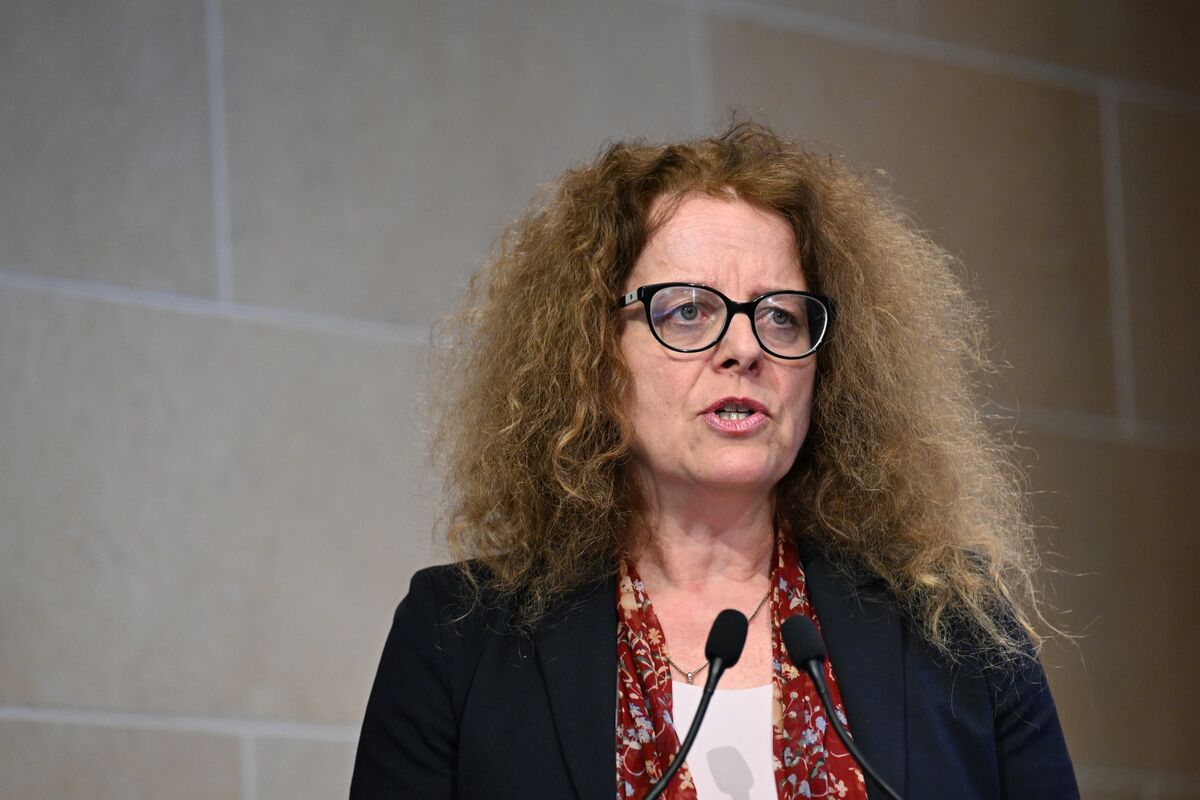
- ECB's Schnabel stated the bank can no longer overlook the inflationary impact of the Middle East conflict.
- Pipeline price pressures are increasing globally, exerting inflationary pressure.
- The risk of de-anchoring inflation expectations is rising.
- Schnabel signalled further rate hikes are coming.
- The number of rate hikes remains open-ended and dependent on future developments.
The ongoing conflict in the Middle East has led to significant disruptions in global energy markets, contributing to rising inflation worldwide. Central banks, including the ECB, are closely monitoring these developments to assess their impact on price stability and to determine appropriate monetary policy responses. The concern is that persistent inflation could lead consumers and businesses to expect higher prices in the future, creating a self-fulfilling prophecy that is difficult to control. UBS has warned that markets may be underestimating the risks associated with tightening by the European Central Bank (ECB), suggesting current market pricing does not fully reflect the potential impact of the ECB's monetary policy adjustments.