Key facts
- The Bank of Japan (BoJ) raised its policy rate to approximately 0.75%, ending an era of ultra-cheap money.
- Bitcoin rebounded approximately 2.5% to over $88,000, with U.S. equity futures also advancing.
- Traders interpreted the BoJ's move as supportive for risk assets, not a tightening shock.
- Analysts believe Japan's tightening cycle may be nearing its limit due to fiscal and political constraints.
- Stellar (XLM), Injective (INJ), and Uniswap (UNI) were among the top performers in the crypto market.
Bitcoin experienced a rebound, surpassing the $88,000 mark, as global markets reacted positively to the Bank of Japan's decision to raise interest rates for the first time in decades. The move, which lifted the policy rate to approximately 0.75%, was interpreted by traders not as a restrictive tightening measure, but as a signal that Japan's period of ultra-low interest rates is concluding and potentially supportive of risk assets.
Despite rate hikes typically posing headwinds for cryptocurrencies and equities, the market sentiment was bullish. This optimism is partly fueled by the belief that the Bank of Japan's tightening cycle is approaching its limit, especially given Japan's significant fiscal stimulus measures and political considerations that may constrain further rate increases. Former BitMEX CEO Arthur Hayes suggested the policy could be inflationary and lead to further yen depreciation, potentially benefiting assets like Bitcoin.
Research firm Temple 8 Research echoed this sentiment, noting that while the market perceives a hawkish shift, Japan faces a "political ceiling" for further rate hikes. The firm pointed to the country's recent $140 billion fiscal stimulus package as a factor making substantial rate increases untenable, as it could lead to fiscal instability due to increased government debt servicing costs. Temple 8 anticipates no further BoJ rate hikes before 2027, reinforcing expectations of continued yen weakness.
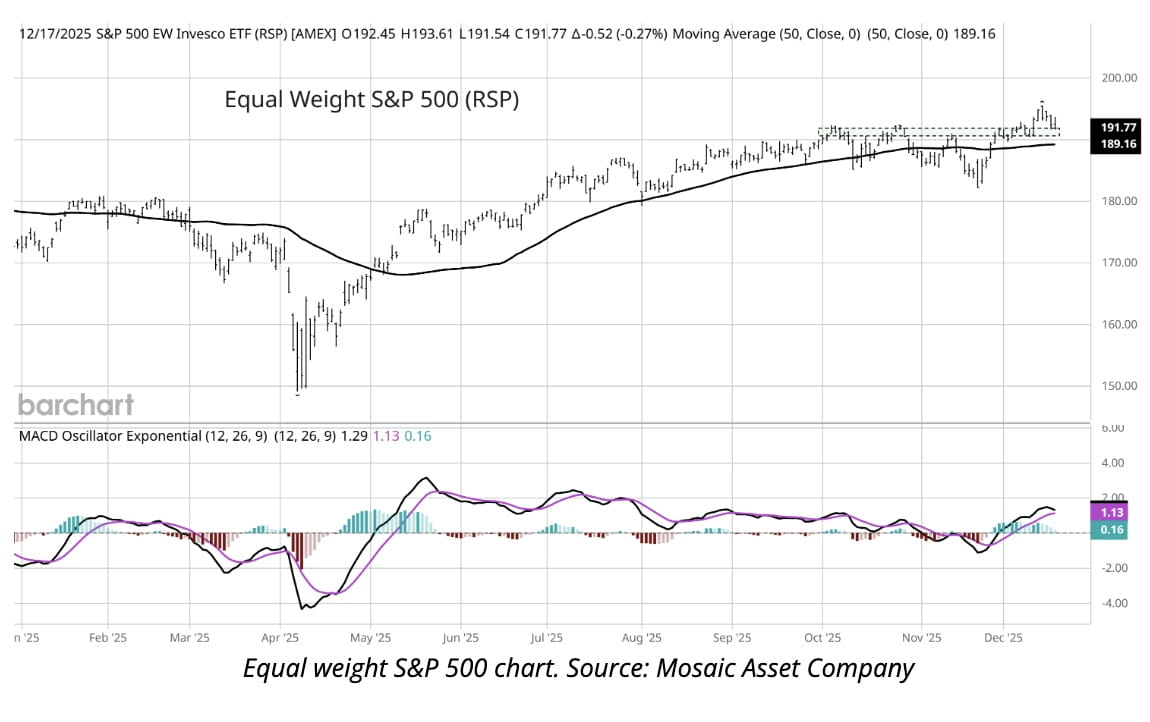
The rebound in Bitcoin coincided with gains in U.S. stock index futures, with the Nasdaq 100 futures up about 1.5%. Mosaic Asset Company indicated that improving investor sentiment and historical seasonality favor a year-end rally in equities. However, analysts caution that Bitcoin's bottoming process may not be complete. The cryptocurrency recently saw volatility, briefly falling to $84,390 after unexpectedly strong U.S. inflation data. On-chain analytics platform Checkonchain highlighted $81,000, the average cost basis for U.S. spot Bitcoin ETFs, as a critical support level.
The market's interpretation of the BoJ's move, coupled with expectations of continued global liquidity support, is helping Bitcoin stabilize. While short-term volatility persists, factors such as the weakening yen, easing global policy expectations, and ongoing institutional accumulation continue to support Bitcoin's longer-term bullish outlook. Stellar (XLM), Injective (INJ), and Uniswap (UNI) were noted as top performers among the 100 largest cryptocurrencies by market capitalization.