Key facts
- Iran agrees to allow UN nuclear inspectors back into the country.
- The agreement is part of a broader MOU between the U.S. and Iran to end the conflict in the Middle East.
- Iran's UN ambassador reported good progress in US-Iran peace talks.
- Iran denies claims it will use unfrozen assets to purchase US commodities.
- The U.S. and Iran agreed on a roadmap for a permanent deal within 60 days.
- Iran's leadership contradicted the U.S. on nuclear inspections, asset unfreezing, and sanctions relief.
- Iran is pursuing independent diplomatic engagements regarding the Strait of Hormuz and regional conflicts.
- U.S. Secretary of State Marco Rubio is visiting the UAE, Kuwait, and Bahrain to build regional support for a U.S.-Iran ceasefire deal.
- Iran has agreed to ensure free transit through the Strait of Hormuz.
- A temporary license for Iranian oil sales has been issued.
- Iran stated it will continue cooperating with the UN nuclear watchdog under existing legal frameworks.
- Technical talks with the U.S. have concluded.
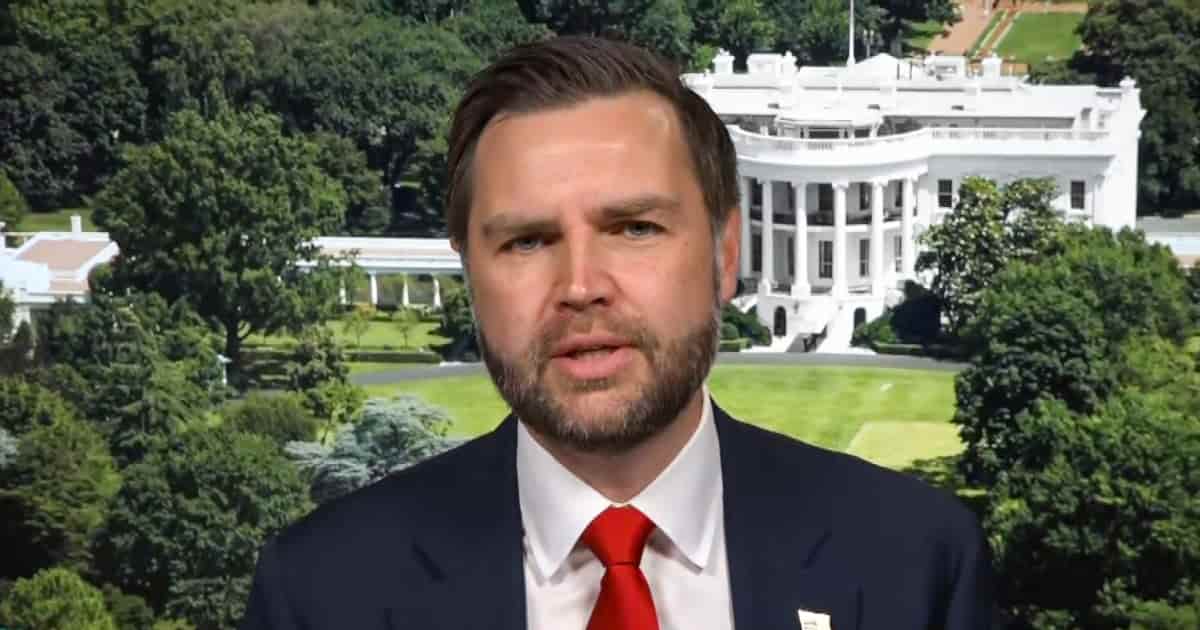
The United States and Iran report significant progress toward a peace agreement, with Iran agreeing to permit UN nuclear inspectors to re-enter the country and to guarantee free transit through the Strait of Hormuz. Vice President JD Vance described the agreement on nuclear inspectors as a major milestone in efforts to permanently end Iran's nuclear weapons program. This development is part of a broader Memorandum of Understanding between the two nations aimed at concluding the ongoing conflict in the Middle East. U.S. Treasury Secretary Scott Bessent confirmed Iran's commitment to free Hormuz transit and the return of IAEA inspectors, noting that a temporary license for Iranian oil sales has been issued.
Despite these agreements, Iran's leadership has contradicted the U.S. on several key points of the purported framework deal, including the specifics of nuclear inspections, the unfreezing of assets, and sanctions relief. Iran's UN ambassador acknowledged good progress in US-Iran peace talks but denied claims that Tehran would use unfrozen assets to purchase U.S. commodities. Simultaneously, Iran is pursuing its own diplomatic engagements concerning the Strait of Hormuz and regional conflicts, indicating a potentially divergent path. Iran has stated it will continue cooperating with the UN nuclear watchdog under existing legal frameworks, despite expressing distrust towards the U.S. Technical talks between the U.S. and Iran have concluded, and a new committee has been established for future negotiations.
U.S. Secretary of State Marco Rubio is actively engaging with wary Gulf allies, visiting the UAE, Kuwait, and Bahrain to garner regional support for a U.S.-Iran ceasefire deal. These allies have expressed concerns that any concessions made in the deal could inadvertently strengthen Tehran's regional influence. The two sides have reportedly agreed on a roadmap for a permanent deal within 60 days, though Iran's independent diplomatic efforts suggest a complex and potentially multi-faceted negotiation landscape.