Key facts
- Iran has agreed to allow UN nuclear inspectors back into the country following talks in Switzerland.
- The agreement is part of a U.S.-Iran deal to end the monthslong war in the Middle East.
- The memorandum of understanding includes U.S. help for Iran to destroy its highly enriched uranium stockpile.
- The Strait of Hormuz will be toll-free for 60 days during final deal negotiations.
- A 'de-confliction cell' will be created involving the U.S., Iran, and Lebanon to monitor military operations in Lebanon.
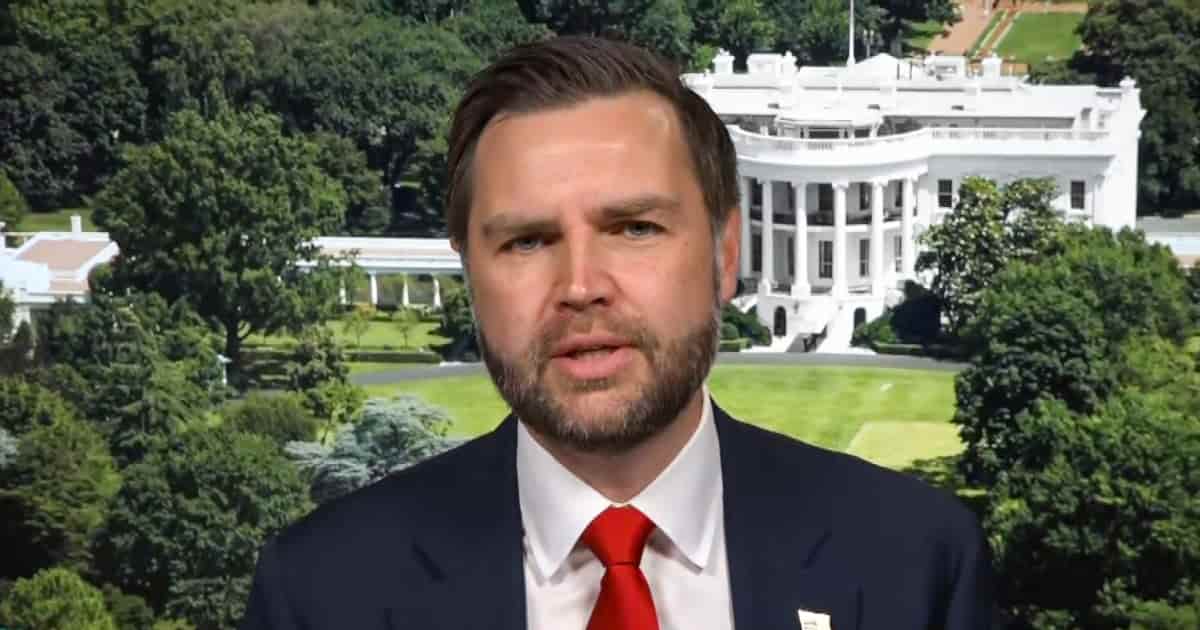
Vice President JD Vance announced Monday that Iran has agreed to allow United Nations nuclear inspectors back into the country, a development he described as a major milestone in efforts to permanently end Iran's nuclear weapons program. The agreement, part of a broader memorandum of understanding (MOU) between the U.S. and Iran to end the ongoing conflict in the Middle East, was reached after two days of talks in Switzerland.
Vance stated that a core component of the deal involves the U.S. assisting Iran in destroying its highly enriched uranium stockpile. The full text of the MOU is expected to be released following a formal signing ceremony scheduled for Friday. While Vance indicated that technical details for implementation are still being finalized, he expressed optimism that the nuclear inspections could begin quickly, contingent on Iran's compliance and its commitment to not rebuilding its nuclear weapons program.
He also addressed concerns about the Strait of Hormuz, a critical waterway for oil transport, stating that the deal ensures toll-free access for 60 days during the final negotiation period. Vance downplayed any Iranian attempts to overemphasize benefits they receive, asserting that the U.S. also gains significantly. Mediators from Pakistan and Qatar were credited with helping to broker the deal.
Iranian President Masoud Pezeshkian acknowledged the framework as an important step toward peace talks but noted that a final agreement has not yet been reached. Vance also claimed that mechanisms have been established to resolve disputes over the Strait of Hormuz and the cease-fire between Israel and Hezbollah, including the creation of a 'de-confliction cell' involving the U.S., Iran, and Lebanon. He further suggested that any unfrozen Iranian assets could be used to purchase American agricultural products, a concept he attributed to Jared Kushner and the Qataris.
Vance responded to skeptical comments from former President Barack Obama, arguing that the current situation is fundamentally different from the 2015 Joint Comprehensive Plan of Action (JCPOA), asserting that Iran's nuclear program has been 'completely destroyed' under the current administration's approach.