Key facts
- Iran has committed to ensuring "free and open" transit through the Strait of Hormuz.
- Iran has agreed to permit International Atomic Energy Agency (IAEA) inspectors to return to the country.
- The U.S. Treasury Department issued a temporary 60-day general license for Iranian oil sales.
- The commitments were made following high-level talks in Switzerland involving the U.S., Iran, and mediators.
- Vice President JD Vance described the agreement on IAEA inspections as a milestone toward ending Iran's nuclear weapons program.
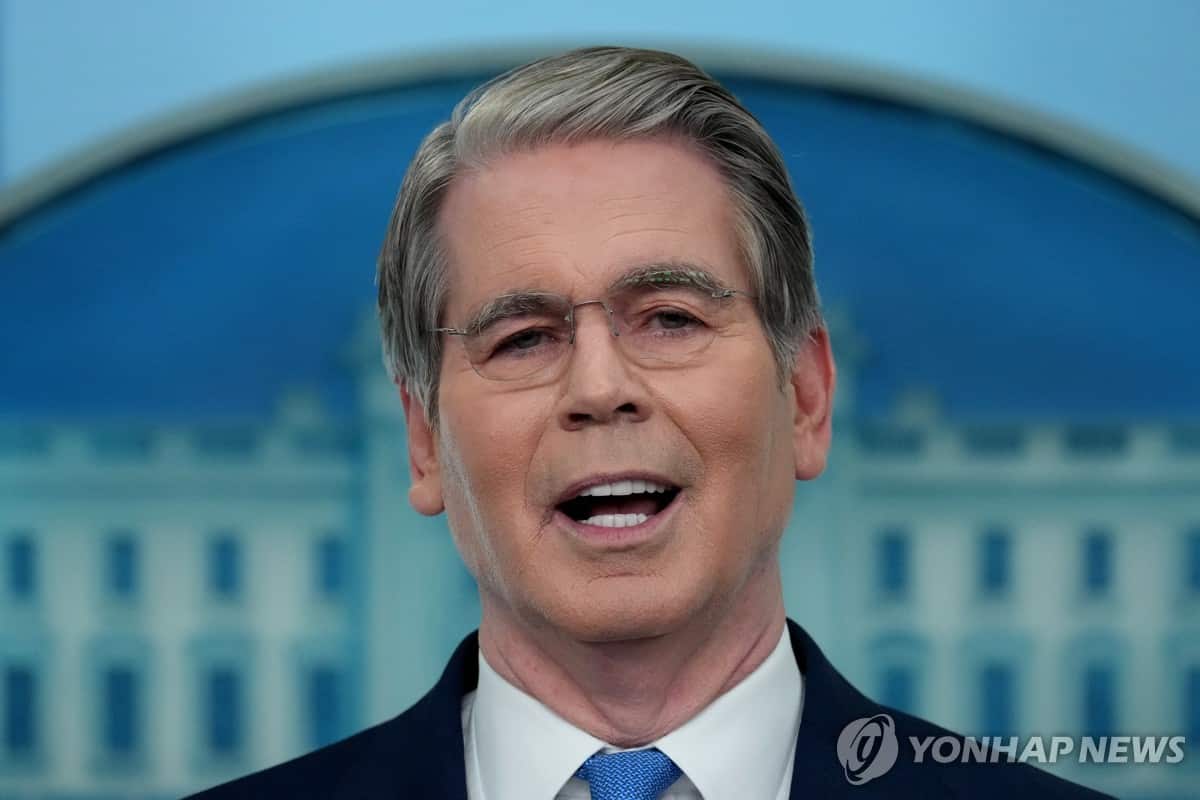
Iran has committed to allowing "free and open" transit in the crucial Strait of Hormuz and permitting International Atomic Energy Agency (IAEA) inspectors back into the country, U.S. Treasury Secretary Scott Bessent announced Monday. The commitments followed high-level talks in Switzerland over the weekend between the U.S. and Iran, with Pakistani and Qatari mediators present.
Bessent stated on social media that the Treasury Department has issued a temporary 60-day general license authorizing the production, delivery, and sale of Iranian oil as part of a peace framework. This development is being closely watched by countries like South Korea, which hope for the restoration of safe passage through the Strait of Hormuz, a vital shipping route.
Vice President JD Vance confirmed that Iranian negotiators agreed to invite IAEA inspectors back, expecting the process to begin within the week. He described this as a significant step toward permanently ending Iran's nuclear weapons program. Pakistan and Qatar jointly announced "encouraging progress" in the negotiations, including a mechanism for further technical talks, and pledged to facilitate a constructive atmosphere to reach a final deal.
Separately, Donald Trump indicated that while there would be no tolls in the Hormuz Strait for the initial 60-day ceasefire period, the U.S. might impose tolls after that if a deal is not completed, citing services rendered as a "Guardian Angel" to Middle Eastern countries.