Key facts
- A U.S. missile strike hit an Iranian primary school in Minab.
- The strike occurred more than 120 days ago.
- Mostly children were killed in the strike.
- The Trump administration has not fully accepted blame for the strike.
- Findings from a Pentagon investigation have not been released.
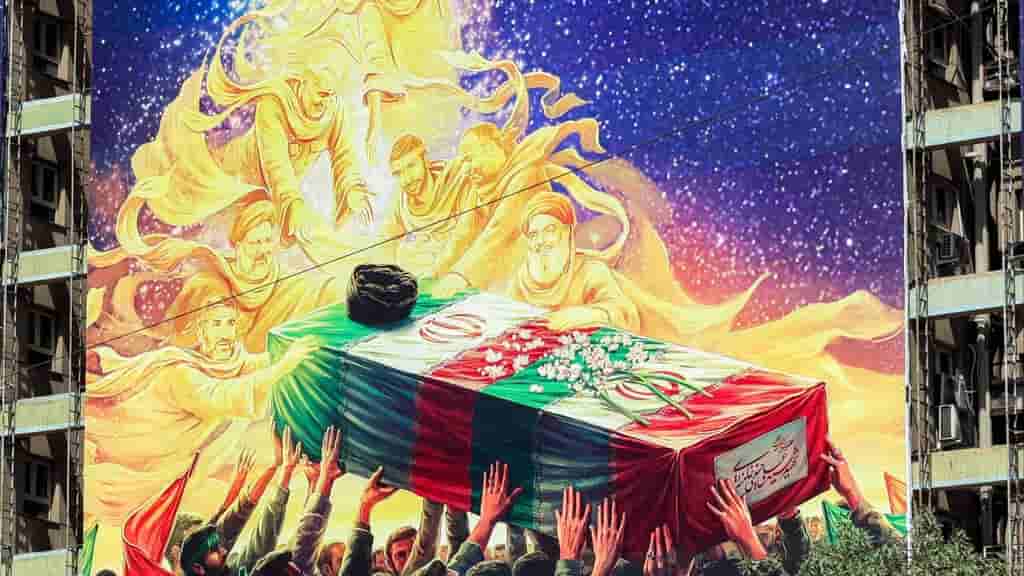
- Iran is preparing a grand funeral for its late supreme leader.
- The supreme leader was killed on the first day of the war.
- Oil prices rose.
- Iran rejected direct talks with U.S. envoys in Qatar.
- Qatar's Prime Minister mediated efforts for talks.
- U.S. crude and gasoline inventories fell last week.
More than 120 days have passed since a U.S. missile strike impacted an Iranian primary school in Minab, resulting in the deaths of mostly children. The full details surrounding this incident remain unclear, and the Trump administration has not fully accepted blame or disclosed the findings from a Pentagon investigation. This lack of transparency complicates efforts to establish accountability for the victims' families.
In parallel, Iran is making preparations for a grand funeral ceremony for its late supreme leader. This prominent religious and political figure was killed on the very first day of the ongoing war, and the nation is observing a period of mourning for his loss.
Concurrently, oil prices have seen an increase as Iran has indicated its refusal to engage in direct meetings with U.S. envoys in Qatar. These discussions were being mediated by Qatar's Prime Minister. This development occurred alongside a decrease in U.S. crude and gasoline inventories recorded last week.