Key facts
- Iran is preparing for mass funeral rites for Supreme Leader Ayatollah Ali Khamenei.
- Ayatollah Ali Khamenei was reportedly killed in U.S. and Israeli strikes.
- Millions are expected to attend Khamenei's funeral in Tehran.
- High military alert is in place in Iran.
- Calls for vengeance have been issued.
- Millions attended the funeral of Ayatollah Ruhollah Khomeini, causing chaos and injuries.
- Ayatollah Ruhollah Khomeini's burial was postponed due to funeral chaos.
- Iran's military renewed threats over the Strait of Hormuz.
- U.S. and Iranian negotiators concluded indirect talks in Doha.
- Mediators reported cautious progress on a memorandum of understanding.
- Discussions in Doha included frozen assets and establishing a communications channel.
- Iran's Revolutionary Guards claimed to have killed five Kurdish militants.
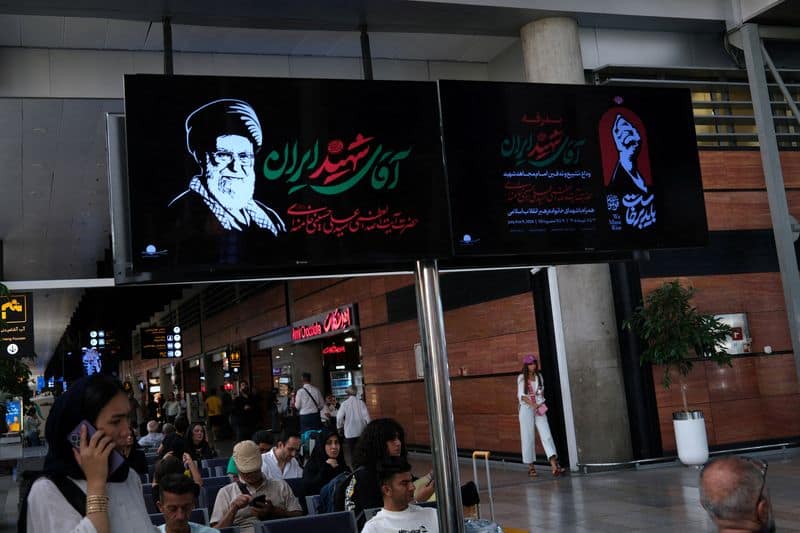
Iran is reportedly preparing for mass funeral rites for Supreme Leader Ayatollah Ali Khamenei, who was allegedly killed in U.S. and Israeli strikes. Millions of mourners are expected to converge in Tehran for the ceremonies, prompting a high military alert across the nation and widespread calls for vengeance. The scale of the expected attendance is being compared to the funeral of Ayatollah Ruhollah Khomeini, which saw millions of Iranians attend, resulting in extreme chaos, numerous injuries, and a postponed burial. That event was noted as the largest percentage of a population to ever attend a funeral.
In parallel developments, Iran's military has renewed threats concerning the Strait of Hormuz. This comes as U.S. and Iranian negotiators concluded indirect talks in Doha, with mediators reporting cautious progress toward a memorandum of understanding. Discussions reportedly included the release of frozen assets and the establishment of a communications channel to address alleged violations. In a separate incident, Iran's Revolutionary Guards claimed responsibility for killing five Kurdish militants in northwest Iran. However, a Kurdish opposition group stated that six of its fighters were killed in clashes with the Guards near the Iraqi border on Wednesday night.
The context of these events includes ongoing geopolitical tensions in the region, particularly concerning Iran's nuclear program and its regional influence. The Strait of Hormuz remains a critical chokepoint for global oil transport, and threats to its security have significant international implications. The indirect talks in Doha suggest a continued, albeit cautious, diplomatic engagement between the U.S. and Iran, likely aimed at de-escalating tensions and addressing specific grievances such as frozen assets. The internal security situation in Iran, highlighted by the clashes with Kurdish fighters, also remains a point of concern, reflecting ongoing ethnic and political unrest in border regions.
Future developments may include the formalization of any agreement reached in Doha, the response to Iran's calls for vengeance following Khamenei's alleged death, and the ongoing security situation along the Iraq border. The scale and nature of the funeral rites for Ayatollah Khamenei will likely be closely watched for indications of national sentiment and the regime's stability.