Key facts
- Young doctors in Gaza are unable to pursue specialized training due to the ongoing conflict, closed crossings, and destroyed infrastructure.
- Junior doctors are working long shifts and treating mass casualties without formal specialization.
Young doctors in Gaza face career stagnation due to the ongoing conflict, with closed crossings and destroyed infrastructure preventing specialized training. This risks a severe shortage of medical specialists needed to rebuild the territory's healthcare system.
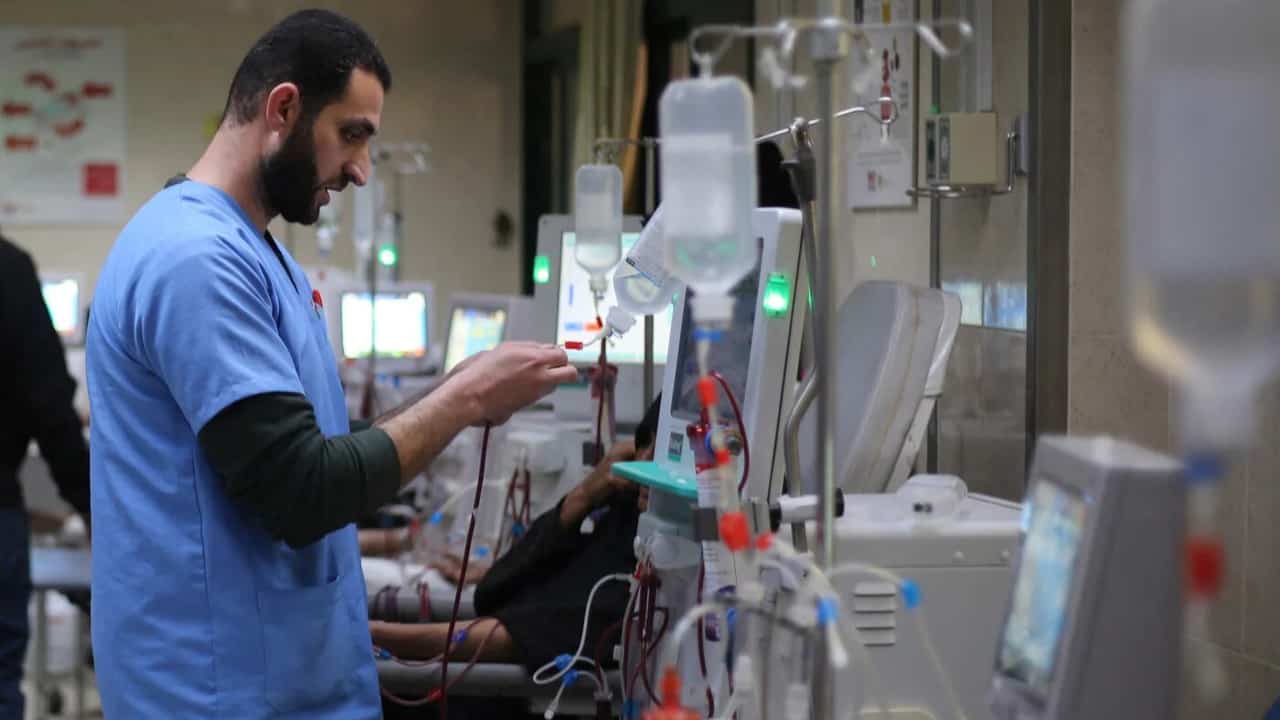
The career stagnation of young doctors in Gaza due to the conflict poses a significant long-term threat to the territory's healthcare infrastructure, potentially leading to a critical shortage of specialists needed for reconstruction and ongoing medical care.
The ongoing conflict in Gaza has created a generation of young doctors whose professional development has been halted, jeopardizing the future of the territory's healthcare system. Junior doctors like Ahmed Shabat, who should be in residency programs mastering specialties, are instead working 12-hour volunteer shifts, managing mass casualties with limited resources and no clear path forward.
Even before the current conflict, medical training in Gaza faced constraints. However, the war has virtually eliminated opportunities for advanced specialization, as crossings are closed and hospitals struggle for survival. While local initiatives like those by the Samir Foundation offer some training, they cannot replace the years of clinical experience and supervision required for specialization.
This stagnation represents a profound crisis, as the continuity of medical knowledge is broken. The long-term impact will be a severe shortage of specialists, such as neurosurgeons and oncologists, who were meant to be trained during these formative years. Young doctors express feelings of lost time and a "death of their passion and professional future."