Key facts
- Mexican activists are calling for the termination of a water cooperation agreement between Chihuahua and Israel.
- The agreement, signed in February 2023, allegedly violates Mexican law by not being registered with federal authorities.
- The Chihuahua government maintains the pact is for technical cooperation and technology exchange.
- Protests are planned nationwide on August 1, linking water resource concerns with opposition to Israeli actions in Gaza.
- Activists claim the agreement benefits private Israeli companies and promotes unsustainable water use.
Mexican activists are urging the government to cancel water cooperation agreements with Israel, citing concerns over national sovereignty and water resource management. Protests are scheduled for August 1 across at least 14 states, with participants including civil organizations, environmentalists, and Palestine-solidarity collectives.
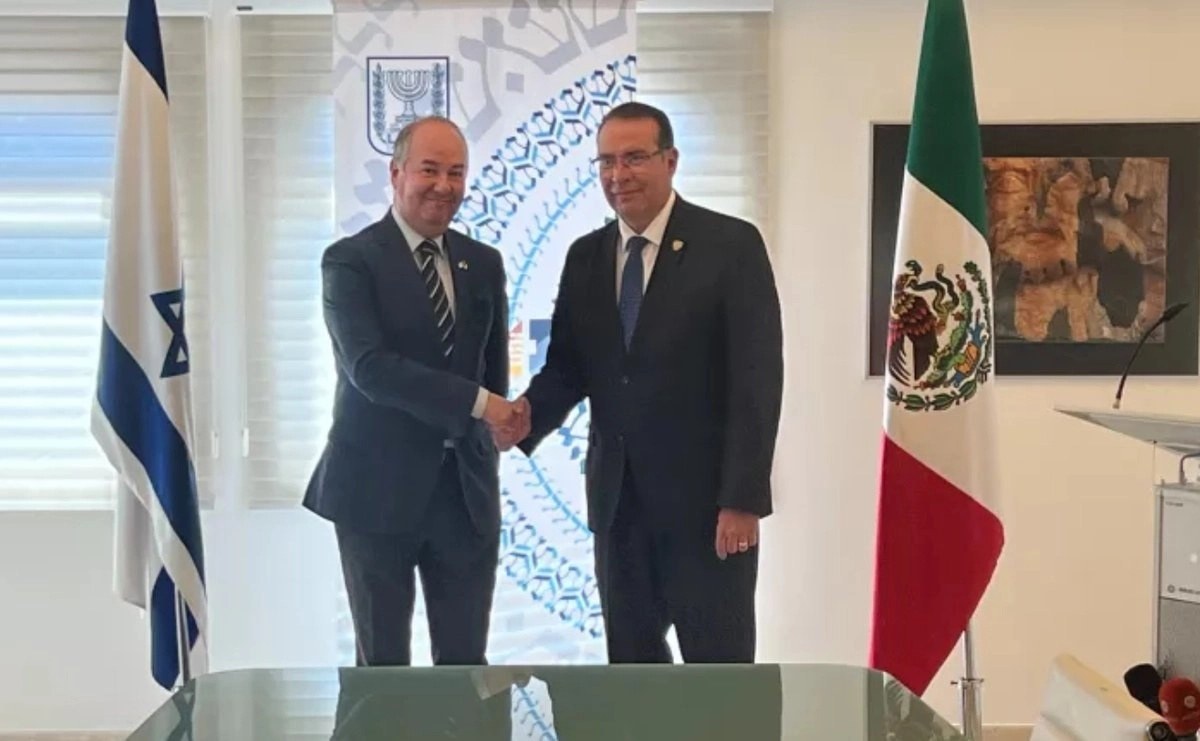
The core of the protest centers on a water cooperation agreement signed on February 23, 2023, between Chihuahua's Central Water and Sanitation Board (JCAS) and Israel’s Ministry of Foreign Affairs, which is set to expire in 2027. Activists from collectives like Salvemos los Cerros allege that the agreement was never registered with Mexico's Ministry of Foreign Affairs (SRE) or the Mexican Agency for International Development Cooperation (Amexcid), which they claim violates the Law on the Conclusion of Treaties.
These groups argue that the pact benefits private Israeli companies and promotes an extractive, unsustainable model of water use, potentially exacerbating water stress in the region. They are demanding transparency, cancellation of the agreement, and sanctions against officials involved.
Conversely, the Chihuahua government, led by Governor María Eugenia Campos Galván, maintains that the agreement is purely for technical cooperation, focused on exchanging knowledge and technologies for water system design, construction, and maintenance, particularly in crisis situations. JCAS Director Mario Mata Carrasco has dismissed the criticisms as "ridiculous" and "laughable," asserting that the plan is legal, does not grant rights or concessions, and is solely aimed at acquiring proven Israeli technology for water management, without any political or military implications.
Some activists are also linking their opposition to the water agreement with broader protests against Israel's actions in Gaza and the West Bank.