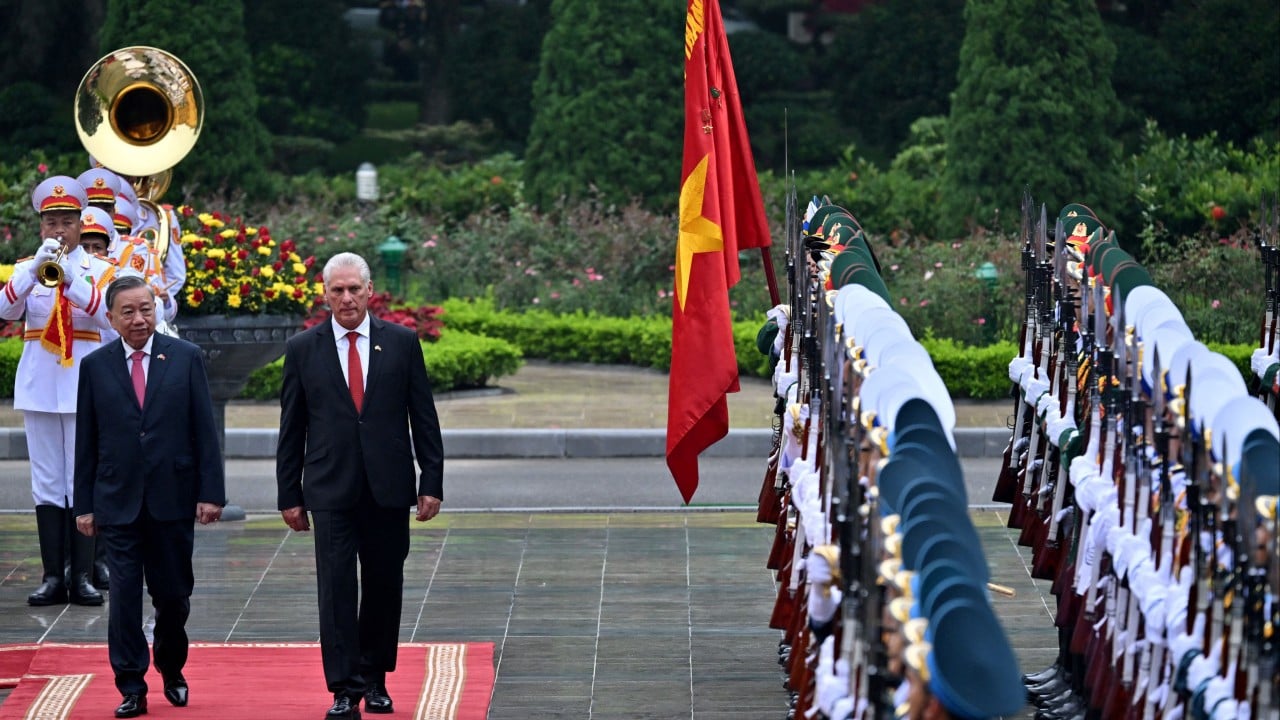
The Trump administration's actions, including the indictment of former Cuban president Raul Castro and sanctions on his successor Miguel Diaz-Canel, signal a potential U.S. policy shift towards regime change in Havana. This development exacerbates Cuba's existing economic crisis, which has been intensified by the collapse of Venezuelan President Nicolas Maduro's regime, cutting off a crucial subsidized oil supply. For Vietnam, a long-standing ally of Cuba for six decades, this situation presents a significant foreign policy challenge. The historical bond between Hanoi and Havana is rooted in shared anti-imperialist struggles, ideological alignment, and mutual camaraderie. Historically, supporting Cuba incurred minimal costs for Vietnam, involving symbolic gestures like UN votes or rice shipments. However, the current existential crisis in Cuba and increased U.S. pressure create a dilemma for Vietnam: how to uphold its commitment to a comrade without jeopardizing the critical partnership it has carefully cultivated with Washington.