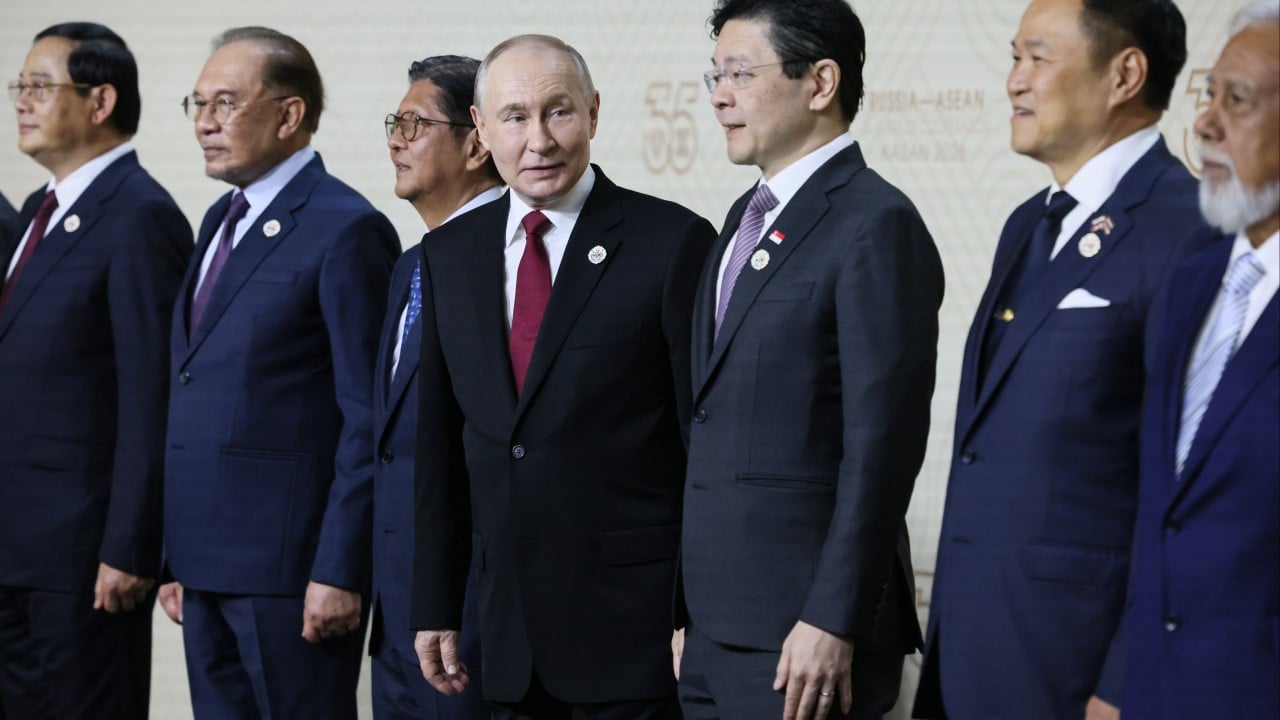
Russia is actively seeking to enhance its influence in Southeast Asia by presenting itself as a reliable energy partner, a strategy highlighted at the Asean-Russia Commemorative Summit in Kazan. Amidst regional energy supply uncertainties and the intensifying rivalry between the United States and China, Moscow is positioning itself as a "third power" option for ASEAN nations aiming to diversify their energy sources and maintain diplomatic flexibility.
At the summit, Russian leader Vladimir Putin met with regional counterparts, and both sides committed to strengthening political and economic ties. Several bilateral energy-related agreements were also finalized. Laos signed a framework for cooperation in the peaceful use of nuclear energy, which includes exploring the development of a Russian-designed nuclear power plant as the country targets net-zero emissions by 2050.
Malaysia received assurances from Russia regarding petrol, oil, and gas supplies, with preparations underway for a long-term agreement. Furthermore, Alexey Likhachev, director general of Rosatom, confirmed Indonesia's strong interest in nuclear technologies, particularly for the development of floating nuclear power plants.
What Happens Next
01Russia and Malaysia to establish a long-term petrol, oil, and gas supply agreement.
02Further exploration of Russian-designed nuclear power plant projects in Laos.
03Indonesia to continue discussions with Rosatom regarding floating nuclear power plants.