Key facts
- World Bank estimates $19.6 billion in direct physical damage from Venezuela earthquakes.
- Residential buildings accounted for 47% of the estimated damage.
- La Guaira state and Distrito Capital bore approximately half of the total impact.
- Reconstruction could take over 10 years without significant investment.
- Seven affected states house 11.5 million people and hold nearly half of Venezuela's exposed building and infrastructure stock.
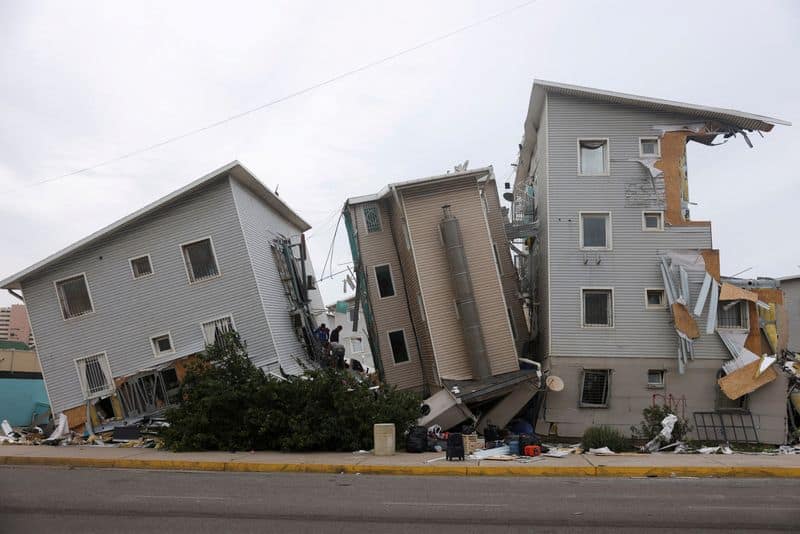
A World Bank Group report estimates that earthquakes in Venezuela on June 24 caused approximately $19.6 billion (€17.2 billion) in direct physical damage, presenting a significant challenge for the country's recovery and rebuilding efforts. The Global Rapid Damage Estimation (GRADE) assessment, published on Thursday, aims to provide the Venezuelan government and its partners with an early understanding of the scale of reconstruction needed. According to the report, 47% of the total damage was to residential buildings, 27% to infrastructure, and 26% to non-residential buildings. The states of La Guaira and Distrito Capital bore the brunt of the impact, accounting for about half of the total damage. Susana Cordeiro Guerra, World Bank Vice President for Latin America and the Caribbean, stated that the assessment provides an objective foundation for recovery planning, and the World Bank is committed to supporting the effort. The report also highlighted that without prioritized and rapid reconstruction, the process could take over 10 years and have considerable negative effects on economic activity. The GRADE methodology utilizes satellite imagery, exposure data, remote sensing, and engineering models. For Venezuela, it combined earthquake damage modeling, catastrophe risk modeling, and an assessment of capital stock value across different sectors. Historic and scientific data, including ground motion, structural vulnerability, build environment information, and population data, were also incorporated, alongside reported damage information from various sources. The assessment further emphasized the importance of considering household vulnerability during rebuilding, including factors like age, income, and housing quality. The seven most affected states, home to around 11.5 million people, hold nearly half of Venezuela’s exposed building and infrastructure stock, valued at approximately $657 billion (€576.8 billion). The report suggests that restoring basic services like water and electricity would be particularly beneficial to vulnerable communities, as service disruptions can have outsized consequences and deepen existing inequalities.