Key facts
- Israel sent a delegation to Venezuela to provide aid following a major earthquake in June 2026.
- The Israeli delegation's efforts were heavily promoted on social media.
- Venezuelan officials expressed gratitude, marking a significant diplomatic engagement between the two countries.
- Analysts view the aid as a propaganda effort by Israel to improve its international image amidst criticism over its actions in Gaza.
- Venezuela's apparent shift towards Israel is seen as a political move to improve relations with the United States.
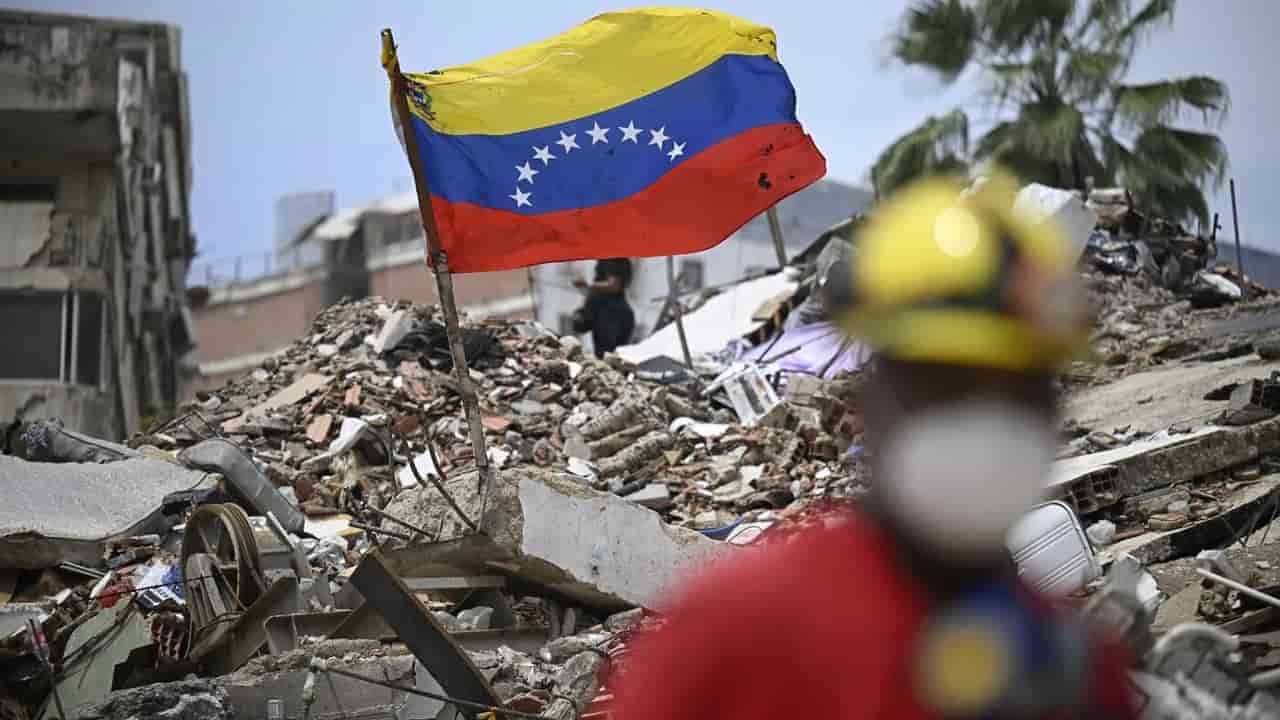
Following a devastating twin earthquake in Venezuela on June 24, 2026, which destroyed a significant portion of buildings and caused thousands of casualties, Israel dispatched a delegation from its Foreign Ministry and military to provide humanitarian aid. Led by Yoed Magen, Israel’s ambassador-designate to Mexico, and including Brigadier General Elad Edri, the delegation's rescue efforts were actively promoted on social media. This engagement represents the first official interaction between Venezuela and Israel since diplomatic ties were severed in 2009.
Analysts, such as Tariq Kenney-Shawa from Al-Shabaka, view Israel's humanitarian gestures as strategic moves to counter its growing international isolation, particularly in light of the extensive destruction and high death toll in Gaza. Kenney-Shawa described these actions as "gestures" rather than substantive policy shifts.
Venezuelan officials, including acting president Delcy Rodriguez and Foreign Minister Yvan Gil, publicly thanked Israel for its specialized assistance. Rodriguez even requested the delegation's presence be extended, leading to the deployment of additional Israeli forces. This marks a notable shift from Venezuela's previously anti-Israel stance, which had been consistent with the ruling party's position for years.
Political analyst Carlos Eduardo Pina suggests that Venezuela's current government is making a political calculation to improve its standing with the United States. He notes that Venezuela's past ties to groups like Hezbollah and Iran have drawn criticism from US politicians, and distancing itself from these associations while forging a connection with Israel could be a strategy to mitigate US pressure. Pina indicated that this rapprochement has been developing over several months and is a gradual process to avoid alienating the government's political base.
Experts also highlighted the historical use of disaster response by Israel as a public relations tool. Examples cited include the 1953 earthquake in Greece and the 2010 earthquake in Haiti, where Israeli aid efforts were accompanied by significant media promotion. Non-governmental groups like IsraAID and Zaka have also been active in Venezuela, working under an Israeli-led "Humanitarian Coalition."
Ricardo Vaz, lead editor at Venezuelanalysis, commented that natural disasters present "great PR opportunities" where humanitarian aid can be leveraged for positive media coverage. Kenney-Shawa added that Israel significantly increases its spending on social media propaganda, recognizing a decline in support, especially among younger demographics. The article contrasts the images of Israeli soldiers aiding in Venezuela with the destruction caused by Israeli actions in Gaza, suggesting a deliberate manipulation of public perception.