Key facts
- Over two-thirds of Gazans may face acute hunger by year-end, according to the Integrated Food Security Phase Classification (IPC).
- Current acute hunger levels affect 59% of Gaza's population, a figure projected to rise to 67% by December.
- Humanitarian agencies are cutting aid flows due to funding shortages and access uncertainties.
- Despite previous improvements in malnutrition, the IPC warns these gains are at risk of reversal.
- Israel has rejected the IPC's findings and denies policies of starvation, while COGAT called the report biased.
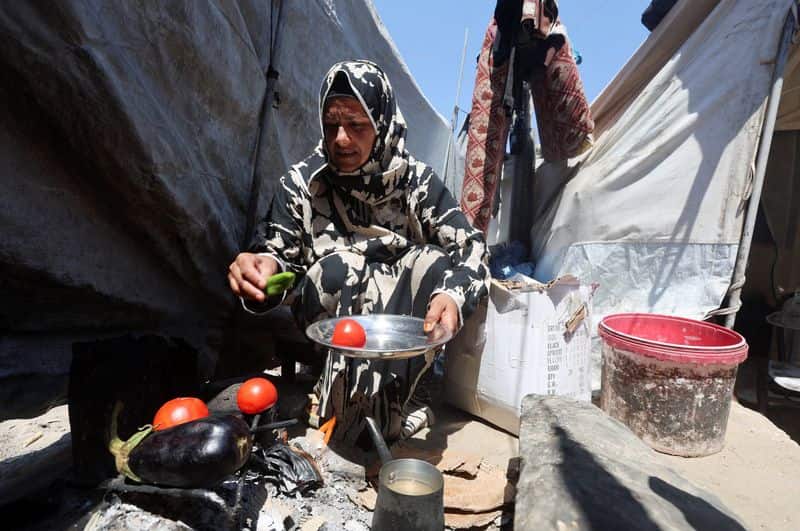
More than two-thirds of Gaza's population could face acute hunger by the end of the year, according to a new assessment by the Integrated Food Security Phase Classification (IPC), a global hunger monitor. This projection comes amid concerns over declining aid flows due to funding shortages and access issues.
The IPC's latest findings indicate that while acute malnutrition levels, particularly among children, had significantly declined following increased food supplies after the October 2025 ceasefire, these gains are now at risk of reversal. The report highlights that food consumption remains inadequate for most families, with some resorting to begging and scavenging.
Between mid-April and the end of June, approximately 59% of Gaza's population, or over 1.2 million people, faced acute hunger, defined as crisis-level or worse. This includes around 212,000 individuals in emergency conditions. The IPC forecasts this number could increase to over 1.4 million people, representing 67% of the population, by December.
Following two years of war and widespread displacement, the majority of Gazans are dependent on aid supplies. The IPC had previously noted a reversal of famine conditions in parts of Gaza in December, but now warns that these improvements are threatened by a reduction in the scale of assistance.
Supplementary feeding programs for pregnant and breastfeeding women have seen their reach halved from January to May this year. Further reductions in aid are anticipated due to funding shortfalls and uncertainty regarding aid groups' access.
Israel has rejected the IPC's August findings and consistently denies allegations of pursuing a policy of starvation in Gaza, while acknowledging a food shortage at the time. The Israeli government has stated that sufficient aid was permitted into the enclave during the conflict.
COGAT, the Israeli military body responsible for aid coordination into Gaza, dismissed the IPC report as biased. COGAT stated that substantial quantities of food, water, and medical supplies have entered Gaza since the ceasefire and accused Hamas of diverting and looting aid. The Israeli government did not immediately respond to a Reuters request for comment.
Aid agencies have also raised alarms about an unprecedented collapse of water and sanitation systems in Gaza.