Key facts
- Iranian drone attacks have struck at least two CIA facilities in the Gulf region, including sites in Saudi Arabia and Iraq.
- U.S. intelligence analysts are investigating the possibility that Russia provided targeting information or advanced drone technology to Iran for these attacks.
- The effectiveness and precision of the strikes, along with Russia's existing technical support for Iran, are being considered as evidence.
- A Western intelligence memo suggests Russia likely played a role in targeting regional CIA facilities.
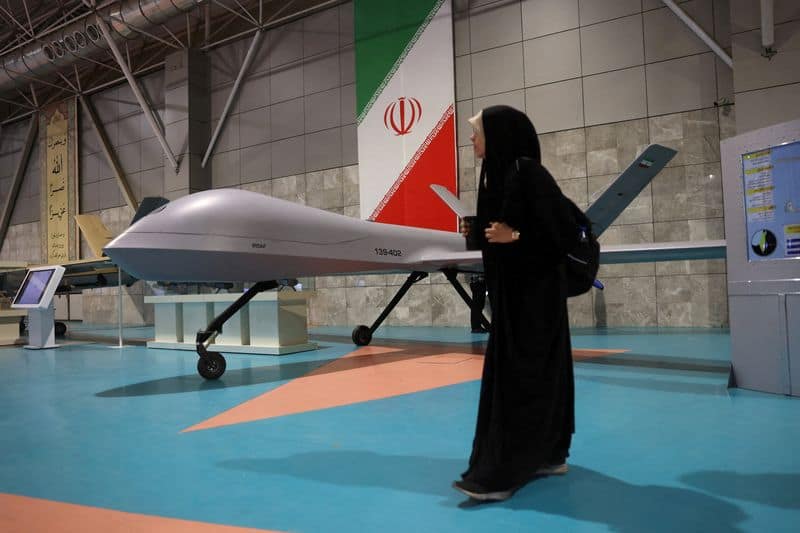
- Analysts suspect Russian-enhanced Shahed drones, possibly equipped with a Russian satellite navigation system, were used in an attack on the U.S. embassy in Riyadh.
U.S. intelligence analysts are investigating whether Russia provided targeting information or advanced drone technology for Iranian drone attacks on CIA facilities in the Gulf, according to four people familiar with the matter. These strikes, which occurred in March, hit at least two CIA sites, including the agency's station within the U.S. embassy in Riyadh, Saudi Arabia, and a separate site in eastern Iraq.
While Russia's support for Iran is longstanding, the effectiveness and apparent precision of these attacks have prompted a deeper look into Moscow's potential involvement. Analysts are examining whether Russia supplied targeting data or enhanced drone technology, such as the Kometa-M satellite navigation system, which is reportedly more accurate and harder to jam than Iranian systems. Some analysts believe few nations possess the capability and motivation to provide such sensitive targeting intelligence against the U.S.
Concerns about Russian targeting assistance intensified following recent strikes on a U.S. air base in Jordan, where Iran attacked army barracks. The White House referred comment requests to the CIA, which declined to comment. Iran's mission to the UN, the Russian Defense Ministry, and the Saudi government did not respond to requests for comment.