Key facts
- US President Donald Trump announced a peace deal with Iran is scheduled to be signed soon.
The US and Iran are reportedly close to signing a peace deal, though disagreements persist over the timeline for its execution. President Trump stated the deal could be signed as early as Sunday, with immediate reopening of the Strait of Hormuz, while Iran suggests a signing in the "coming days."
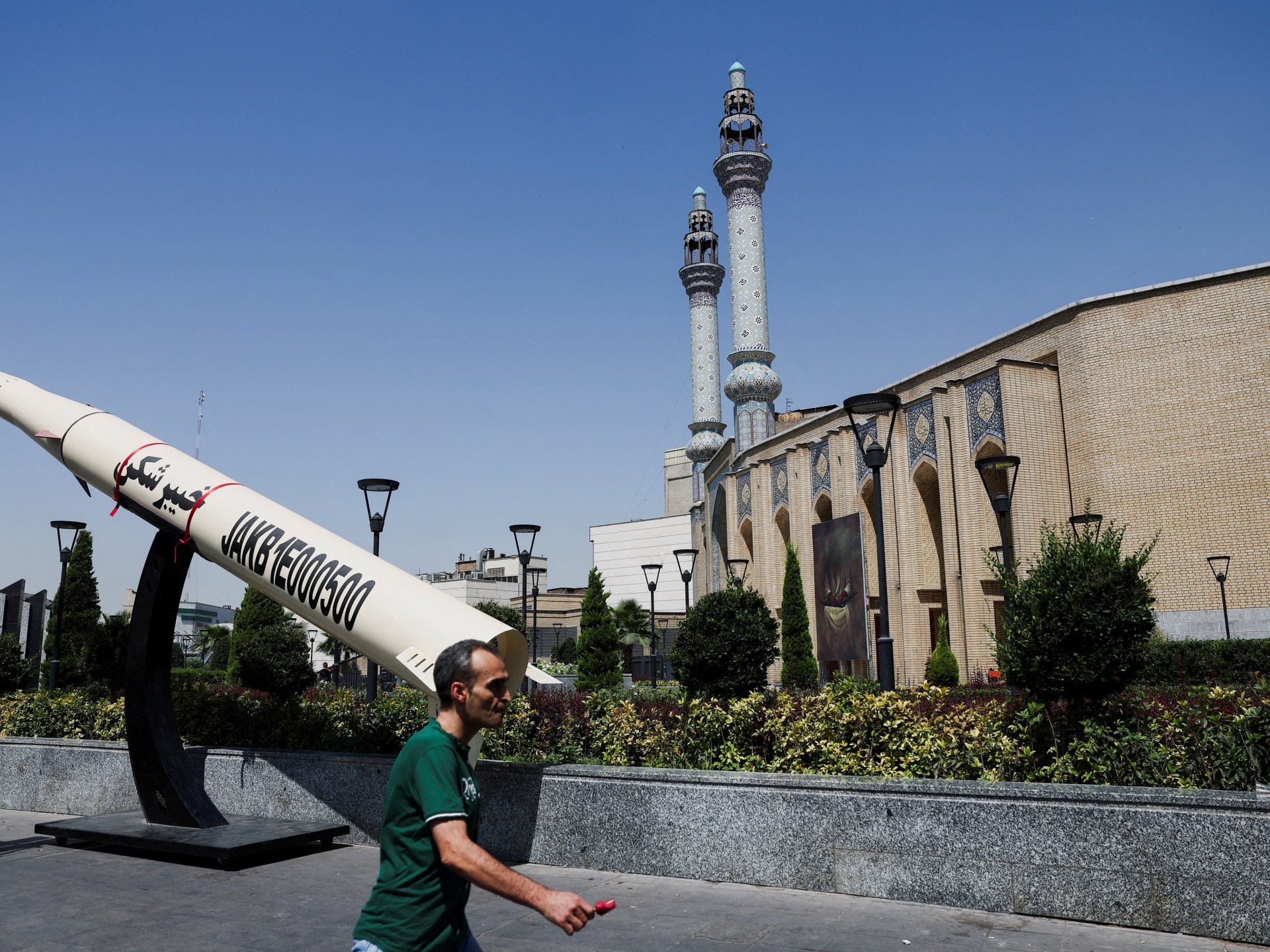
The potential US-Iran peace deal could reshape regional stability, impact global energy markets through the reopening of the Strait of Hormuz, and influence geopolitical dynamics concerning nuclear proliferation and international sanctions.
US President Donald Trump has announced that a peace deal with Iran is scheduled to be signed imminently, though the two nations differ on the precise timeline. Trump stated the deal could be signed as early as Sunday, with the Strait of Hormuz reopening immediately thereafter, and claimed the US would eventually secure and destroy Iran's nuclear material.
Iran's Foreign Minister, Abbas Araghchi, indicated that the agreement comprises 14 points, with the initial stage focusing on lifting the US blockade of Iranian ports and releasing frozen assets. He also mentioned an end to hostilities across all fronts, including Lebanon, and an agreement not to initiate war. The nuclear issue is designated for a second phase of negotiations, with Iran maintaining that its enriched uranium should be diluted domestically.
Analysts suggest Trump will likely frame any agreement preventing Iran from acquiring nuclear weapons as a significant victory, with other outcomes like reopening the Strait of Hormuz or calming markets being positive byproducts. However, there is skepticism from Iran regarding the proposed timeline, with some reports indicating a signing could occur in the "coming days."
Meanwhile, Israeli military activity continues in Lebanon, with airstrikes reported in several towns, resulting in casualties. Hezbollah has also stated it is targeting advancing Israeli soldiers. Israel's far-right Finance Minister Bezalel Smotrich has renewed calls for attacks on Beirut, emphasizing a strong response to any aggression from Hezbollah.
Separately, reports indicate that Somaliland’s president, Abdirahman Mohamed Abdullahi, is expected to make his first visit to Israel on Monday, a move seen as strategically significant for Israel in the region, particularly concerning maritime security in the Red Sea.