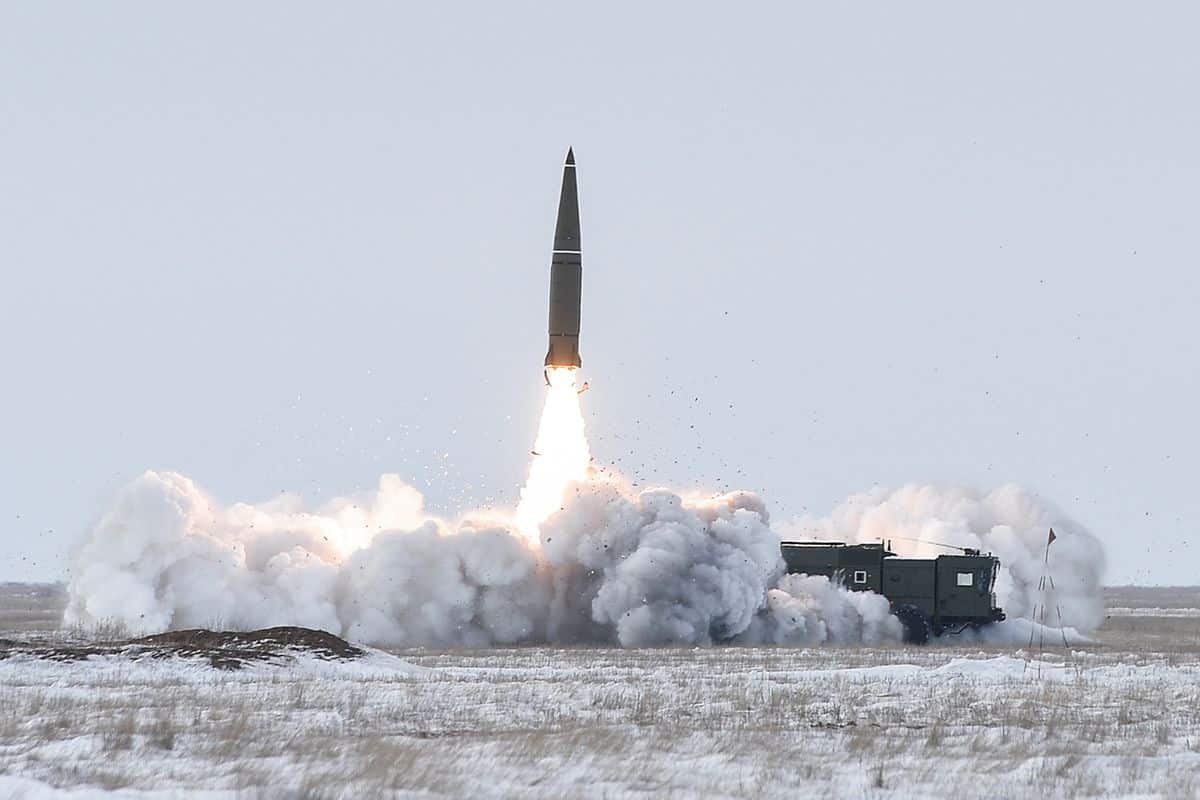
Ukraine's Air Force will no longer provide daily public figures on the number of Russian ballistic missiles launched and intercepted, a decision that has drawn criticism for potentially reducing transparency. Spokesperson Yurii Ihnat confirmed the change on August 13, explaining that the decision was influenced by negative media headlines that amplified the Air Force's perceived inability to intercept these weapons.
Ihnat stated that the daily reports, which previously included figures like '28/0' for ballistic missiles intercepted, often led to media outlets focusing on the failures rather than successes, which he believes was exploited by Russian propaganda. He assured that total monthly launch numbers would still be disclosed and that real-time warnings of incoming launches via Telegram would continue.
Critics, including Taras Yemchura from Ukraine's Better Regulation Delivery Office, argued that honesty and transparency have been key differentiators for Ukraine's armed forces compared to Russia's. Yemchura suggested that citizens understand the limitations in intercepting ballistic missiles and that open communication is vital for societal stability.
The decision comes amid Ukraine's ongoing struggle with a severe shortage of interceptors for its U.S.-provided Patriot surface-to-air missile systems, its primary defense against Russian Iskander, Kinzhal, and Zircon ballistic missiles. President Volodymyr Zelensky has emphasized that even a small fraction of U.S. interceptor stocks could significantly bolster Ukraine's defenses, particularly heading into winter. Diplomatic efforts with the U.S. for increased missile supplies and potential domestic production licenses have yielded mixed results, while Ukraine also pursues a homegrown anti-ballistic missile project called Freyja.