Key facts
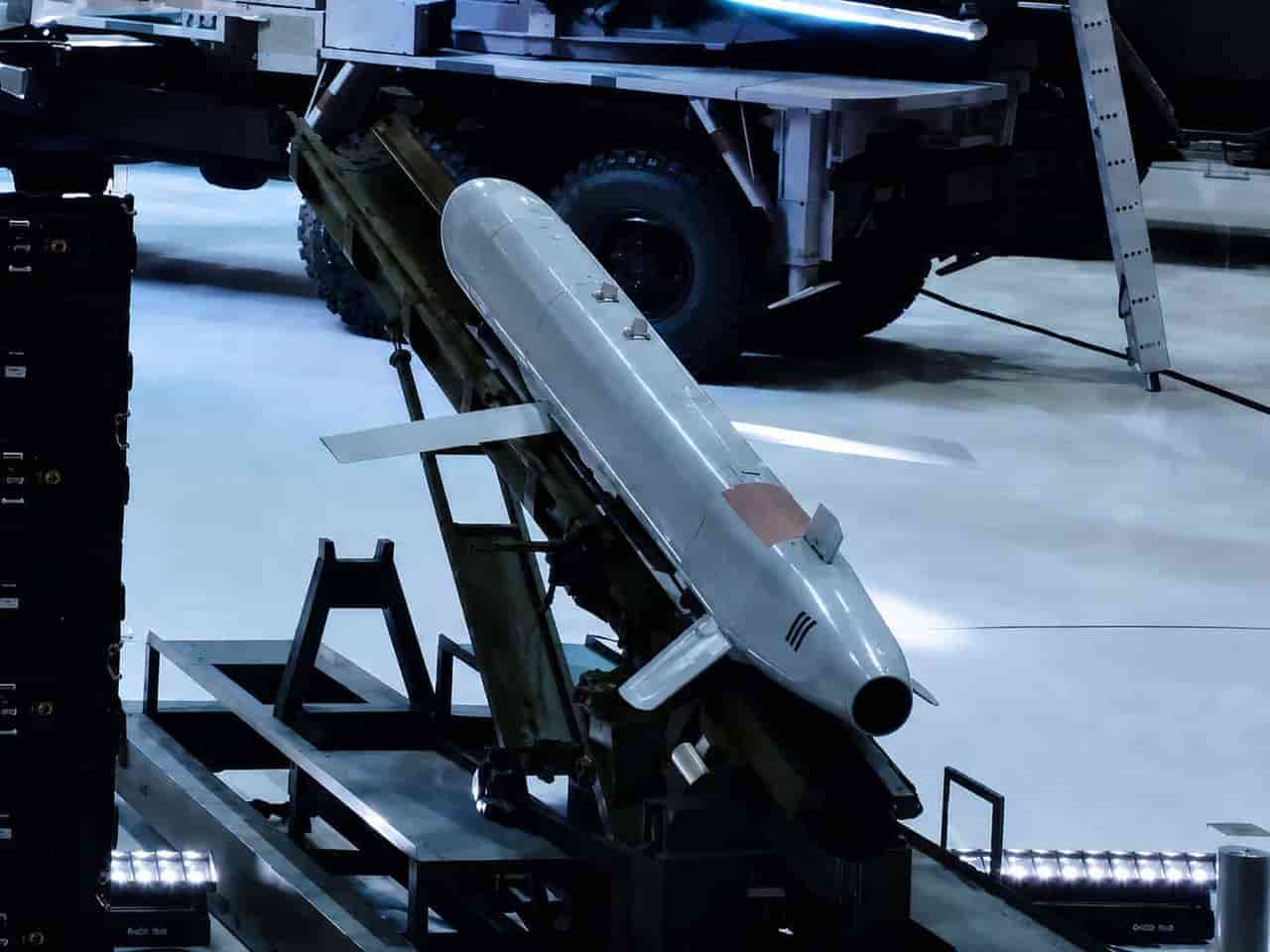
- Russia is increasingly using the Banderol loitering munition, a hybrid drone-missile weapon, in Ukraine.
- The Banderol costs significantly less to produce than Russian cruise missiles, estimated at $50,000-$150,000.
- Despite a smaller warhead, the Banderol requires similar air defense assets to intercept as cruise missiles, straining Ukraine's resources.
- The munition utilizes foreign-sourced components, including Chinese jet engines and U.S. electronic parts.
- Russia is reportedly increasing production of the Banderol, aiming for 120 units per month in 2026.
Russia has significantly increased its use of the Banderol loitering munition, a hybrid weapon combining features of a cruise missile and a jet-powered drone, against Ukraine. This weapon, first recorded in Ukraine in spring 2025, is primarily targeting southern regions, with approximately 80% of Russian attacks on Odesa's food infrastructure in June and July attributed to it. While its warhead is smaller than that of traditional cruise missiles, the Banderol requires similar, more advanced air defense systems to intercept, straining Ukraine's resources. Its estimated production cost of $50,000-$150,000 makes it considerably cheaper than Russian cruise missiles, which can cost around $800,000 to produce domestically.
The Banderol, also known as the S8000, can fly at speeds exceeding 500 km/h with a range of up to 500 kilometers, carrying a 150-kilogram fragmentation warhead. It typically flies at altitudes between 400 and 2,000 meters, descending to around 200 meters before impact, and is capable of sharp maneuvers, including U-turns. The munition relies on satellite navigation but also has an autonomous system, though it can be disrupted by electronic warfare. It is primarily launched from Orion reconnaissance drones, typically from Russian territory due to the drone's vulnerability.
Experts suggest Russia may be using the Banderol to tie up Ukraine's air defenses, which are tasked with intercepting more dangerous cruise missiles. However, the number of Banderol launches remains below that of Shahed-type drones. Russia is reportedly increasing its production of the munition, aiming for 120 units per month in 2026, with current production around 80 per month. To protect its stockpiles, Russia is also building underground storage facilities and shelters. Russia continues to refine the weapon, with notable differences observed between its 2025 and 2026 versions.