Key facts
- Wu Shicun, president of the National Institute for South China Sea Studies, anticipates escalating tensions in the South China Sea.
- He expects increased provocations from Manila and potential confrontation with Hanoi.
- Wu advocates for China to adopt a harder stance against rival claimants.
- He accused the Philippines of attempting to occupy new maritime features and expand disputes.
- The deployment of a US missile system in the Philippines was cited as a destabilizing factor.
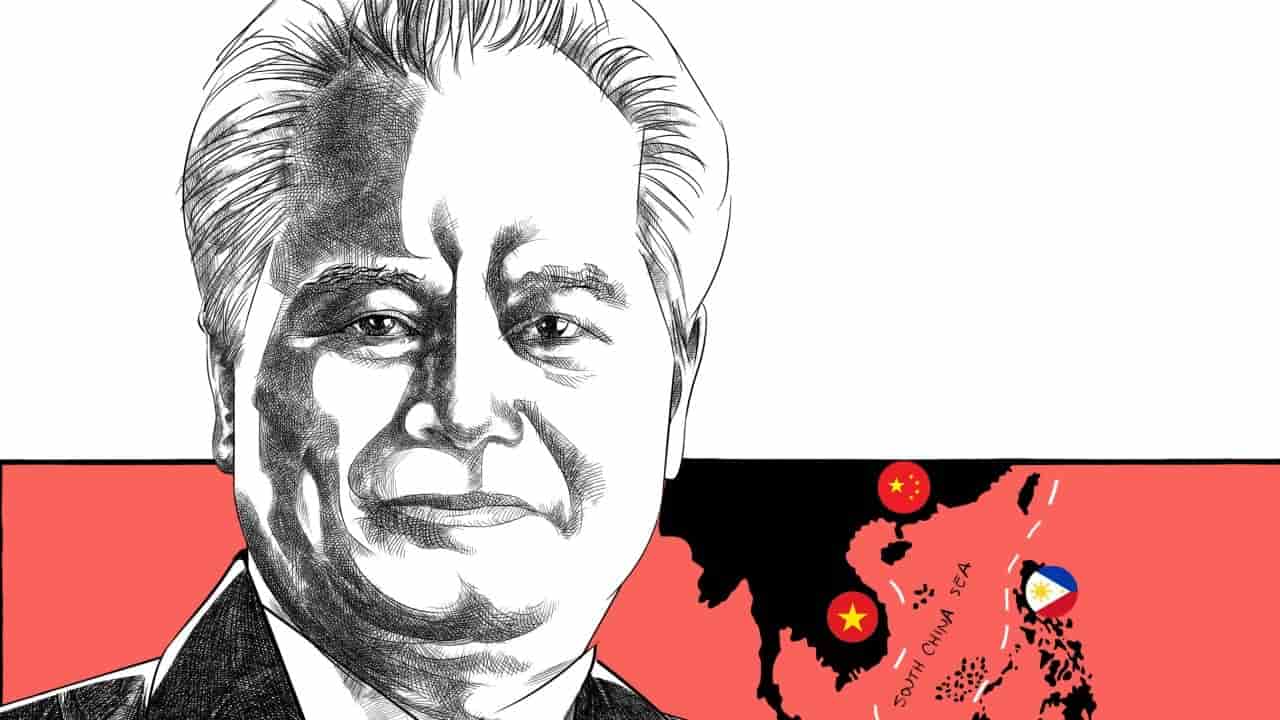
Wu Shicun, a prominent Chinese maritime analyst and founding president of the National Institute for South China Sea Studies, believes tensions in the South China Sea are likely to worsen. He anticipates further provocations from Manila, particularly after Philippine President Ferdinand Marcos Jnr shored up support in the midterm election. Wu also suggested that Hanoi could be the next claimant to confront Beijing, citing Vietnam’s increasing land reclamation activities in the Spratly Islands.
Wu stated that there is no sign of easing tensions in the South China Sea, identifying the Philippines as the most prominent rival claimant. He made these remarks at a seminar in Beijing, ahead of the ninth anniversary of the Permanent Court of Arbitration's ruling that dismissed China’s expansive claims in the region. Wu accused Manila of attempting to occupy new maritime features and expand disputes over areas like Second Thomas Shoal, Sandy Cay, and Scarborough Shoal, where recent run-ins between Chinese and Philippine vessels have occurred.
Furthermore, Wu highlighted the Philippines' decision to allow the deployment of a US mid-range missile system in the country. He described this move as an attempt to disrupt peace in the Taiwan Strait, noting the system's capability to reach parts of the South China Sea, Taiwan Strait, and southern China.