Key facts
- Turkey's Foreign Minister Hakan Fidan called for sustained international pressure on Israel to allow more humanitarian aid into Gaza.
- Fidan stated Israel has repeatedly violated a US-brokered ceasefire and obstructed aid deliveries.
- He expressed concern about the potential restart of genocide in Gaza and advocated for a permanent peace solution.
- The remarks followed a high-level summit in Istanbul attended by diplomats from Qatar, Saudi Arabia, UAE, Jordan, Pakistan, and Indonesia.
- The summit discussed a 20-point plan proposed by US President Donald Trump for a lasting ceasefire and post-war governance in Gaza.
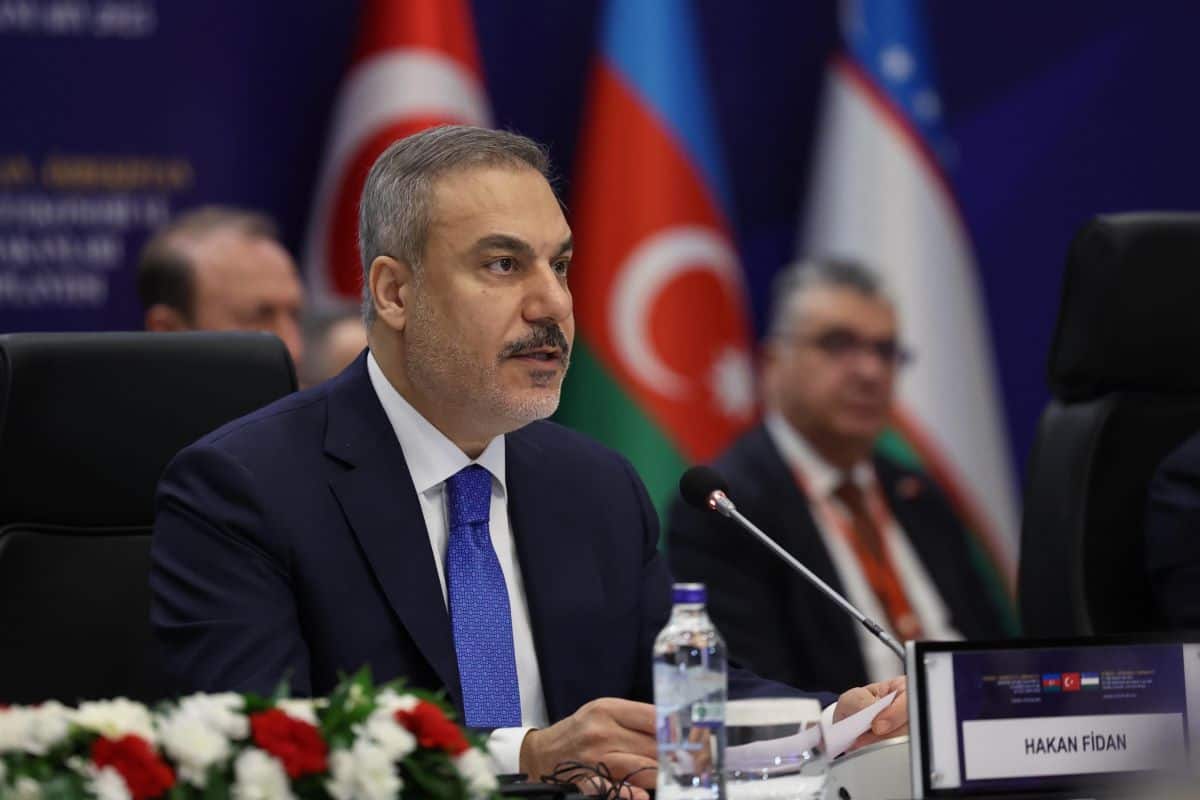
Turkish Foreign Minister Hakan Fidan has called for increased international pressure on Israel to facilitate greater humanitarian aid access to Gaza, citing ongoing ceasefire violations and obstruction of essential supplies. Fidan stated that Israel has failed to uphold its responsibilities under a US-brokered ceasefire plan, which he believes has been strained by repeated Israeli airstrikes. These actions, he warned, risk a resurgence of violence and hinder progress towards a permanent peace solution.
Fidan's remarks were made following a high-level summit in Istanbul on Monday, where top diplomats from Qatar, Saudi Arabia, the United Arab Emirates, Jordan, Pakistan, and Indonesia convened. The meeting focused on the deteriorating situation in Gaza and discussed a proposed international stabilisation force, outlined in a 20-point plan by US President Donald Trump. This plan aims to establish a lasting ceasefire and a post-war governance structure for the Palestinian enclave.
According to Fidan, Israeli airstrikes since the ceasefire began on October 10 have resulted in significant Palestinian casualties. He emphasized that the attacks aimed at provoking Palestinians must cease immediately and that the international community's pressure on Israel should be sustained. Fidan also expressed Turkey's desire for a post-war framework where Palestinians ensure their own governance and security.
The summit occurred amidst escalating Israeli military operations in Gaza and a severe blockade on aid. Reports indicate that aid deliveries, including food and medicine, remain critically low, with no food convoys entering northern Gaza for weeks. Figures suggest that daily aid truck entries have been a fraction of the agreed-upon amount under the ceasefire terms. Israeli Prime Minister Benjamin Netanyahu had ordered strikes following a discrepancy in a body exchange with Hamas, leading to further casualties.