Key facts
- Israel is constructing a new separation wall and road, dubbed 'Crimson Thread', in the Jordan Valley.
- The project is displacing Palestinian farmers and shepherds by cutting off access to agricultural land and water.
- Settler attacks and destruction of water infrastructure have devastated livelihoods in the region.
- Over 40,000 dunams of crops are threatened by drought due to lack of irrigation.
- The wall and road project is seizing Palestinian land and further isolating communities.
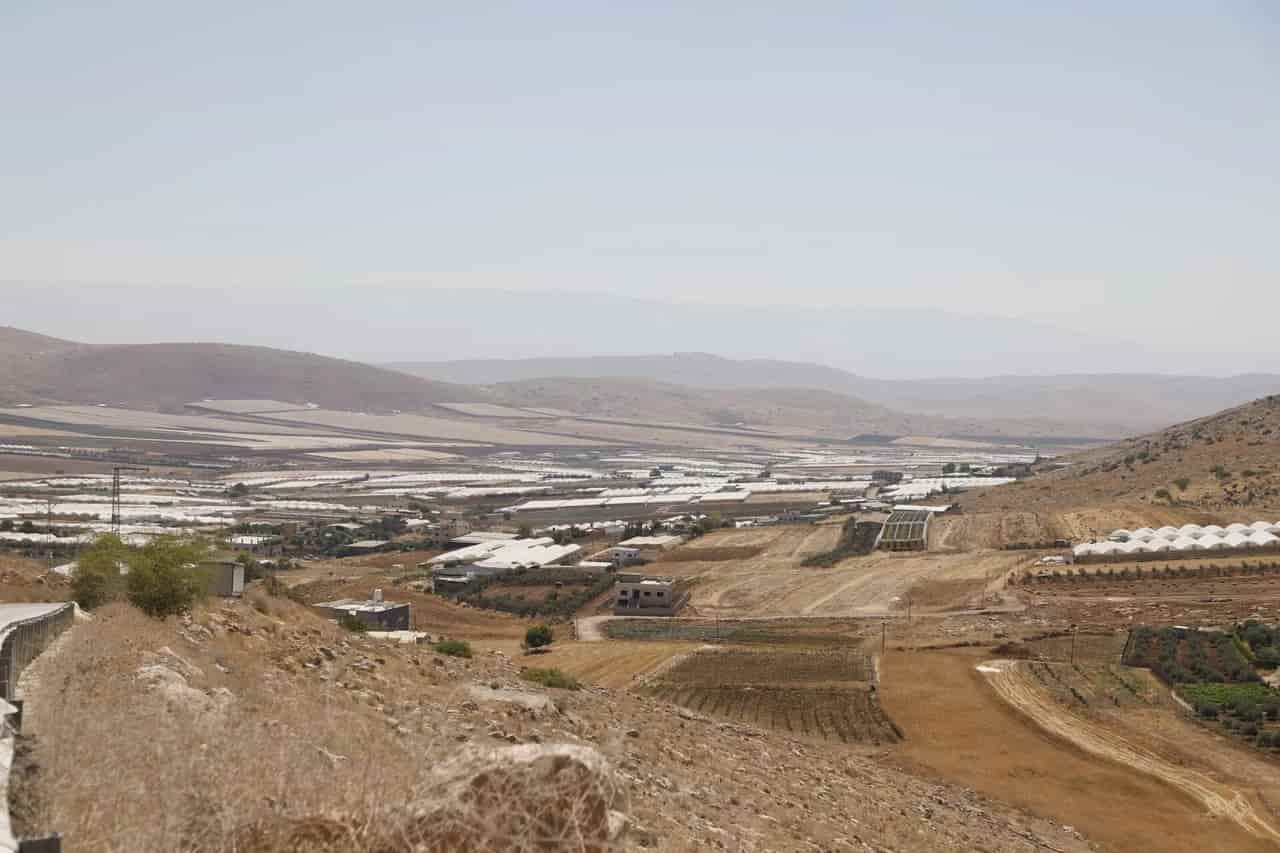
Israel has begun construction of a new separation wall and road, named 'Crimson Thread', in the northern Jordan Valley, significantly impacting Palestinian agricultural communities. The project, which includes a 22-kilometer-long and 50-meter-wide barrier, is swallowing up large swathes of the Buqe'aa Plain, a region described as the 'breadbasket of Palestine'.
Residents report that Israeli settlers have destroyed water lines supplying hundreds of hectares of farmland and livestock, leading to crop damage and water shortages. This, combined with settler attacks and land seizures, has forced dozens of families, like that of farmer Khairallah Bani Odeh, to abandon their lands and livelihoods. Bani Odeh described being forced to leave his village of Atouf after water supplies were cut and his barley crops were burned, making life unbearable.
Local estimates suggest that over 40,000 dunams of crops are now without water, threatening the entire harvest as the summer season intensifies. Farmers face increased travel distances and costs to reach remaining arable land. Muhammad Gharaibeh stated that the project aims to seize over 70,000 dunams, leading to enormous losses for farmers who rely on irrigation and care for their crops.
Israeli authorities have issued military seizure orders for 1,042 dunams of Palestinian land for the barrier. Experts and rights groups, including B'Tselem, highlight that the Jordan Valley is already an area of heavily restricted Palestinian presence. Mu'taz Bisharat, a settlement expert, described the ongoing developments as an annexation process taking place on the ground, further tightening Israeli control and threatening the continued presence of Palestinian communities. He stated that 70 percent of the land in the area has been lost due to Israeli actions, leaving little for Palestinian citizens.