Key facts
- Tens of thousands of Lebanese remain displaced following a ceasefire between Israel and Hezbollah.
- Displacement is due to homes being destroyed by Israeli strikes or towns remaining under Israeli military occupation.
- Over 1.2 million people were displaced during the conflict, with tens of thousands in government shelters.
- More than 90,000 housing units were damaged or destroyed.
- Israeli troops remain deployed 10 km into southern Lebanon, with residents barred from returning to occupied villages.
- Discussions are ongoing regarding a U.S.-backed proposal for Israeli withdrawal.
A ceasefire between Israel and Hezbollah has brought relative calm to Lebanon, but tens of thousands of displaced residents remain unable to return to their homes. Many villages in southern Lebanon have been destroyed by Israeli strikes or remain occupied by Israeli forces, preventing residents from going back.
Hussein Merhi, a farmer from Kfar Kila, is among those displaced, with his village destroyed and occupied. He expressed frustration that the ceasefire has not improved his situation, as he cannot return to his home or livelihood. His mother, Zahra Chehadeh, highlighted the financial strain of displacement, with no income and unaffordable rental costs.
During the conflict, which began in early March, Israel launched an air and ground campaign. Over 1.2 million people, about a fifth of Lebanon's population, were displaced. While some have returned to their villages, many find their homes in ruins. Lebanon's National Council for Scientific Research reported that over 90,000 housing units were damaged or destroyed between March 2 and June 12.
Israeli troops are reportedly deployed 10 km into southern Lebanon, with officials stating these areas remain off-limits. Israel's Defence Minister Israel Katz previously stated that troops would destroy all houses in border villages and residents would not be allowed to return until northern Israel was safe. Amnesty International has called these displacement and 'no-return' orders a violation of international humanitarian law, while the Israeli military states they are for civilian protection.
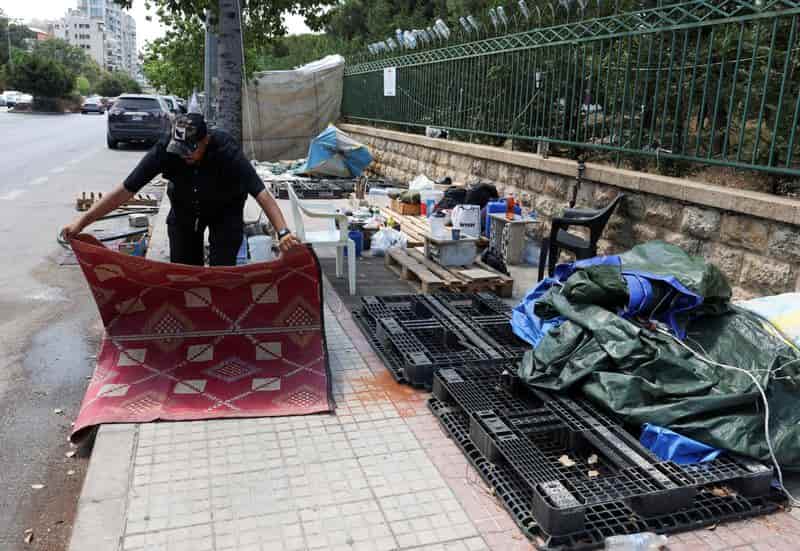
Lebanon and Israel are discussing a U.S.-backed proposal for Israeli withdrawal, but the extent and speed of any pullback remain unclear. Lebanese authorities are preparing for a long-term displacement crisis, exploring options like pre-fabricated housing or cash-for-rent programs, facing challenges with funding and land availability. In Beirut, authorities are clearing makeshift camps, leaving some, like Alaa Kobeissy, with no immediate options.