Israel could partially withdraw from southern Lebanon as part of ongoing diplomatic efforts, according to Haaretz. Representatives from Israel and Lebanon are expected to discuss which areas would be transferred to the Lebanese army under U.S. supervision.

The potential withdrawal of Israeli forces from southern Lebanon, contingent on Hezbollah's disarmament, signifies a critical diplomatic juncture in the ongoing conflict. It highlights the complex negotiations and conditions set by all parties involved, with implications for regional stability and the safety of civilians.
Israel may be required to partially withdraw from parts of southern Lebanon as part of ongoing diplomatic efforts, according to a report by Haaretz citing an Israeli source. Representatives from Israel and Lebanon are expected to determine during talks which pilot areas would be transferred to the Lebanese army.
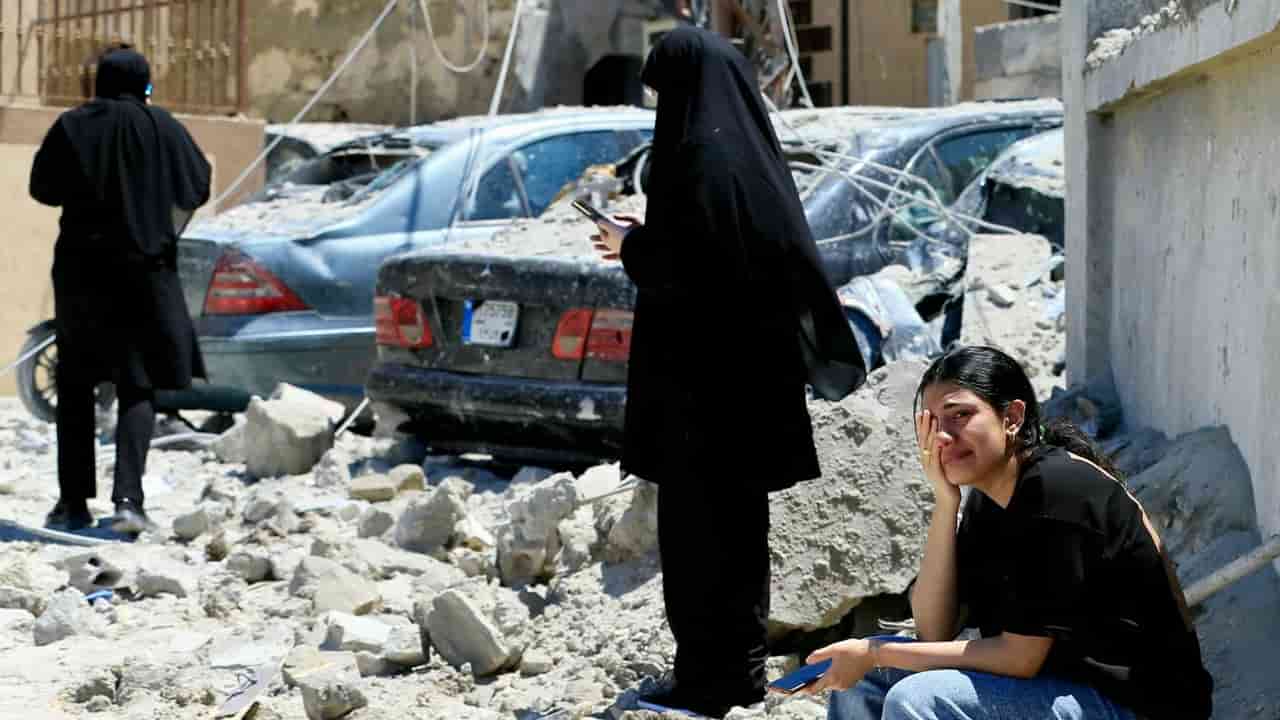
Under the reported plan, Lebanese forces would assume responsibility for these areas under close American supervision and would also take control of additional locations not currently held by Israeli troops. Despite a cease-fire agreed to last month, Israel has expanded evacuation warnings and carried out hundreds of strikes across southern Lebanon, leaving large areas effectively off-limits to civilians.
Israel has signaled it would scale back its military presence in southern Lebanon if the Lebanese armed forces took action to disarm Shi'ite militant group Hezbollah. The Israeli prime minister's office stated that if the Lebanese Armed Forces take the necessary steps to implement the disarmament of Hezbollah, Israel will engage in reciprocal measures, including a phased reduction by the Israeli military. The statement did not explicitly say if Israeli forces would fully withdraw from the five positions they hold in Lebanon.
Senior Hezbollah official Mahmoud Komati rejected the Israeli proposal, telling Reuters that the group opposed "any direct cooperation with the Zionist enemy or collusion against Lebanon’s people and its resistance." He said Lebanon had fulfilled its obligations under U.N. Security Council Resolution 1701, intended to end a war between Israel and Hezbollah in 2006, while Israel continued to defy the accord and seek "unacceptable new gains." Komati urged the Lebanese government to uphold the national consensus, dismissing what he called U.S. and Israeli "tricks and games."
A senior Lebanese government official dismissed Netanyahu’s offer, saying Israel must first commit to a full cessation of hostilities. The ceasefire agreement stipulates Israel withdraw from Lebanese territory. The official told Reuters that with this offer, Israel is falling short of a full solution, accusing Netanyahu of trying to put Lebanon in a difficult position.