Key facts
- The Farnborough Airshow will likely see defense take precedence over commercial jet sales due to heightened global security risks.
- The war in Ukraine and ongoing conflicts are driving increased European defense spending.
- Defense technology startups are innovating with drones and AI-powered targeting systems.
- While manned platforms still receive the majority of military spending, startups are pushing for AI-driven systems.
- Defense exhibitors will constitute 50% of the record 1,600 participants at the airshow.
- Commercial jet order announcements are expected to be subdued due to production capacity limitations.
The Farnborough Airshow is poised to emphasize defense matters over commercial aircraft sales, driven by escalating global security concerns, including the ongoing war in Ukraine and instability in the Gulf. Aerospace and arms manufacturers are grappling with high demand for weapons while navigating a fragile recovery in civil jet and engine production.
Air Chief Marshal Harv Smyth highlighted the complex and volatile security environment, noting the rapid evolution of threats. The event will feature a significant increase in defense-related exhibitors, with defense accounting for half of the record 1,600 participants, up from a historical 40%. This surge reflects the largest rise in European defense spending since the Cold War, though questions remain about specific spending allocations.
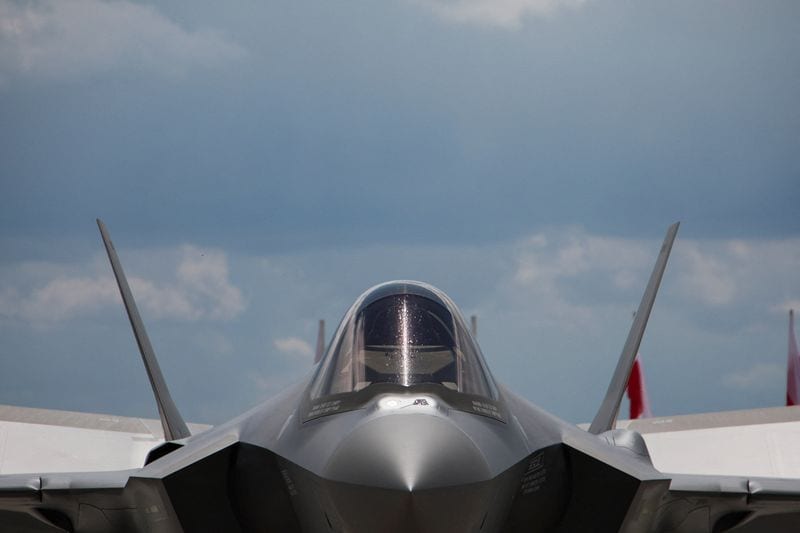
Industry leaders are observing the disruptive potential of defense technology startups, particularly those developing drones and AI-powered targeting software. These companies, described as aggressive and not risk-averse, are pushing for faster development cycles and mass-produced systems, a model that procurement agencies are increasingly embracing. While established platforms like the Lockheed Martin F-35 and Eurofighter will be showcased, startups like Helsing and Anduril are advancing AI-driven systems, despite initial challenges.
On the commercial side, while Airbus and Boeing are expected to announce new orders, the focus may shift from order volume to aircraft deliveries. With delivery slots largely booked for years, total deals might not reach previous forecasts. Manufacturers are prioritizing production capacity and addressing persistent supply chain issues, particularly with castings and forgings, which are critical for meeting targets for increased single-aisle jet output. Delays in engine deliveries also continue to be a significant hurdle for the aviation industry, though companies like GE Aerospace report improvements.