Taiwan President Urges Shared Defence Responsibility, Seeks Drone Funding
IN SHORT
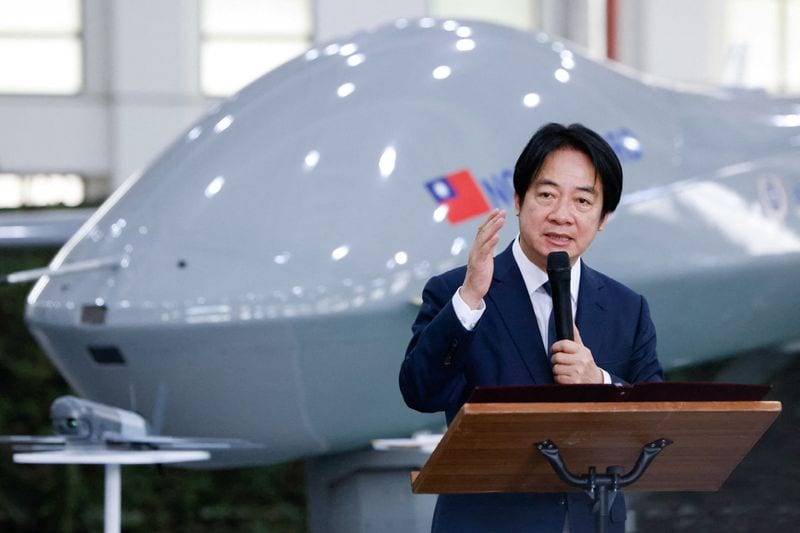
Taiwan's President Lai Ching-te called for greater shared responsibility in collective defense and urged parliamentary support for new drone spending, citing increasing Chinese pressure and the evolving role of drones in modern warfare.
Key Numbers
T$210 billionnew drone spending package
$38.69 billionprevious defense spending request
T$1.25 trillionprevious defense spending request
32.3110Taiwan dollars per US dollar
Who's Involved
Lai Ching-te
President of Taiwan
National Chung-Shan Institute of Science and Technology
government arms contractor visited by the president
U.S.
Taiwan's most important arms supplier and international backer
↳ Why This Matters
Taiwan's commitment to bolstering its defense capabilities, particularly through drone technology, is crucial for maintaining regional stability amidst escalating tensions with China. The island's efforts to share the burden of collective defense are closely watched by international partners, especially the United States, which is a key security ally.