Key facts
- China's environment minister stated that global cooperation to tackle climate change will not stall due to the absence of certain countries.
- The U.S. has withdrawn from the Paris Agreement for the second time.
- A meeting to discuss climate action was co-hosted by China, the EU, and Canada in Brussels.
- The Paris Agreement is a legally nonbinding agreement based on individual country commitments.
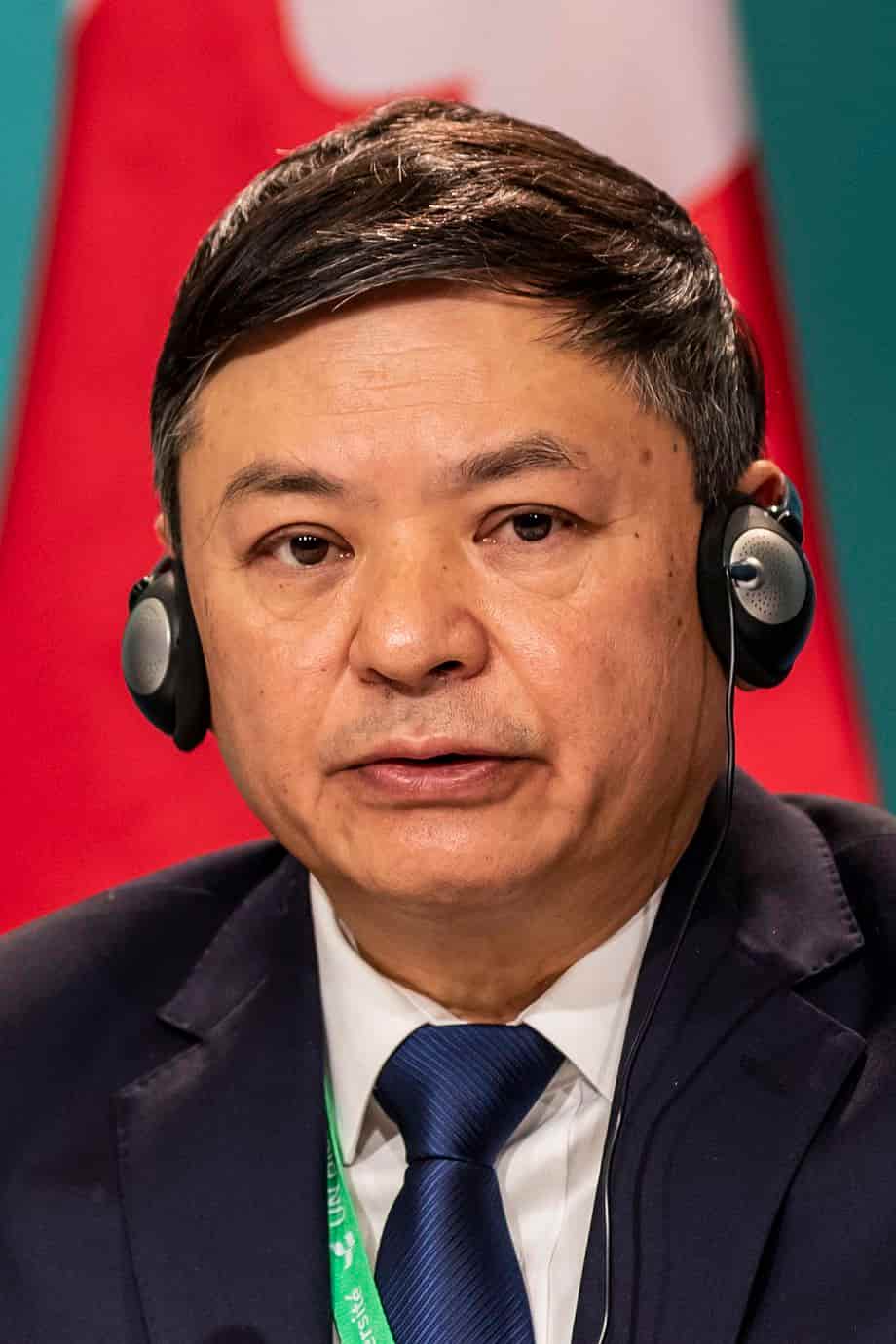
Global cooperation to tackle climate change will not be hindered by the withdrawal of certain countries, including the United States, China's environment minister Huang Runqiu stated at a meeting in Brussels. The minister emphasized that the multilateral process would continue regardless of individual nations' participation.
The meeting, co-hosted by China, the European Union, and Canada, was attended by countries such as Japan, Australia, and South Africa. This comes as the U.S. has once again withdrawn from the Paris Agreement under President Donald Trump, marking the second time the nation has left the treaty.
Despite the U.S. departure, the Paris Agreement has shown resilience. Following the initial U.S. withdrawal in 2017, many businesses, including Apple, Google, Microsoft, and Tesla, made their own climate pledges. U.S. states and cities also formed the United States Climate Alliance. Globally, other nations reaffirmed their commitment to the accord.
More recently, China and the European Union issued a joint statement in July 2025, pledging to strengthen their climate targets. The Paris Agreement's nonbinding nature, based on individual country commitments, allows for flexibility and survival even with the withdrawal of major players.