Key facts
- Tanker traffic through the Strait of Hormuz has significantly decreased following the collapse of U.S.-Iran talks.
- A framework agreement had previously led to a cautious resumption of maritime activity.
- Saudi oil supertankers and an Iranian products tanker were among vessels that transited the strait.
- A Qatari LNG tanker returned to the Persian Gulf, signaling preparations to ramp up exports.
- Commercial shipping traffic had fallen by over 90% amid the US/Israel-Iran conflict.
- Iran is expected to ensure safe passage for commercial vessels for 60 days under the agreement.
- The Netherlands is redirecting a frigate to the Strait of Hormuz for a potential international mission.
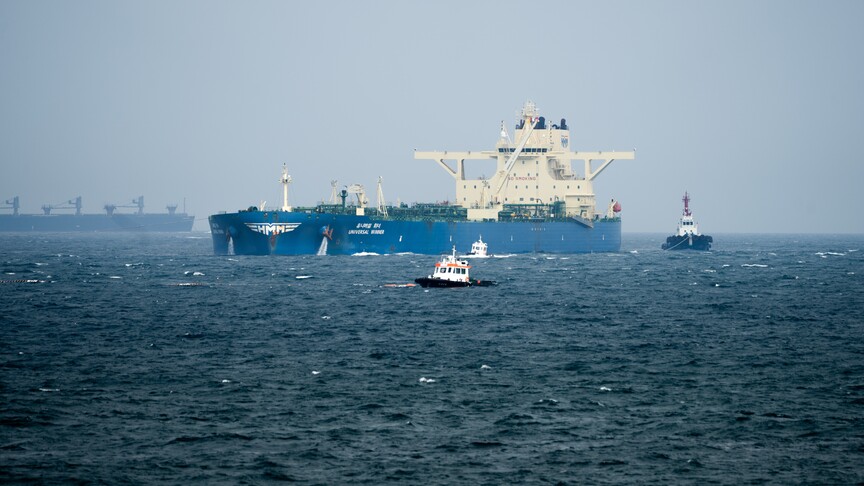
Tanker traffic through the Strait of Hormuz has dwindled again following the collapse of U.S.-Iran talks, reversing a cautious recovery that had begun after a framework agreement. Shippers are hesitant to transit the chokepoint amid renewed uncertainty, with very few vessels observed moving outbound on Friday.
On Thursday, dozens of vessels had left the Gulf outbound from the Strait of Hormuz, marking its reopening. A total of 18 transits were recorded across the June 17 to 18 window, the highest single-window count of the conflict, according to maritime intelligence firm Windward. Among the early departures were Chinese-affiliated, Chinese-linked, European, Japanese, and Saudi tonnage. Three Saudi-flagged supertankers carrying approximately six million barrels of crude transited the Strait dark in the hours following the signing of the U.S.-Iran deal. In addition, tankers carrying a total of 80 million barrels of crude were preparing to move through the Strait.
The U.S.-Iran deal had raised hopes that the oil supply disruption in the Middle East could be nearing its end. However, the collapse of the talks, which were set to begin in Switzerland on Friday, has cast doubt on the sustained reopening of the crucial waterway. Major international tanker operators are not rushing to return, with Jotaro Tamura, CEO at Mitsui OSK Lines, suggesting it may take at least a couple of weeks or a month for full normalization.
Despite the recent movements, shipping risks remain elevated due to complications such as mines and coordination issues. The Netherlands announced it is redirecting a frigate to the Strait of Hormuz for a potential international mission, while Germany is deploying two ships to the Red Sea.