Key facts
- Germany's ruling coalition agreed on a reform package.
- The package includes €10 billion in annual tax relief.
- Tax relief is aimed at low- and middle-income earners.
- Pension changes are part of the German reform package.
- Stricter sick leave rules are included in the German reforms.
- The German measures aim to boost the economy and competitiveness.
- Hungary will launch a school-start benefit program.
- The Hungarian program costs 40 billion forints annually.
- The Hungarian program supports 400,000 children.
- Germany's foreign minister stated the EU-Mercosur deal has unresolved issues.
- The EU-Mercosur deal discussed export quotas at a summit.
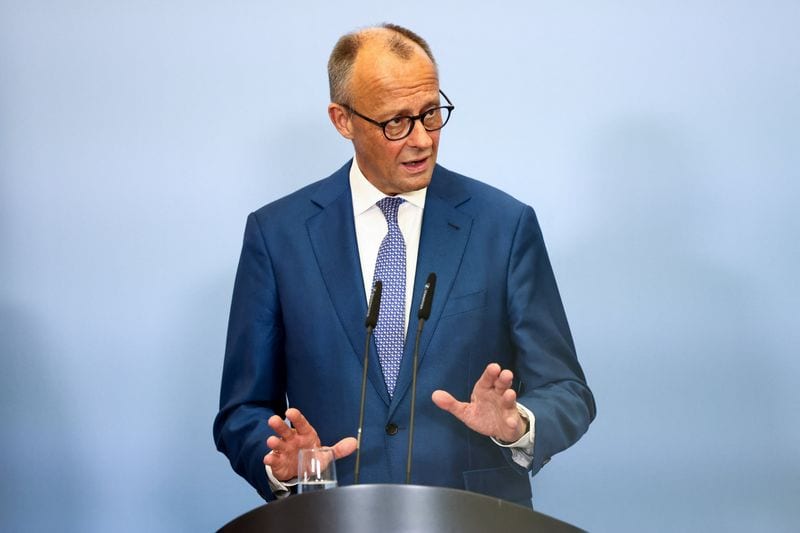
Germany's ruling coalition has reached an agreement on a comprehensive reform package designed to stimulate the country's economy and enhance its competitiveness. The deal includes approximately €10 billion in annual tax relief, with a focus on benefiting low- and middle-income earners. Chancellor Friedrich Merz announced the agreement, which also incorporates changes to the pension system and introduces stricter regulations for sick leave. These economic reforms are being implemented amid concerns about the governing coalition's declining popularity and the increasing influence of the far-right AfD party.
In parallel developments, Hungary is set to launch a new social welfare program. Prime Minister Peter Magyar announced a means-tested school-start benefit scheme that will cost 40 billion forints, equivalent to $128.41 million, annually. This grant is intended to provide support to 400,000 children from disadvantaged families. The introduction of this new spending occurs at a time when Hungary is facing concerns over a widening budget deficit.
Separately, Germany's foreign minister, Johann Wadephul, commented on the status of the EU-Mercosur trade agreement. He indicated that the deal still faces unresolved issues that need to be addressed before it can be ratified. Despite these challenges, Wadephul expressed optimism that the outstanding matters can be resolved. His remarks were made following a Mercosur summit where export quotas were a key topic of discussion.
The German coalition's agreement on tax relief and pension reform is a strategic move to counter falling public approval and the rise of opposition parties. The package aims to address economic stagnation and improve the country's economic standing. The specifics of the pension reforms and sick leave rules are expected to be detailed further as the implementation phase begins.