All NewsEducationTV
Equities & FundsCrypto & Digital AssetsAI & TechnologyBusiness & CorporateUS Politics & PolicyGeopolitics & Global RiskMacro, Rates & FXCommodities & EnergyEuropean Politics & MarketsAsia-PacificReal Estate & Property
Story archiveAll categories
← All Stories

UK businesses face rising costs, potential tax hikes

Created at 11 Aug · 4:46 AM1 source↑ Market-relevant
IN SHORT

UK businesses are grappling with a "cost of doing business crisis," with policy-driven costs increasing over 70% in a decade. Economists warn of potential tax rises in the upcoming Budget, which could impact individuals and households, while businesses hope to avoid further burdens.

✉Newsletter

PiQ Daily

Pick your topics. Get only what matters, on your cadence.

Key Numbers

70%increase in policy-driven costs for UK businesses
£1.98mannual policy-driven costs for a typical mid-sized firm
£1.16mannual policy-driven costs for a typical mid-sized firm in 2016
0.8%potential GDP increase from tax rises
54%revenue accounted for by income tax, NI, corporation tax, VAT

Who's Involved

Rachel Reeves
UK Chancellor of the Exchequer who implemented £26bn in tax hikes last year
Ruth Gregory
Deputy UK Chief Economist at Capital Economics
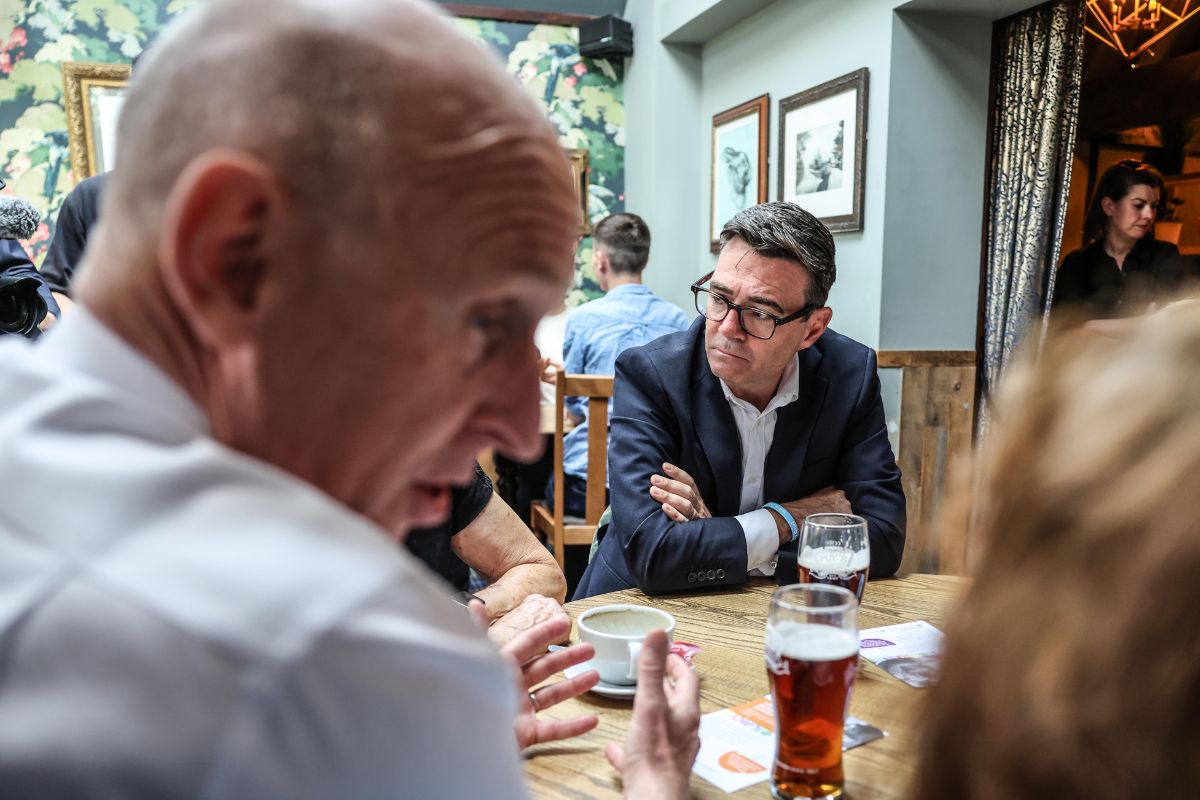
Prime Minister Burnham
UK Prime Minister on a 'cost of living tour'
British Chambers of Commerce
Calculated the rise in policy-driven costs for businesses
UK businesses face rising costs, potential tax hikes

↳ Why This Matters

The rising cost of doing business and potential tax increases in the UK could significantly impact business investment, employment, and consumer spending, potentially affecting the broader economic outlook.

Key facts

  • Policy-driven costs for UK businesses have risen by over 70% in the past decade.
  • A typical mid-sized firm now faces annual policy-driven costs of approximately £1.98 million.
  • Economists predict potential tax increases worth up to 0.8% of GDP in the upcoming Budget.
  • Labour's manifesto restricts hikes to income tax, employee National Insurance, corporation tax, and VAT.
  • Individuals and households may face tax changes on pensions, inheritance, or capital gains.

UK businesses are facing a significant increase in operational costs, with policy-driven burdens rising by over 70% in the last decade. A typical mid-sized firm now incurs approximately £1.98 million annually in such costs, up from £1.16 million in 2016. This figure encompasses minimum wage hikes, employer National Insurance, energy levies, pension contributions, business rates, and regulatory compliance, excluding general inflation or corporation tax.

Economists at Capital Economics suggest that the upcoming Budget could see tax increases worth up to 0.8% of GDP, potentially funding Prime Minister Burnham's policy objectives. However, Labour's manifesto commitments preclude raising income tax, employee National Insurance, corporation tax, or VAT, which together represent 54% of government revenue. This suggests that other taxes may be increased, new ones introduced, or the tax base expanded.

While sector-specific levies on banking, energy profits, or digital services are possibilities, economists believe tax rises are more likely to fall on individuals and households. Potential areas include changes to pension tax, inheritance tax, and capital gains tax. Businesses are reportedly hoping to avoid further tax burdens, given the already substantial increase in their operating costs.

Frequently asked questions

It refers to the significant increase in policy-driven costs faced by UK businesses over the past decade, including minimum wage hikes, employer National Insurance, energy levies, pension costs, and regulatory compliance.

While direct hikes on income tax, corporation tax, and VAT are unlikely due to manifesto promises, businesses may face increased sector-specific levies or other tax changes impacting individuals and households.

Policy-driven costs have risen by more than 70% in a decade, with a typical mid-sized firm now paying around £1.98 million annually, up from £1.16 million in 2016.

What Happens Next

01The government is expected to announce its Budget in October.
02Prime Minister Burnham is currently on a 'cost of living tour'.

Get the newsletter.

Pick the topics you actually care about. We'll email when there's news worth your time, on the cadence you choose. Cancel any time from your account.

Cadence

How It Developed

Policy-driven costs for UK businesses have increased by over 70% in the last decade.
A typical mid-sized firm now pays approximately £1.98 million annually in policy-driven costs.
Economists suggest potential tax rises of up to 0.8% of GDP in the upcoming Budget.
Manifesto promises limit tax increases on income tax, National Insurance, corporation tax, or VAT.
Potential tax increases could affect individuals and households through changes to pension, inheritance, or capital gains tax.
Businesses are concerned about sector-specific levies such as bank surcharges, energy profits, or digital services taxes.
The Prime Minister is undertaking a 'cost of living tour,' with hopes he will engage with business owners.

Sources

T1
Burnham should go on a ‘cost of doing business’ tourCity AM

Related Stories

UK businesses face 70% cost increase due to government policies
11 Aug · 4:06 AM
Andy Burnham's popularity surges, Nigel Farage's tanks, poll finds
10 Aug · 1:41 PM
FCA offers dedicated support to five UK financial scale-ups
10 Aug · 12:56 PM
New Zealand Prime Minister Luxon Survives Leadership Vote Amidst Poll Slump
11 Aug · 1:09 AM
AfD leads in eastern German polls amid economic discontent
10 Aug · 8:17 AM