Key facts
- Andy Burnham's approval ratings rose 12 points in July, reaching a net score of 12 points (42% favorable, 30% unfavorable).
- Nigel Farage's ratings fell by a similar margin, to a net score of -20.
- Reform UK leads party polling with 26% voter share, followed by Labour and Conservatives at 23% each.
- Kemi Badenoch maintained a net positive favorability score of four.
- Burnham is preferred over Badenoch by 18 points and over Farage by 25 points in head-to-head "preferred Prime Minister" contests.
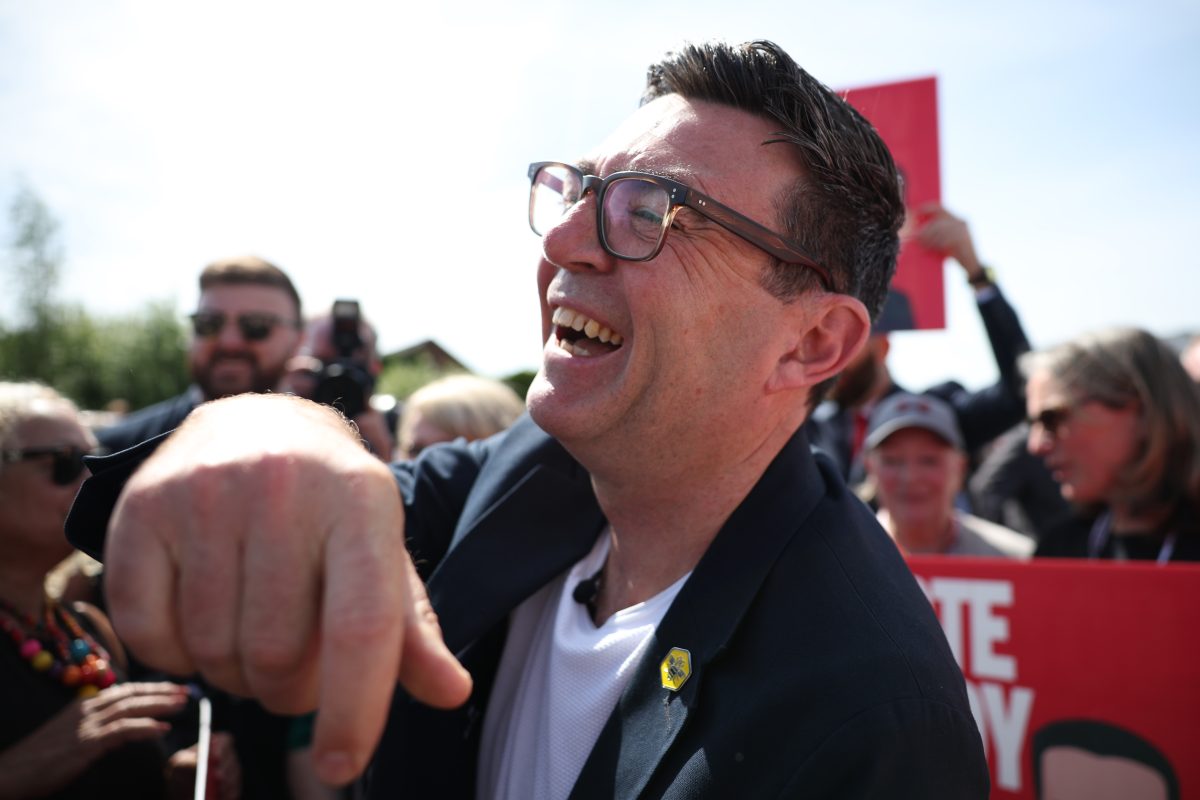
Andy Burnham's popularity has seen a significant increase in July, with his approval ratings jumping 12 points to a net score of 12, making him the most positively received figure in British politics. This surge occurred as Nigel Farage's ratings plummeted by a similar amount to a net score of -20, according to new polling from City AM/Freshwater Strategy.
Despite the shift in personal favorability, party polling shows Reform UK maintaining its lead with 26% of the voter share, a drop of only three points. Labour and the Conservatives each garnered 23% of the vote share, while the Liberal Democrats fell behind the Green Party, which secured 10% and 9% respectively.
Dr. Michal Turner, a polling expert at Freshwater Strategy, noted a "clear divergence" between personal ratings and voting intentions, suggesting that Burnham's increased popularity has not yet translated into a broader boost for the Labour party. He indicated that the window for converting goodwill into votes could be short, possibly measured in weeks.
Burnham has reportedly regained voter trust on key issues such as reducing inflation, improving healthcare, and tackling crime, areas previously strong for Reform UK. The pollster suggested that an early election might become an attractive option for Burnham, given his reformist agenda, although the current Prime Minister has ruled out such a move, citing the need for public consent on social care reforms.
In head-to-head "preferred Prime Minister" contests, Burnham outperformed both Kemi Badenoch and Nigel Farage. Badenoch, the Conservative leader, maintained a net positive favorability score of four, and her party is seen as more trusted on fiscal issues like reducing government spending and managing the cost of living.