Key facts
- New Zealand Prime Minister Christopher Luxon survived a leadership vote within his party.
- The vote was called to address increased speculation about Luxon's leadership.
- Luxon stated the motion of confidence in his leadership was passed decisively by the caucus.
- Recent opinion polls show declining support for Luxon and his National Party.
- The National Party leads a coalition government and faces a general election in November.
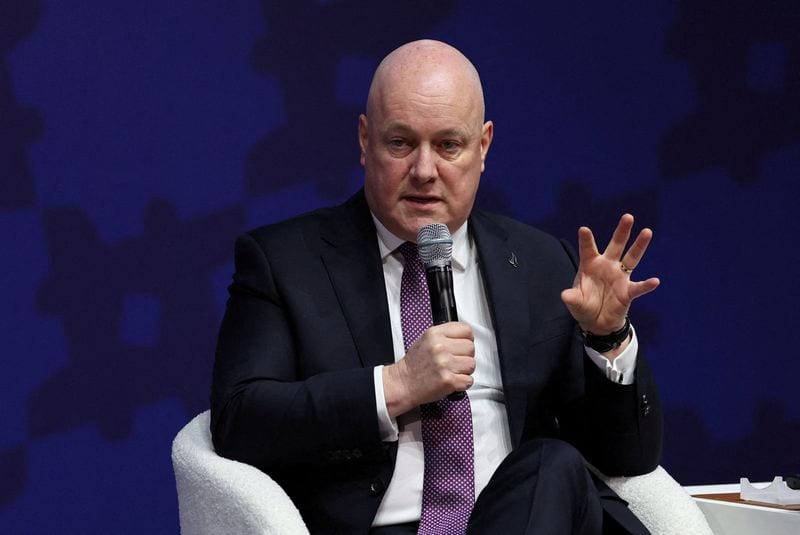
New Zealand Prime Minister Christopher Luxon has survived a leadership vote within his National Party caucus, a move he initiated to quell speculation fueled by declining opinion polls. Luxon stated that the vote, held during a caucus meeting in Wellington, confirmed he had the "clear and decisive" support of his lawmakers.
Luxon, who has served as prime minister since November 2023, described the media coverage of leadership rumors as a "soap opera" and a distraction from everyday issues. He emphasized that the matter of his leadership was now closed. However, recent polls indicate a significant slump in public support for both Luxon and the National Party, with one poll showing only 16% of New Zealanders preferring Luxon as their leader. This has raised concerns about the party's prospects in the upcoming general election scheduled for November.
The National Party leads a coalition government with ACT and the New Zealand First party, campaigning on economic recovery. Despite these efforts, the economic rebound has been slow. Reports suggested concerns from backbenchers about Luxon's performance, with one instance involving the party whip reportedly seeking a meeting with Luxon, which was not immediately granted. Luxon had previously reshuffled his cabinet and re-election team in March in an attempt to bolster his position.
While the exact tally of the confidence vote was not disclosed, the party's deputy leader indicated Luxon must have received a majority in the secret ballot. The vote occurred months before the national election, and analysts had speculated about potential leadership challenges.