Key facts
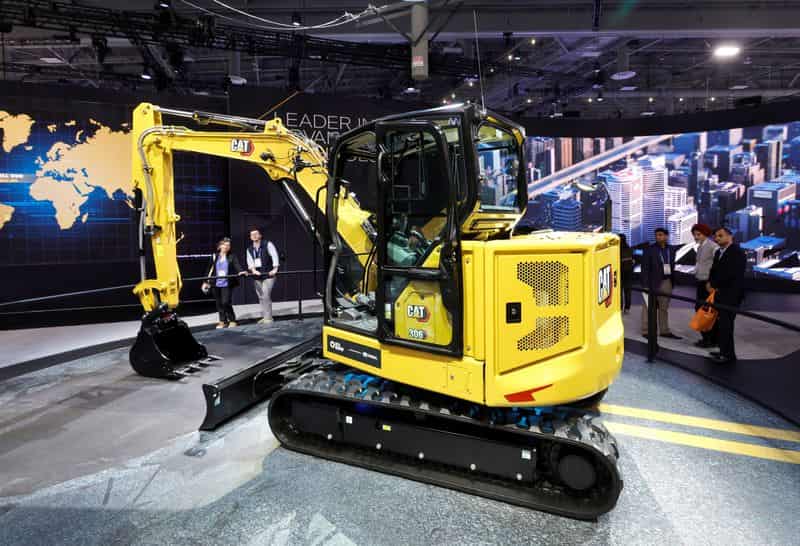
- Caterpillar reported a higher second-quarter profit and raised its annual revenue forecast.
- Nippon Steel raised its full-year net profit forecast by 32% to 290 billion yen ($1.84 billion).
- Merck reported second-quarter revenue of $16.61 billion and raised its full-year revenue forecast.
- Vertex Pharmaceuticals expects annual revenue between $13.1 billion and $13.2 billion.
- Onsemi forecasts third-quarter revenue between $1.65 billion and $1.75 billion.
- Apollo Global Management reported record second-quarter earnings from fees and its insurance business.
- Archer-Daniels-Midland reported an adjusted profit of $1.84 per share for the second quarter.
- Waters Corp. raised its annual profit and revenue forecasts after exceeding second-quarter estimates.
- Cummins reported second-quarter profit below market expectations.
- Toyota reported a 9% decline in operating profit for its first quarter.
- Continental exceeded second-quarter profit expectations but warned of rising raw material costs.
- Sysco Corp reported first-quarter net sales of $20.48 billion.
Multiple companies announced strong second-quarter financial results, with many revising their annual forecasts upward. Caterpillar reported a significant increase in its second-quarter profit, driven by sustained demand for its power-generation and construction equipment. The company also raised its annual revenue forecast, benefiting from the AI infrastructure boom and increased sales to dealers. Nippon Steel boosted its full-year net profit forecast by 32% to 290 billion yen ($1.84 billion), largely due to stronger earnings from its U.S. Steel unit and a firmer U.S. market. Merck surpassed second-quarter revenue estimates of $16.61 billion, primarily on robust sales of its cancer drug Keytruda, leading the company to raise its full-year revenue forecast despite a reported quarterly loss from acquisition charges.
Vertex Pharmaceuticals increased its annual revenue forecast to between $13.1 billion and $13.2 billion, attributing the rise to strong demand for its cystic fibrosis treatments, excluding its pending acquisition of Crinetics. Onsemi anticipates third-quarter revenue between $1.65 billion and $1.75 billion, exceeding Wall Street expectations, with CEO Hassane El-Khoury projecting the AI data center segment's revenue to more than double by 2026. Archer-Daniels-Midland exceeded second-quarter profit estimates with an adjusted profit of $1.84 per share, benefiting from higher margins in its grain trading business. Waters Corp. also raised its annual profit and revenue forecasts after beating second-quarter estimates, citing higher demand for its laboratory equipment and growth from recent acquisitions. German car parts supplier Continental exceeded second-quarter profit expectations, driven by strong tyre sales and lower raw material costs, though it cautioned that these benefits would reverse in the second half of the year.
Conversely, some companies reported challenges. Toyota's operating profit declined by 9% in its first quarter, marking the fifth consecutive period of falling profits, attributed to decreased sales in China and increased material costs linked to the Iran war. Despite this, Toyota raised its full-year profit outlook. Cummins missed its quarterly profit estimates, even with strong generator demand and improving North American truck market conditions, although it did raise its 2026 revenue forecast. Sysco Corp reported first-quarter net sales of $20.48 billion, surpassing analyst expectations due to steady demand for specialty products, but missed profit targets. Broadridge Financial reported a rise in fourth-quarter profit to $398 million ($3.44 per share), driven by its investor communications segment. Clorox forecast annual sales above analysts' expectations, citing demand for health and wellness products and international customers, but anticipates a challenging operating environment with cost volatility.
Apollo Global Management reported record second-quarter earnings from fees and its insurance business, but noted a slowdown in asset sales amid a challenging market. The sources indicate a general trend of companies benefiting from specific market segments like AI infrastructure, construction, and pharmaceuticals, while others grapple with geopolitical impacts, supply chain costs, and market slowdowns in specific regions.