Key facts
- The SEC's enforcement division is investigating continuation vehicles used by private equity firms.
- The probe is examining potential conflicts of interest, asset valuation, and investor disclosures.
- Continuation vehicles allow private equity managers to extend asset holding periods and offer liquidity to investors.
- The popularity of these vehicles has surged, with $106 billion in transactions last year.
- The SEC is coordinating across divisions to address concerns in the opaque private credit market.
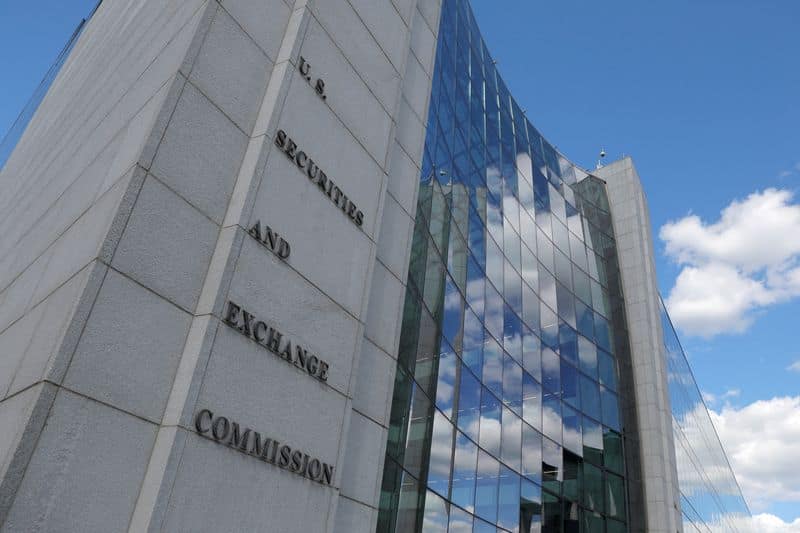
The U.S. Securities and Exchange Commission's enforcement division is investigating continuation vehicles, a financial product increasingly used by private equity firms and other asset managers. These vehicles allow managers to hold onto assets that are difficult to sell, extending their holding period and providing existing investors with an option to exit. The probe is focusing on potential conflicts of interest, the valuation of assets within these vehicles, and the adequacy and consistency of investor disclosures.
Continuation vehicles have seen a significant rise in popularity, with fund manager-led secondary transactions reaching $106 billion last year, according to Evercore. This surge is partly attributed to the challenging market conditions, including rising interest rates, which have made it harder for private equity firms to sell companies at the high valuations seen during the pandemic. Geopolitical turmoil and AI-driven disruptions have further complicated portfolio sales.
Traditional private equity funds typically have a lifespan of about a decade. Continuation vehicles offer a solution by enabling managers to transfer assets to a new fund, secure new investors, and return cash to original investors without being forced to sell assets at a discount or realize potential losses. While predominantly used for equity assets, the share of credit assets within these vehicles is growing.
Sources indicate that SEC enforcement staff have been working to establish an informal working group with other divisions, such as examinations and investment management, to improve coordination and information sharing regarding the opaque private credit market. While SEC examiners have previously scrutinized private fund issues, the escalation to the enforcement division and cross-divisional collaboration signal heightened concerns among regulators about potential problems in private markets.
Managers of these vehicles often state they obtain third-party opinions for continuation vehicle deals. The SEC's scrutiny does not imply wrongdoing and may not result in penalties. SEC Chairman Paul Atkins has previously mentioned investigations into fraud allegations in private credit firms, and enforcement director David Woodcock has noted the agency's attention to risks related to liquidity, fees, valuations, and conflicts of interest in the sector.
Regulators have intensified oversight of private markets, which have expanded significantly over the last decade. Concerns have been amplified by recent issues at alternative asset managers like Blue Owl and BlackRock funds, which sparked fears of emerging cracks in the private credit market. The global private credit market is generally estimated to be worth at least $1.8 trillion.
Critics highlight the potential for conflicts of interest, as the investment manager is often on both sides of a continuation vehicle transaction, potentially incentivizing skewed valuations and raising questions about transparency between buyers and sellers. A notable dispute involved the Abu Dhabi Investment Council filing a complaint against an Energy & Minerals Group continuation vehicle, alleging a conflicted sale. The case was dismissed by a Delaware court, and the deal closed in March.