Key facts
- Pakistan is considering importing crude oil from Iran.
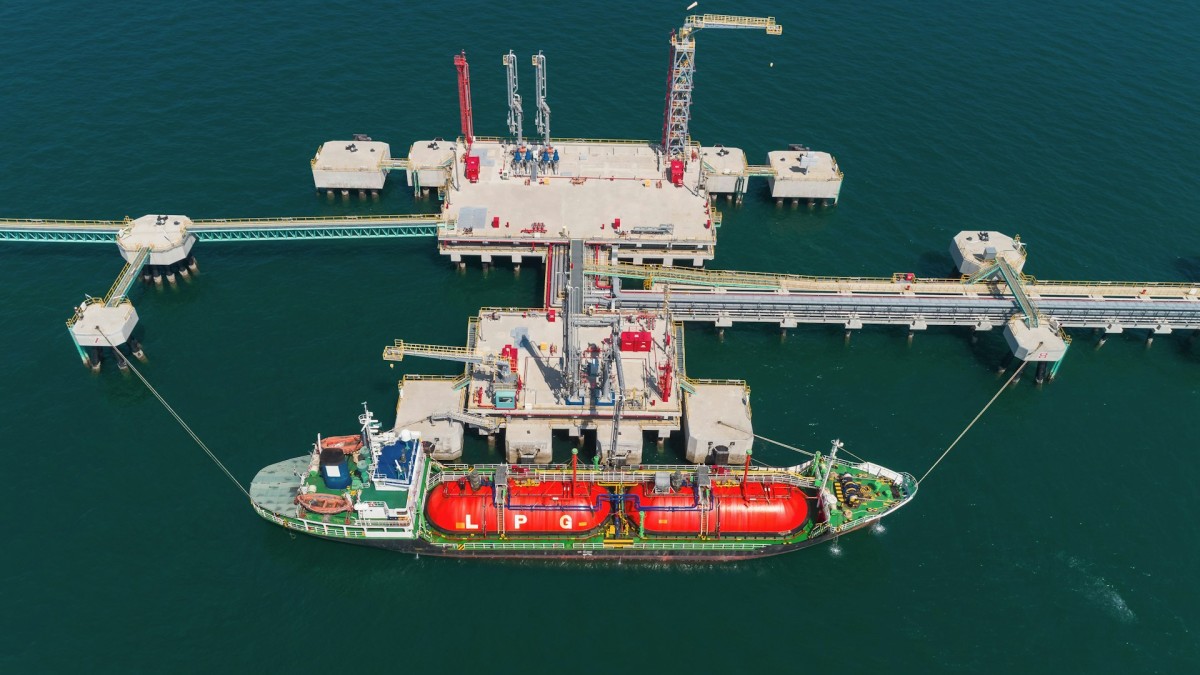
- Pakistan plans to increase liquefied petroleum gas (LPG) imports from Iran.
- These imports could save Pakistan between $170 million and $340 million on its oil import bill.
- The consideration is driven by energy supply concerns.
- Volatility in the Strait of Hormuz is a factor in these concerns.
Pakistan is actively considering a significant increase in its energy imports from Iran, with a focus on both crude oil and liquefied petroleum gas (LPG). This strategic move is driven by the nation's ongoing concerns regarding energy supply security, exacerbated by the volatile geopolitical situation in the Strait of Hormuz.
Officials in Pakistan believe that these imports could lead to substantial savings on the country's overall oil import bill, with estimates ranging between $170 million and $340 million per year. The potential for cheaper energy sources from Iran is a key factor in this consideration, as Pakistan seeks to mitigate the impact of global energy market fluctuations and supply chain disruptions.
The decision to potentially increase imports from Iran is part of a broader strategy to diversify Pakistan's energy sources and secure more cost-effective supplies. The government is evaluating the economic and logistical implications of such a move, weighing the benefits of reduced import costs against potential international considerations and domestic infrastructure requirements.