Key facts
- Oil prices have fallen 10% on the week.
- Brent crude erased gains made since the U.S. attack on Iran.
- Middle East crude benchmarks Dubai and Murban have flipped into contango.
- Crude transits through the Strait of Hormuz have increased.
- Southeast Asian households are reducing spending.
- The Philippines leads global solar adoption.
- Australian energy exploration activity has reached a 10-year peak.
- Demand for natural gas from Asian markets is driving Australian exploration.
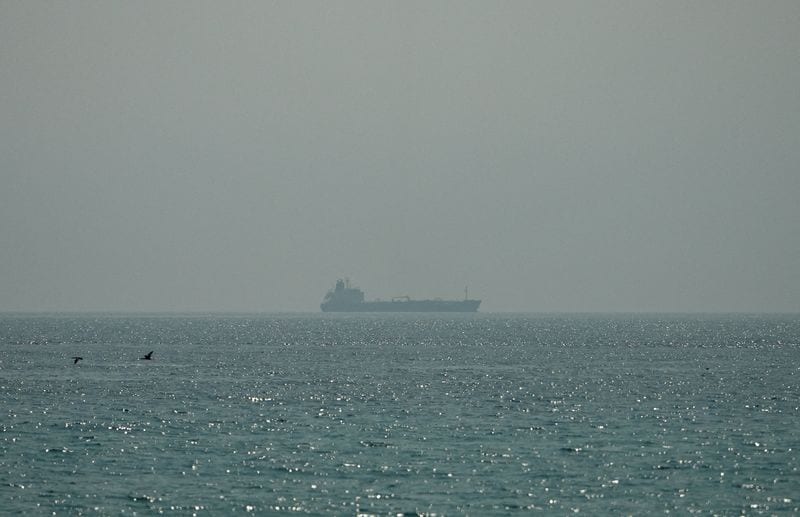
Oil prices have experienced a significant decline, with Brent crude falling 10% on the week, effectively erasing the gains made since the U.S. attack on Iran. Middle East crude benchmarks, including Dubai and Murban, have shifted into contango, a market structure that signals a temporary oversupply. This price drop is attributed to expectations of increased supply, potentially stemming from a U.S.-Iran ceasefire, and signs that crude transits through the Strait of Hormuz are showing recovery, raising hopes for its gradual reopening.
Despite these price drops, uncertainties remain regarding the sustainability of the anticipated supply surge and the willingness of shipping companies to navigate the Strait of Hormuz. These factors are causing traders to question the current market pricing. The impact of the ongoing conflict has also been felt globally, with Southeast Asian households reducing spending due to persistently high fuel and fertilizer costs. This situation has highlighted the region's energy security vulnerabilities, leading to increased calls for diversification of energy sources and a potential acceleration in the adoption of renewable energy technologies.
In parallel developments, the Philippines is leading global solar adoption, becoming the world's largest spender on solar panel installations. This surge is driven by rapidly increasing electricity prices, exacerbated by the nation's reliance on imported fossil fuels and a weakening currency. Households and businesses are turning to solar solutions despite the substantial upfront investment required. Meanwhile, Australian energy exploration activity has reached a decade high, fueled by robust demand for natural gas from Asian markets, reflecting a significant increase in exploration licenses and sector investment.