Key facts
- Oil prices have fallen significantly, with Brent crude down 10% on the week, erasing gains made since the U.S. attack on Iran.
- Middle East crude benchmarks Dubai and Murban have flipped into contango, indicating a temporary oversupply.
- Crude transits through the Strait of Hormuz have increased, raising hopes for a gradual reopening.
- Iran's drone attack on a Taiwanese cargo ship near Oman briefly raised fears of renewed transit disruptions.
- Saudi Arabia has resumed loading oil cargoes in the Persian Gulf.
- Chinese state refiners are considering resuming purchases of Iranian oil.
- Russia is contemplating a ban on diesel exports due to domestic supply concerns.
Oil prices have significantly declined this week, with Brent crude erasing its gains from the U.S.-Iran conflict and Middle East benchmarks entering contango. This shift suggests markets anticipate a recovery in Strait of Hormuz flows, despite recent tensions.
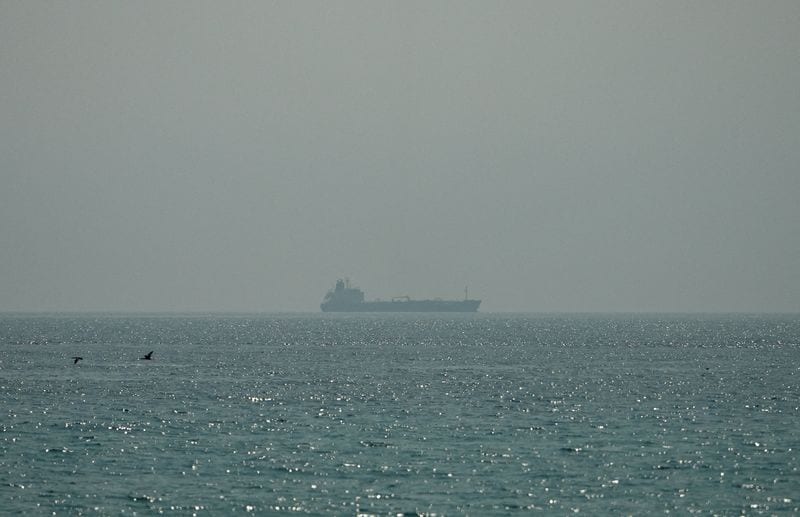
Crude transits through the Strait of Hormuz have increased to their highest levels since the conflict began, fueling hopes for a gradual reopening. However, Iran's drone attack on a Taiwanese cargo ship near Oman briefly reignited fears of potential disruptions.
In response to the easing supply concerns, Brent crude is set to close the week around $72 per barrel, a 10% weekly loss. The Dubai and Murban crude benchmarks have flipped into contango, signaling a temporary oversupply in Asian markets.
Despite the easing fears, Saudi Arabia has resumed loading oil cargoes in the Persian Gulf, and Chinese state refiners are considering purchasing Iranian oil for the first time since 2019. Qatar is also planning to restart its liquefaction plants.
Other market developments include Russia contemplating a ban on diesel exports due to supply constraints from Ukrainian drone strikes on its refineries, and U.S. President Trump ordering an investigation into gasoline pricing policies.