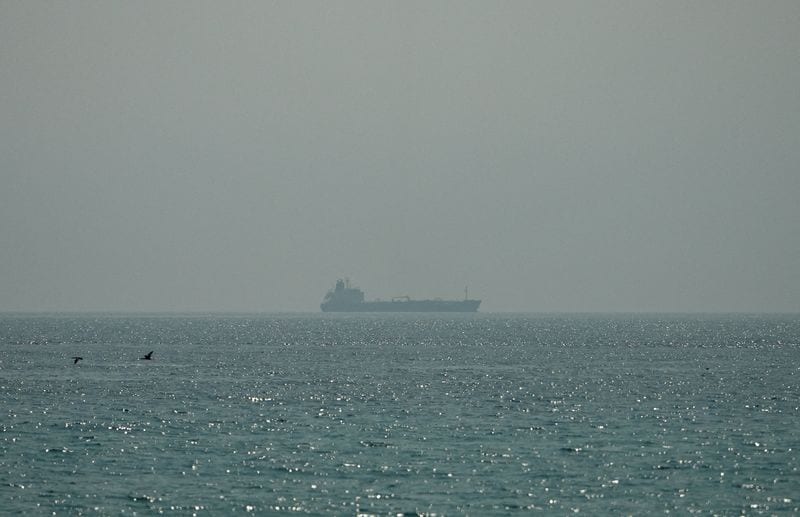
Oil Prices Erase Iran War Premium as Hormuz Flows Show Signs of Recovery
window 24h
IN SHORT
Oil prices have fallen significantly, erasing gains from fears of Strait of Hormuz disruptions following Iran's drone attack on a cargo ship. Saudi Arabia has resumed Gulf loadings, easing market concerns. Meanwhile, persistently high energy and fertilizer costs, linked to the ongoing conflict, are impacting Southeast Asian households, leading to reduced spending and a renewed focus on energy security and renewable adoption. The Philippines, facing soaring electricity prices and a weakening currency, is leading global solar adoption with a surge in installations.
✉Newsletter
PiQ Daily
Pick your topics. Get only what matters, on your cadence.
Key Numbers
10%Brent crude price drop
Who's Involved
Iran
launched a drone attack on a cargo ship
Saudi Arabia
restarted Gulf loadings
Southeast Asia
households reducing spending due to high energy costs
Philippines
leading global solar adoption amid soaring power prices
1 / 2
Key facts
Oil prices have fallen 10%, with Brent crude experiencing this decline.
Middle East oil benchmarks have flipped into contango.
Markets anticipate easing Strait of Hormuz disruptions.
Iran launched a drone attack on a cargo ship.
Saudi Arabia has restarted Gulf loadings.
Southeast Asian households are reducing spending.
High fuel and fertilizer costs are impacting Southeast Asia.
The ongoing conflict has exposed Southeast Asia's energy security risks.
The Philippines is experiencing a surge in solar panel installations.
The Philippines is the world's largest spender on solar technology.
Soaring electricity prices are driving solar adoption in the Philippines.
Reliance on imported fossil fuels and a weakening currency affect the Philippines.
Oil prices have experienced a substantial decline, with Brent crude falling 10% and Middle East benchmarks shifting into contango. This price drop is attributed to market anticipation of easing disruptions in the Strait of Hormuz. While Iran's drone attack on a cargo ship initially raised fears of supply chain issues, Saudi Arabia has since restarted Gulf loadings, alleviating market concerns. The impact of the ongoing conflict is also being felt in Southeast Asia, where households are reducing spending due to persistently high fuel and fertilizer costs. This situation has highlighted the region's energy security vulnerabilities, prompting discussions about diversification and potentially accelerating the adoption of renewable energy sources.
In parallel, the Philippines is leading global solar adoption, becoming the world's largest spender on solar panel installations. This surge is driven by rapidly increasing electricity prices, compounded by the nation's reliance on imported fossil fuels and a weakening currency. Despite the significant upfront investment required for solar solutions, both households and businesses in the Philippines are increasingly turning to this technology to mitigate the impact of high energy costs. The broader trend in Southeast Asia suggests a growing regional interest in renewable energy as a response to energy security risks and volatile global energy markets.
The current market dynamics reflect a complex interplay of geopolitical events and economic pressures. The easing of fears regarding Strait of Hormuz disruptions has directly impacted oil prices, while the persistent effects of the conflict continue to influence commodity costs and household budgets in various regions. The Philippines' aggressive move towards solar power exemplifies a broader strategy being considered in Southeast Asia to enhance energy independence and manage price volatility.
↳ Why This Matters
Oil prices have experienced a substantial decline, with Brent crude falling 10% and Middle East benchmarks shifting into contango. This price drop is attributed to market anticipation of easing disruptions in the Strait of Hormuz. While Iran's drone attack on a cargo ship initially raised fears of supply chain issues, Saudi Arabia has since restarted Gulf loadings, alleviating market concerns. The impact of the ongoing conflict is also being felt in Southeast Asia, where households are reducing spending due to persistently high fuel and fertilizer costs. This situation has highlighted the region's energy security vulnerabilities, prompting discussions about diversification and potentially accelerating the adoption of renewable energy sources.
Frequently asked questions
Contango occurs when the futures price of a commodity is higher than the spot price, indicating a temporary oversupply or expectations of future price declines.
The Strait of Hormuz is a critical chokepoint through which a significant portion of the world's oil supply passes. Any disruption there can lead to sharp price increases.
This action suggests a return to more normalized export operations and contributes to easing supply concerns in the market.
What Happens Next
01Markets will monitor future transits through the Strait of Hormuz.
02China's decision on resuming Iranian oil purchases will be watched.
03Russia's final decision on diesel export ban will be noted.
Get the newsletter.
Pick the topics you actually care about. We'll email when there's news worth your time, on the cadence you choose. Cancel any time from your account.