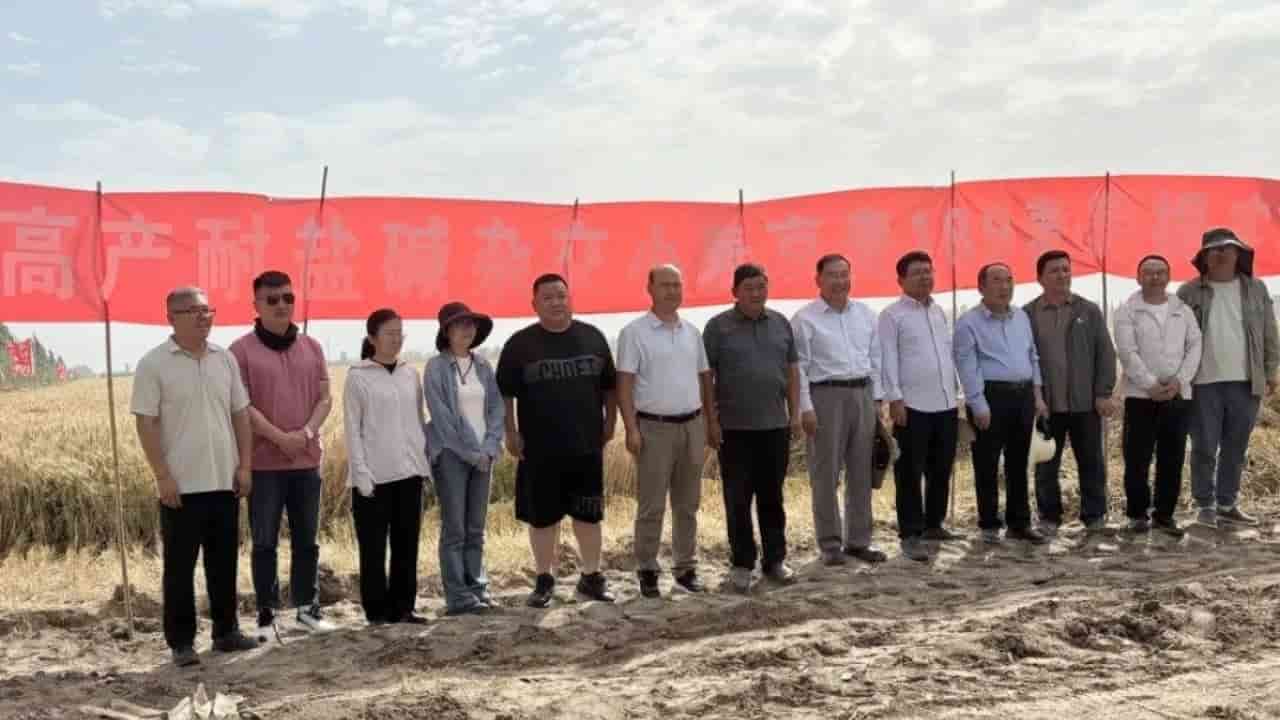
Key facts
- Wheat cultivated in China's Taklamakan Desert yielded double the national average in a trial.
- Researchers described the results as 'totally unexpected'.
- The breakthrough has implications for food security in arid regions.
- The success suggests desert lands could become viable agricultural areas.
- This development offers new avenues for food production globally.
A trial cultivation of wheat in China's Taklamakan Desert has produced yields that are double the national average, a development described as "totally unexpected" by researchers involved in the project. This significant agricultural breakthrough could have profound implications for global food security and agricultural innovation, particularly in arid and desert regions. The success demonstrates the potential for transforming previously unproductive desert lands into viable agricultural areas, offering new avenues for food production. This is especially relevant in the context of a world facing increasing climate challenges and the need for sustainable food sources. The research team's findings suggest that with appropriate techniques and resources, even the harshest environments can be harnessed for agricultural purposes, potentially expanding the global arable land base. The implications extend beyond mere yield increases, pointing towards a future where desertification might be combatted through productive land use. Further research and development are anticipated to refine these methods and assess their scalability and long-term sustainability. The unexpected nature of the results underscores the ongoing need for exploration and experimentation in agricultural science, even in seemingly inhospitable environments.