All NewsEducationTV
Equities & FundsCrypto & Digital AssetsAI & TechnologyBusiness & CorporateUS Politics & PolicyGeopolitics & Global RiskMacro, Rates & FXCommodities & EnergyEuropean Politics & MarketsAsia-PacificReal Estate & Property
Story archiveAll categories
← All Stories

US sugar demand rises, corn syrup falls as consumers favor less processed foods

Created at 30 Jul · 7:07 PM1 source↑ Market-relevant
IN SHORT

US demand for cane and beet sugar increased by 0.6% in the first half of the 2025/26 marketing year, while high fructose corn syrup deliveries dropped 3.5%, according to a CoBank report. This suggests a consumer preference for natural sweeteners over highly processed alternatives.

✉Newsletter

PiQ Daily

Pick your topics. Get only what matters, on your cadence.

Key Numbers

0.6%US cane and beet sugar demand growth
3.5%US high fructose corn syrup delivery decline
0.5%US annual population increase in 2025
31%Projected decline in grocery basket size for GLP-1 users

Who's Involved

CoBank
Author of the report on US sugar and corn syrup demand trends
USDA
Department of Agriculture, data source for the CoBank report
International Food Information Council
Conducted a survey on consumer sugar avoidance
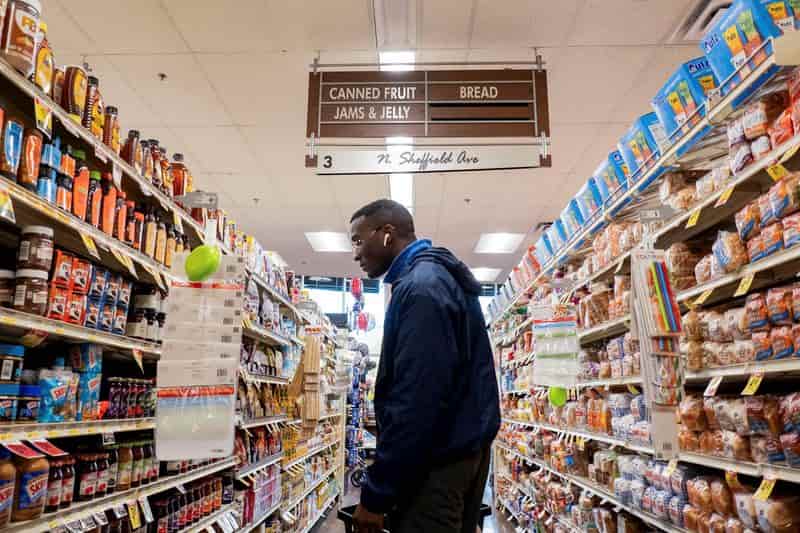
US sugar demand rises, corn syrup falls as consumers favor less processed foods

↳ Why This Matters

The shift in consumer preference away from high fructose corn syrup towards natural sugar impacts food manufacturers' ingredient choices and potentially the agricultural markets for corn and sugar. It also signals evolving consumer health priorities that could influence demand for various food products.

Key facts

  • US demand for cane and beet sugar grew 0.6% in the first half of the 2025/26 marketing year.
  • Deliveries of high fructose corn syrup (HFCS) fell 3.5% during the same period.
  • Consumers and food manufacturers are increasingly favoring natural sweeteners over processed alternatives.
  • Wholesale grocers and food distributors were among the sectors showing increased sugar demand.
  • Long-term risks for the sugar industry include health movements and the potential impact of GLP-1 drugs on obesity.

Demand for sugar in the U.S. saw a modest increase in the first half of the 2025/26 marketing year, while the use of high fructose corn syrup (HFCS) declined, according to a report by U.S. rural lender CoBank. The report, which compiled data from the Department of Agriculture (USDA), indicated that Americans may be prioritizing less processed foods, leading to a preference for natural sweeteners like cane and beet sugar over HFCS.

Cane and beet sugar demand grew by 0.6%, aligning with the U.S. population increase of 0.5% in 2025. In contrast, HFCS deliveries fell by 3.5% during the same period. The report highlighted that wholesale grocers and food distributors were key sectors contributing to the rise in sugar demand. This trend suggests that food manufacturers and consumers are actively choosing natural sweeteners over more highly processed alternatives.

Despite headlines often focusing on sugar consumption concerns, the data indicates stable demand for cane and beet sugar. However, the CoBank report also pointed to long-term risks for the sugar industry, including health-focused movements like 'Make America Healthy Again' and the potential widespread adoption of GLP-1 drugs for obesity reduction. Projections suggest that active users of GLP-1 drugs might reduce their grocery basket sizes by as much as 31%, which could impact demand for sweetened foods and beverages.

Frequently asked questions

The report found that US demand for sugar increased while demand for high fructose corn syrup decreased, suggesting a consumer preference for less processed foods and natural sweeteners.

Cane and beet sugar demand rose 0.6%, while high fructose corn syrup deliveries fell 3.5% in the first half of the 2025/26 marketing year.

Wholesale grocers and food distributors were among the sectors where sugar demand grew.

Long-term risks include health movements and the potential impact of GLP-1 drugs on obesity, which could reduce overall food consumption.

What Happens Next

01Monitor future USDA data for continued trends in sugar and HFCS demand.
02Observe the impact of GLP-1 drug adoption on consumer purchasing habits and food demand.

Get the newsletter.

Pick the topics you actually care about. We'll email when there's news worth your time, on the cadence you choose. Cancel any time from your account.

Cadence
CME Headlines
  • Performance Bond Requirements: Agriculture & Energy — Effective July 31, 2026
    30 Jul · 9:15 PM
  • Performance Bond Requirements: Agriculture — Effective July 31, 2026
    30 Jul · 9:15 PM
  • Natural Gas futures rose as EIA build missed expectations.
    30 Jul · 8:54 PM

How It Developed

US demand for cane and beet sugar rose 0.6% in the first half of the 2025/26 marketing year.
High fructose corn syrup deliveries fell 3.5% in the same period.
The trend indicates a consumer preference for natural sweeteners over processed alternatives.
The report noted that wholesale grocers and food distributors saw increased sugar demand.
Concerns about sugar consumption and the potential impact of GLP-1 drugs on obesity were also highlighted as long-term risks.

Sources

T1
US sugar demand up, corn syrup down, as consumers pick less processed foods, report saysReuters

Related Stories

ADM to add 700,000 tonnes of US oilseed crush capacity
30 Jul · 2:26 PM
USDA to fund Arizona facility to fight flesh-eating livestock pest
29 Jul · 9:32 PM
Base metals traders sought amid supply chain woes and data center boom
30 Jul · 1:44 PM
Gaza's beekeepers face ruin as war destroys hives and farmland
30 Jul · 7:04 AM
China's Coal Power Share Drops Below 50% for First Time
30 Jul · 3:46 PM