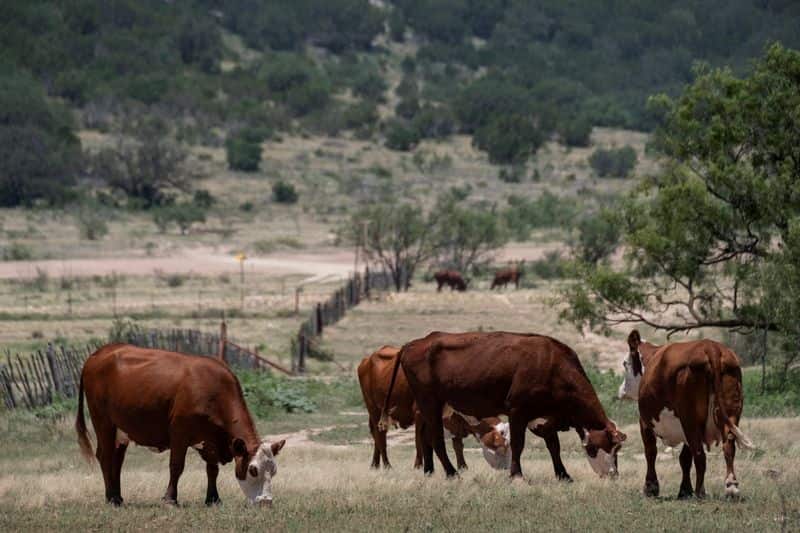
The U.S. Department of Agriculture announced it will allocate $25 million to establish a facility in Arizona dedicated to dispersing sterile flies. This initiative is part of a broader strategy to control the spread of the New World screwworm, a parasitic pest that affects livestock. The USDA's plan to lift a year-long ban on Mexican cattle imports, implemented to prevent the pest's entry into the U.S., is concurrent with this development. The ban had contributed to record-high U.S. beef prices, impacting consumers and creating pressure on the Trump administration. However, the decision to resume imports has raised concerns among some U.S. cattle producers regarding increased infestation risks. Arizona Governor Katie Hobbs has proposed Douglas, Arizona, as the location for the dispersal facility. The USDA intends to resume cattle imports through Douglas on August 24, with plans to open additional ports of entry in New Mexico later. The New World screwworm, which lays eggs in open wounds and whose larvae feed on living flesh, has recently been detected in Texas and New Mexico, moving north from Central America. The USDA is also constructing a $750 million plant in Texas to produce sterile flies, aiming to push the pest back to the Darien Gap between Panama and Colombia.