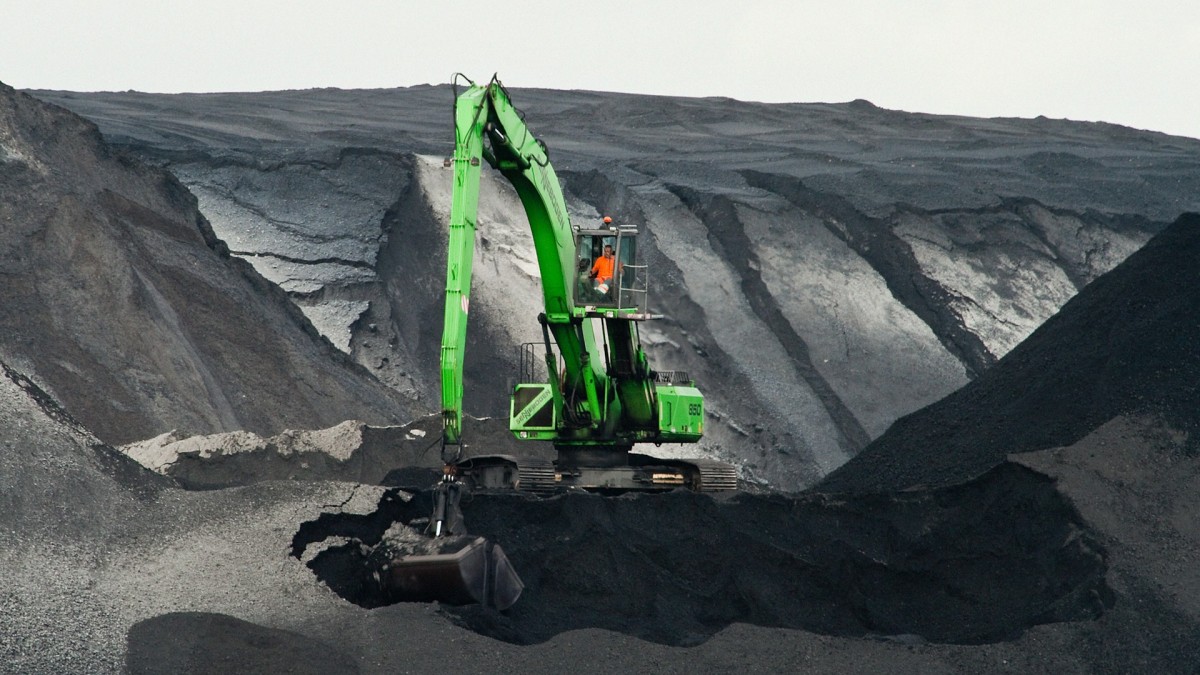
China's electricity generation mix saw coal fall below 50% for the first time in the first half of 2026, reaching 49.7% of total output. This milestone is attributed to policies aimed at increasing non-fossil fuel power sources. Renewable energy generation saw a 9% rise year-over-year, with wind and solar combined contributing nearly 25% of the total power.
Despite this shift, China continues to rely on coal for industrial power and grid reliability. The country's five-year energy plan emphasizes strengthening coal's role as a "bottom-line guarantee" for energy security, even as it aims for clean energy to constitute 30% of its power generation by 2030. Wind and solar are expected to become the primary sources, but coal will serve as a crucial backup to manage fluctuations in renewable output and ensure energy security, especially during periods of high demand or low renewable generation.
This transition underscores China's accelerating efforts in green and low-carbon energy development, balancing the expansion of renewables with the continued, albeit managed, use of coal.