Key facts
- Air conditioning is increasingly viewed as essential infrastructure due to intensifying heat waves.
- Refrigeration and air conditioning currently represent 7% of global greenhouse gas emissions.
- These emissions are projected to double by 2030 and triple by 2050.
- Passive cooling technologies can reduce air conditioning demand by up to 80% and lower ambient temperatures.
- Access to and the efficiency of air conditioning are significantly uneven across global populations.
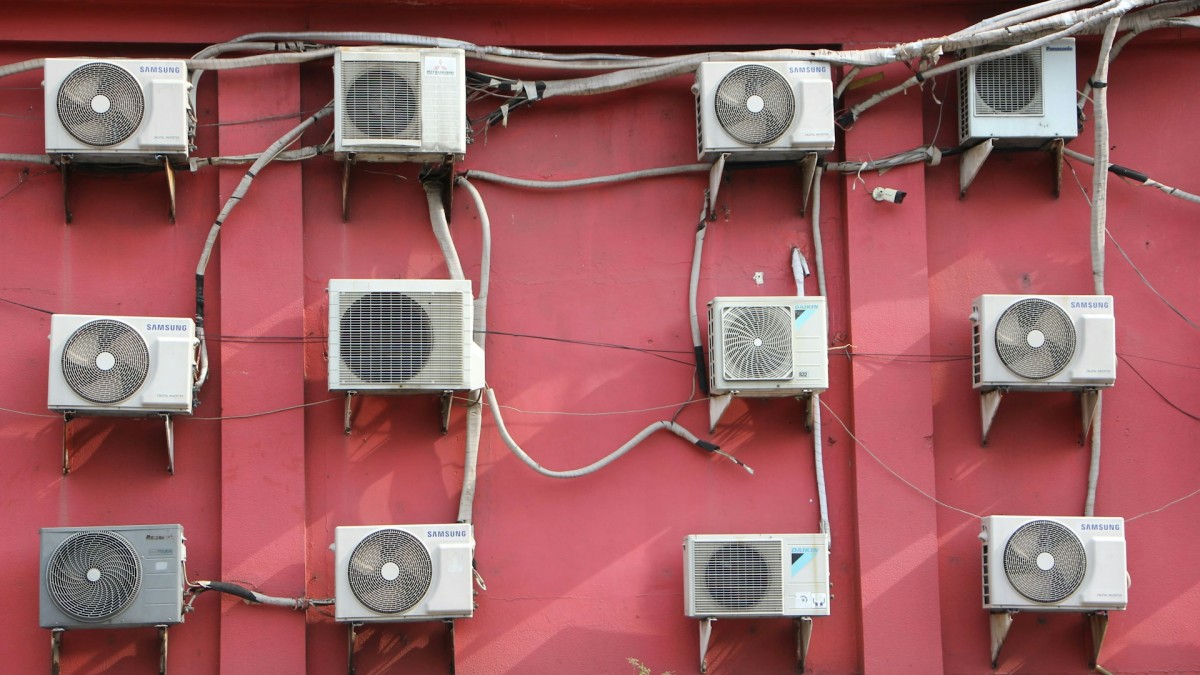
Rising global temperatures and intensifying heat waves are making air conditioning a critical, life-saving technology, yet its widespread use is also a significant contributor to global warming. Refrigeration and air conditioning currently account for 7% of global greenhouse gas emissions, a figure projected to double by 2030 and triple by 2050.
While air conditioning prevents an estimated 190,000 deaths annually from heat, its reliance creates immense pressure on electricity systems and exacerbates urban heat island effects. Access to and the efficiency of air conditioning are highly uneven, with the world's poorest countries, often in the hottest climates, facing the greatest constraints in adoption and the harshest consequences of rising temperatures. These populations often spend a disproportionately high percentage of their income on inefficient cooling units.
Experts emphasize that while air conditioning is essential, it should be a last resort. Passive cooling technologies, such as ventilative cooling and solar control, are highlighted as effective alternatives that can reduce demand for mechanical cooling by up to 80% and lower ambient temperatures. Policies promoting the development and deployment of these passive solutions are deemed crucial to mitigate climate change and ensure equitable access to cooling.