All NewsEducationTV
Equities & FundsCrypto & Digital AssetsAI & TechnologyBusiness & CorporateUS Politics & PolicyGeopolitics & Global RiskMacro, Rates & FXCommodities & EnergyEuropean Politics & MarketsAsia-PacificReal Estate & Property
Story archiveAll categories
← All Stories

Japan struggles to secure rare earths amid China pressure

Created at 14 Aug · 4:11 PM1 source↑ Market-relevant
IN SHORT

Japan faces increasing difficulty in sourcing rare earths for electric vehicles and chipmaking equipment due to China's export restrictions. Materials companies are depleting inventories, while Japan pursues domestic and international diversification efforts.

✉Newsletter

PiQ Daily

Pick your topics. Get only what matters, on your cadence.

Key Numbers

80%decline in dysprosium, yttrium imports
2 yearscomparison period for import decline
January 2026scheduled rare-earth test drilling
6,000 metersdepth of deep-sea rare-earth mud retrieval
350 tonsdaily processing capacity for large-scale drilling system
October 2025US-Japan critical materials agreement date
end of 2026expected operation start for Japan-France smelting plant

Who's Involved

Shoichi Ishii
Program Director of the Cabinet Office Strategic Innovation Promotion Program (SIP)
Sanae Takaichi
Prime Minister who signed agreement with the US
JOGMEC
Japan Organization for Metals and Energy Security, involved in Australian and Namibian projects
Sojitz
Partner in the JOGMEC project for Australian rare earths
Toyota Tsusho
Announced participation in a rare-earth mine survey in Namibia
Japan struggles to secure rare earths amid China pressure

↳ Why This Matters

Japan's struggle to secure rare earths highlights the global reliance on China for critical minerals and the geopolitical risks associated with concentrated supply chains, impacting key industries like electric vehicles and advanced technology manufacturing.

Key facts

  • Japan's imports of key rare earths like dysprosium and yttrium have dropped significantly.
  • Chinese export restrictions are squeezing supplies, forcing Japanese companies to use existing inventories.
  • Japan is initiating test drilling for rare earths off its easternmost island, Minamitorishima.
  • The country is pursuing international partnerships, including with the US, Australia, and France, to diversify supply chains.
  • A joint Japan-France smelting plant is set to begin operations by the end of 2026.

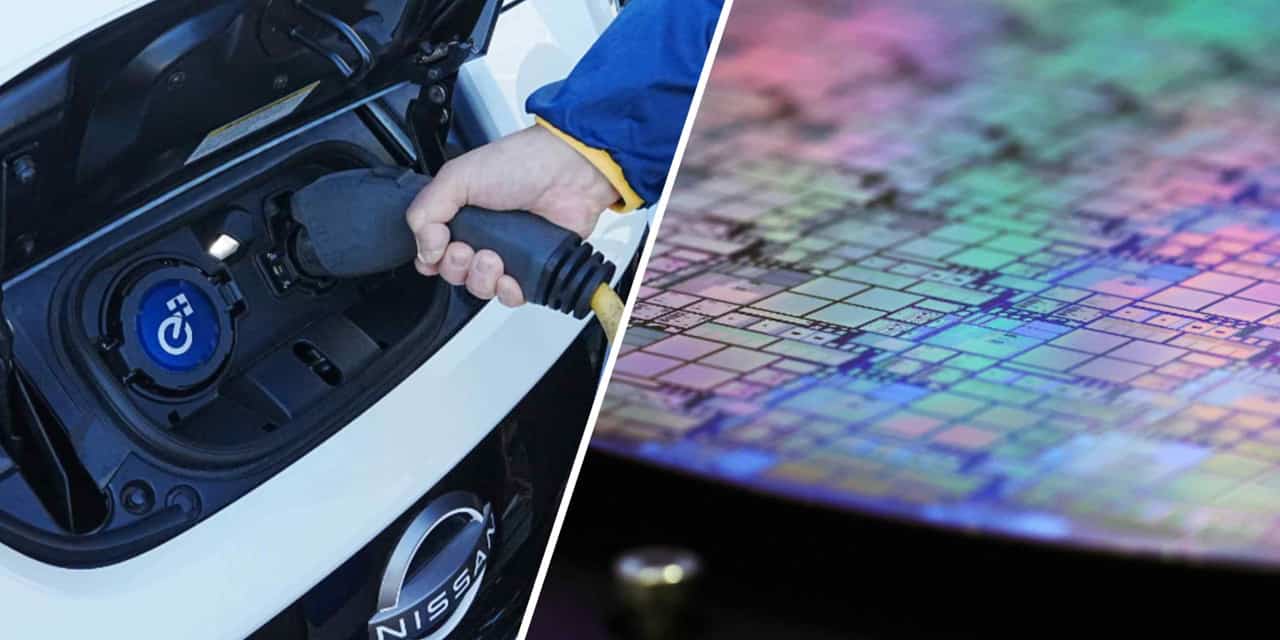
Japan is facing significant challenges in securing essential rare earth elements, crucial for electric vehicles and semiconductor manufacturing equipment, due to increasing pressure from China's trade restrictions. Imports of key materials like dysprosium and yttrium have plummeted by approximately 80% compared to two years ago, forcing Japanese materials companies to deplete their inventories to meet customer demand.

In response to these supply chain vulnerabilities, Japan is accelerating efforts to build an independent rare-earth supply chain. A key initiative involves test drilling for rare earths off Minamitorishima, Japan's easternmost island, scheduled to begin in January 2026. This project aims to retrieve rare-earth-rich mud from approximately 6,000 meters below the ocean surface, with researchers speculating that the seabed could hold enough heavy rare earths to supply global demand for centuries.

Beyond domestic exploration, Japan is actively pursuing international cooperation. In October 2025, Prime Minister Sanae Takaichi signed an agreement with the United States to collaborate on securing critical materials. Furthermore, Japan is diversifying procurement sources through projects such as one with Australia and Malaysia, where Australian-mined rare earths are separated and refined. A joint project with France is also underway to establish a smelting plant expected to commence operations by the end of 2026, which will secure a portion of Japan's heavy rare earth needs. Toyota Tsusho has also joined a JOGMEC project to survey a rare-earth mine in Namibia.

Frequently asked questions

Rare earths are a group of 17 essential elements used in advanced technologies such as electric vehicles, semiconductors, magnets, and defense systems. Their unique properties make them critical for modern manufacturing.

Japan's sourcing is challenged by China's dominant position in global rare-earth production and its use of export controls as a geopolitical tool, particularly following tensions with Western countries and remarks on Taiwan.

Japan is pursuing a multi-pronged strategy including domestic deep-sea test drilling, international partnerships with countries like the US, Australia, and France, and joint ventures for mining and refining.

This project represents a world-first attempt to retrieve rare-earth-rich mud from the seabed at extreme depths, aiming to establish a potential domestic supply source and reduce reliance on foreign nations.

What Happens Next

01Test drilling for rare earths off Minamitorishima is scheduled to commence in January 2026.
02The Japan-France joint smelting plant is expected to begin operating at the end of 2026.

Get the newsletter.

Pick the topics you actually care about. We'll email when there's news worth your time, on the cadence you choose. Cancel any time from your account.

Cadence
CME Headlines
  • Performance Bond Requirements: Agriculture — Effective August 14, 2026
    13 Aug · 10:15 PM
  • Live Cattle futures slid to lowest close since July 27.
    13 Aug · 9:32 PM
  • Live Cattle futures slid to lowest close since July 27.
    13 Aug · 9:32 PM

How It Developed

Japan's imports of dysprosium and yttrium have fallen by approximately 80% compared to two years ago.
Japanese materials companies are drawing down rare-earth inventories to maintain deliveries to customers.
China has tightened export controls on dual-use goods, including rare earths, impacting global supply chains.
Japan plans test drilling for rare earths off Minamitorishima island in January 2026.
Japan signed an agreement with the US in October 2025 to cooperate on securing supplies of rare earths and critical materials.
Exports of heavy rare earths to Japan began in October under a project involving JOGMEC, Sojitz, and an Australian partner, with minerals mined in Australia and refined in Malaysia.
A Japan-France joint project is building a smelting plant in France, expected to begin operating at the end of 2026, to secure heavy rare earths.
Toyota Tsusho announced it would join a JOGMEC project surveying a rare-earth mine in Namibia.

Sources

T1
Japan struggles to secure rare earths for EVs, chip tools under China pressureNikkei Asia
T2
Japan seeks G7 price floors to break China's rare earth gripasiatimes.com
T2
Japan Pushes to Secure Rare Earths Beyond Chinajapan-forward.com
T2
Breaking China's Grip on Rare Earths Requires Allied Resolvejapan-forward.com

Related Stories

Japan considers state reinsurance for tankers amid Middle East conflict
14 Aug · 5:06 PM
Iran War Fuels Surge in Chinese E-Truck Exports to Asia
13 Aug · 11:08 PM
Trump Administration Invests Billions in Critical Minerals for EVs
14 Aug · 2:11 AM
Hormuz Crisis Prompts Asian Refiners to Seek U.S. Crude
14 Aug · 1:16 PM
Russia Captures Record Share of India’s Oil Market
14 Aug · 7:16 AM