Key facts
- Japan is considering providing state reinsurance for oil tankers operating in dangerous areas.
- The initiative aims to secure crude oil supplies amid the Iran war.
- Japanese shipping companies have suspended operations through the Persian Gulf due to safety concerns.
- Alternative methods like ship-to-ship transfers are being employed to maintain crude imports.
- US President Donald Trump has urged allies to escort tankers through the Strait of Hormuz.
Japan is exploring the possibility of offering state-backed reinsurance for oil tankers to mitigate risks associated with traveling through conflict zones, particularly in the Middle East amid the ongoing Iran war. This measure is intended to ensure the continued flow of crude oil to Japan, which heavily relies on imports from the region.
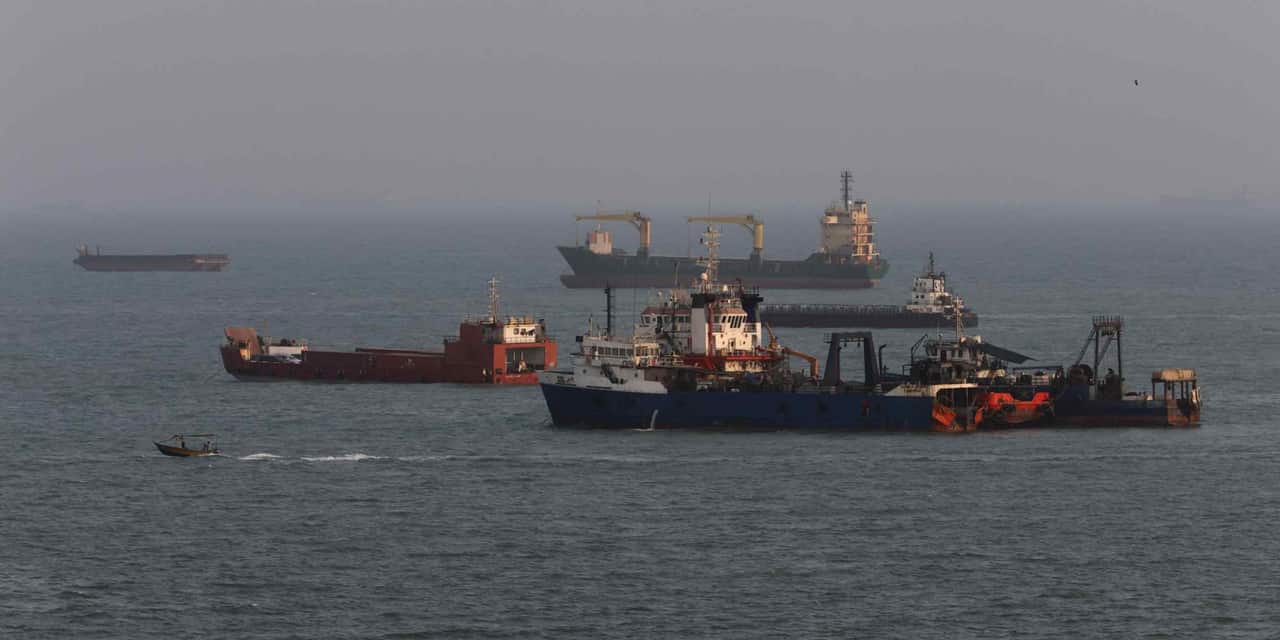
Japanese shipping companies have become increasingly cautious, suspending operations through the Persian Gulf and instructing vessels to remain in safer waters. This has led to the adoption of less common practices, such as ship-to-ship transfers far from conflict zones, to maintain supply chains. For instance, the Kisogawa VLCC received Murban oil off Malaysia's west coast, and another tanker, the Eneos Glory, conducted a similar transfer off India's coast.
The heightened tensions and Iran's control over the Strait of Hormuz have disrupted exports, while rising war-risk insurance premiums have further pressured shipowners. The situation has also brought Japan's pacifist stance under scrutiny, particularly following US President Donald Trump's call for allies to send warships to escort tankers through the Strait of Hormuz. Prime Minister Sanae Takaichi is examining legal options for the Maritime Self-Defense Force to potentially participate in such operations, though the constitutional framework presents challenges for direct confrontation with state actors like Iran.