Key facts
- Japan's naphtha imports from the Middle East decreased in May.
Japan's naphtha imports from the Middle East decreased in May, with the country sourcing more from the U.S., Europe, and other regions. This shift aims to mitigate risks associated with Middle East supply disruptions, particularly due to ongoing tensions.
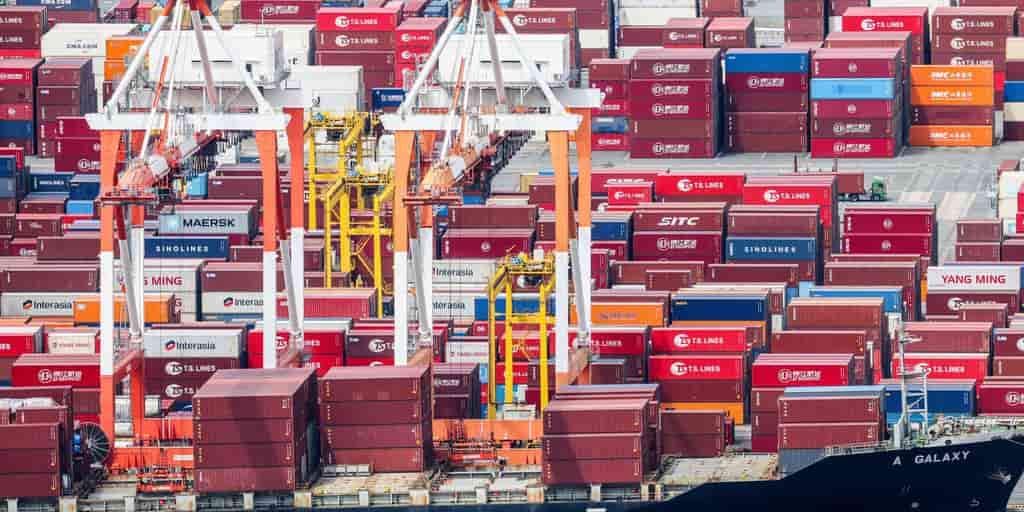
Japan's diversification of naphtha sources reduces its vulnerability to Middle East supply disruptions, ensuring stability for key industries reliant on petrochemical products and mitigating potential price hikes.
Japan's reliance on naphtha imports from the Middle East has narrowed in May, as the country has diversified its sourcing to include the U.S., Europe, and other regions. This strategic shift, detailed in government trade data, aims to mitigate the risks associated with potential supply disruptions stemming from ongoing Middle East tensions.
The year-on-year drop in Japan's naphtha imports eased in May, reflecting increased procurement from a wider array of suppliers. This move comes as Japan has historically shown a high dependence on Middle Eastern crude oil, reaching 95.9% in FY2024, with the UAE and Saudi Arabia being the primary sources. However, recent geopolitical events have underscored the vulnerability of this reliance.
Japan has secured sufficient naphtha supplies to last into 2027. Imports from countries outside the Middle East are projected to triple in May to 1.35 million kiloliters per month. Despite these assurances, concerns over potential naphtha shortages have prompted several Japanese petrochemical firms to announce production cuts, impacting sectors from food to technology. The government has also requested consumers to avoid hoarding naphtha-derived products.