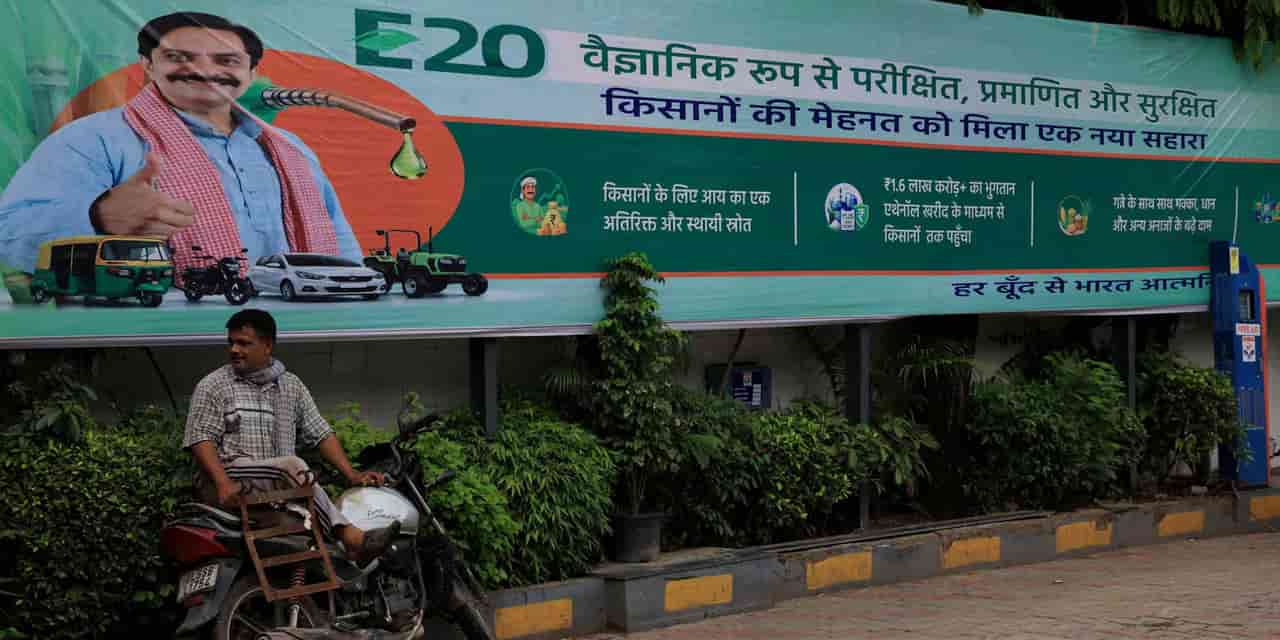
Key facts
- India has mandated E20 fuel, a blend of 20% ethanol and 80% petrol, across the country.
- The policy aims to reduce dependence on imported crude oil, cut emissions, and increase farmer earnings.
- Motorists report decreased fuel efficiency, with mileage dropping by over 10% in some cases.
- Concerns exist about the compatibility of E20 fuel with older vehicles, leading to reports of stalling and fuel system issues.
- The accelerated rollout of E20 has transformed an energy policy into a consumer controversy.
- Experts suggest a more gradual transition and improved fuel storage standards to ease adoption.
India's nationwide push towards E20 fuel, a blend containing 20% ethanol, has ignited a significant consumer controversy alongside its intended energy policy benefits. The government, led by Prime Minister Narendra Modi, accelerated its target for this higher ethanol blend from 2030 to 2025, making it the standard choice at petrol stations since April. This move aims to reduce the country's substantial dependence on imported crude oil, enhance energy security, lower greenhouse gas emissions, and boost earnings for domestic farmers through increased demand for crops like sugarcane and maize.
However, the rapid transition has been met with widespread concern from motorists, mechanics, scientists, and analysts. Many drivers have reported a noticeable decrease in fuel efficiency, with mileage dropping by over 10% in some instances. There are also significant anxieties regarding the compatibility of E20 fuel with older vehicles, which constitute a large portion of India's vehicle fleet. Reports have emerged of vehicles stalling, fuel filters being aggravated, and potential damage to fuel pumps.
One incident involving an Indian YouTuber alleging his Toyota Innova broke down due to E20 fuel, though denied by the automaker, amplified these concerns on social media, leading to a wave of similar claims. The government's attorney general's remark in court that the E20 blend was an 'experiment' further fueled public outrage, even though the government later claimed the statement was misunderstood. While the Minister of Road Transport and Highways, Nitin Gadkari, has acknowledged the drop in vehicle mileage, critics also point to potential conflicts of interest given family ties to ethanol production companies.
Experts suggest that India could facilitate a smoother transition by improving fuel storage standards at petrol stations, preserving consumer choice by offering alternative fuel options like E10 or pure petrol, and learning from countries that introduced higher ethanol blends gradually alongside compatible vehicles. The government's data indicates that the E20 policy is projected to save foreign exchange and significantly contribute to farmers' earnings.