Key facts
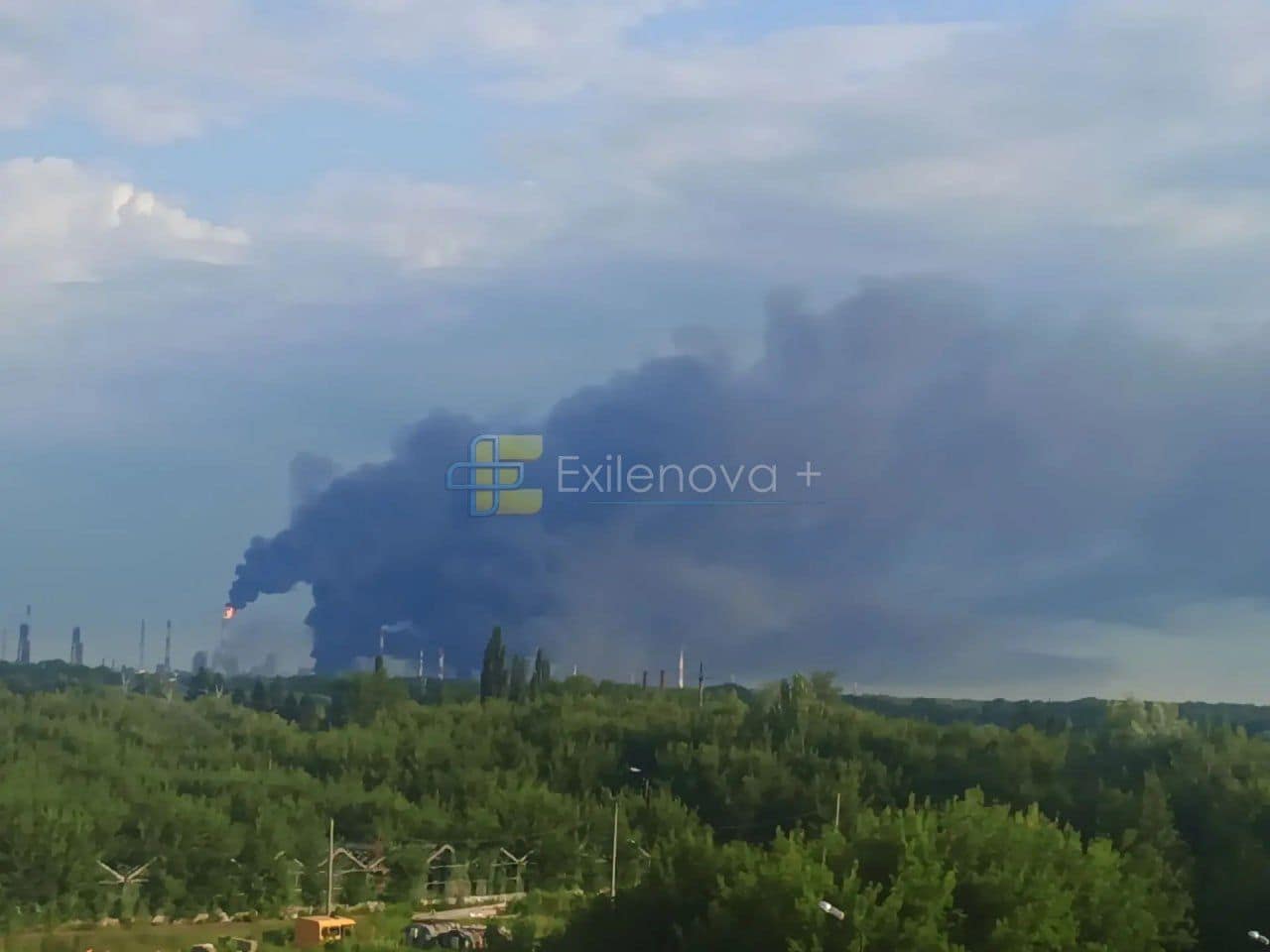
- Drones attacked the Gazprom Neftekhim Salavat oil refinery in Russia's Bashkortostan on July 14.
- Explosions were reported, and smoke was seen rising from the facility.
- The refinery is one of Russia's largest petrochemical complexes.
- This is at least the second drone attack on this specific refinery within a week, with previous strikes in September 2025.
- Ukraine has been intensifying attacks on Russian energy infrastructure.
Drones attacked the Gazprom Neftekhim Salavat oil refinery in Russia's Republic of Bashkortostan on July 14, with explosions reported and smoke seen rising from the facility. The refinery is located in the city of Salavat, approximately 1,400 kilometers from the front line in Ukraine.
Eyewitnesses reported hearing a series of explosions, while videos shared on social media showed dark plumes of smoke rising over the plant. The Kyiv Independent could not independently verify the footage.
Gazprom Neftekhim Salavat is one of Russia's largest petrochemical complexes. The facility processed 7.2 million metric tons of oil feedstock in 2024, accounting for 2.7% of Russia's total refining volume, according to the Moscow Times. The refinery was previously struck twice by Ukrainian drones in September 2025.
Ukrainian drones struck the Gazprom Neftekhim Salavat complex, located more than 1,000 kilometers from the Ukrainian border, for the second time in less than a week, regional authorities said. Bashkortostan regional head Radiy Khabirov confirmed the attack, stating that the extent of damage was still being assessed and that emergency services were working at the site. He did not report any casualties. According to Astra, residents of Salavat reported hearing several explosions before a thick column of smoke rose over the petrochemical facility. The previous attack took place on September 18, damaging the ELOU-AVT-4 unit, a key primary oil refining installation.
Ukraine has stepped up attacks on Russian energy infrastructure in recent months, hitting at least 10 refineries since early August and forcing Russia to slash refining capacity by nearly 20% at one point. The strikes have contributed to gasoline shortages across the country, which have driven wholesale prices to record highs. Russia’s pipeline monopoly Transneft has reportedly warned producers that output could be curbed further if drone attacks continue to damage key facilities.