Key facts
- Iraqi Prime Minister Ali al-Zaidi is seeking major U.S. investment in oil, gas, and power sectors.
- The visit aims to diversify Iraq's international partnerships and attract American firms.
- Negotiations include upstream projects with Chevron and support for U.S.-backed power and LNG ventures.
- Iraq has authorized General Electric to expand electricity generation and transmission infrastructure.
- The government is offering exemptions from certain regulatory requirements to U.S. energy companies.
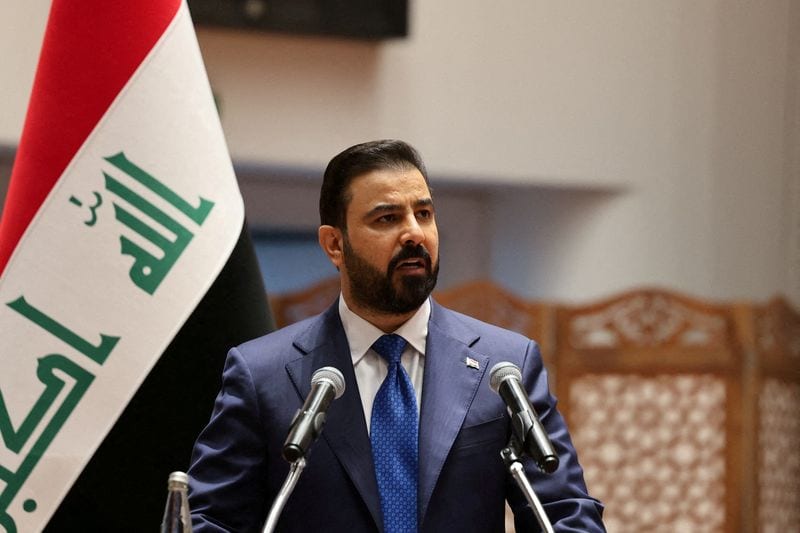
Iraq's Prime Minister Ali al-Zaidi is undertaking a significant visit to the United States, aiming to attract substantial investment from American companies into the nation's crucial oil, gas, and power sectors. This initiative comes in the wake of regional instability, including the Iran war, which has impacted Iraq's crude output and financial stability, prompting a strategic focus on diversifying international partnerships.
The Prime Minister's agenda includes negotiations with major U.S. firms like Chevron for upstream projects and securing support for U.S.-backed power and liquefied natural gas ventures. The government is also reviving plans for strategic export pipelines to Mediterranean markets and has authorized General Electric to finalize a comprehensive agreement to expand Iraq's electricity generation and transmission infrastructure. An agreement with U.S.-based HKN Energy to develop the Himreen oilfield is among recent cabinet-approved initiatives.
To facilitate these deals, the Iraqi cabinet has instructed the state-run Basra Oil Company to exempt U.S. energy companies in discussions from certain regulatory requirements. This deliberate policy shift is intended to signal to Washington that Iraq is becoming a more attractive destination for large-scale investment, addressing past perceptions of the country as a challenging environment for major energy players. Security around key oil installations has also been reinforced to reassure foreign operators.
Analysts note that while Iraq holds vast crude oil reserves, attracting the necessary investment to overcome infrastructure bottlenecks and expand production, while adhering to OPEC+ output limits, presents a significant challenge. The government's energy initiatives are seen as a signal to Washington of Iraq's commitment to strengthening economic ties with the U.S. and improving its investment climate.