Key facts
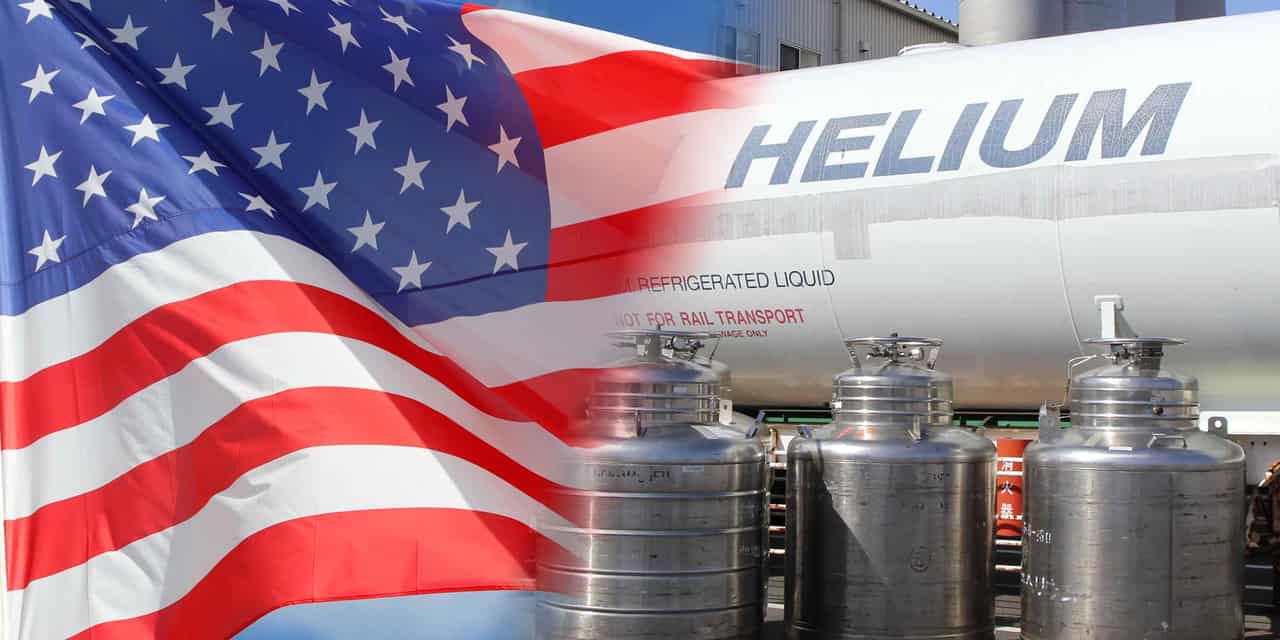
- The U.S. is now the leading helium supplier for Japan, South Korea, and Taiwan.
- Geopolitical events, including the Iran conflict and Chinese export restrictions, are impacting global helium availability.
- Helium is essential for semiconductor manufacturing, MRI machines, and aerospace applications.
- Attacks on Qatar's gas infrastructure have significantly reduced its helium output.
- Spot prices for helium have doubled due to supply chain disruptions.
The United States has become the primary source of helium for key Asian technology hubs, including Japan, South Korea, and Taiwan, as geopolitical instability and trade restrictions disrupt global supply chains. A Nikkei Asia analysis of customs data reveals this shift, driven by the ongoing conflict involving Iran and export curbs from China.
Helium, a critical component in semiconductor manufacturing, medical imaging (MRI machines), and aerospace, is primarily a byproduct of natural gas processing. Global supply is highly concentrated, with Qatar being the second-largest producer after the U.S. However, recent drone and missile strikes on Qatar's gas infrastructure led QatarEnergy to halt LNG production, impacting helium output. This event, coupled with logistical challenges around the Strait of Hormuz, has removed a significant portion of global helium production from the market, with some capacity potentially lost for an extended period.
Industrial gas suppliers are responding to the scarcity. Air Liquide has acknowledged the shortage and is reallocating helium volumes to prioritize strategic customers in healthcare and electronics. The market impact has been swift, with spot prices for helium doubling since the disruptions began, signaling significant stress on availability.