Key facts
- Russia, the world's second-largest diesel exporter, has temporarily banned diesel exports.
- The ban was implemented after Ukrainian drone attacks disrupted Russian refinery operations.
- This action has further tightened global diesel supplies.
- South Korean refiners, with significant export-oriented capacity, are positioned to benefit.
- Shares of major South Korean refiners like SK Innovation and S-Oil saw significant gains.
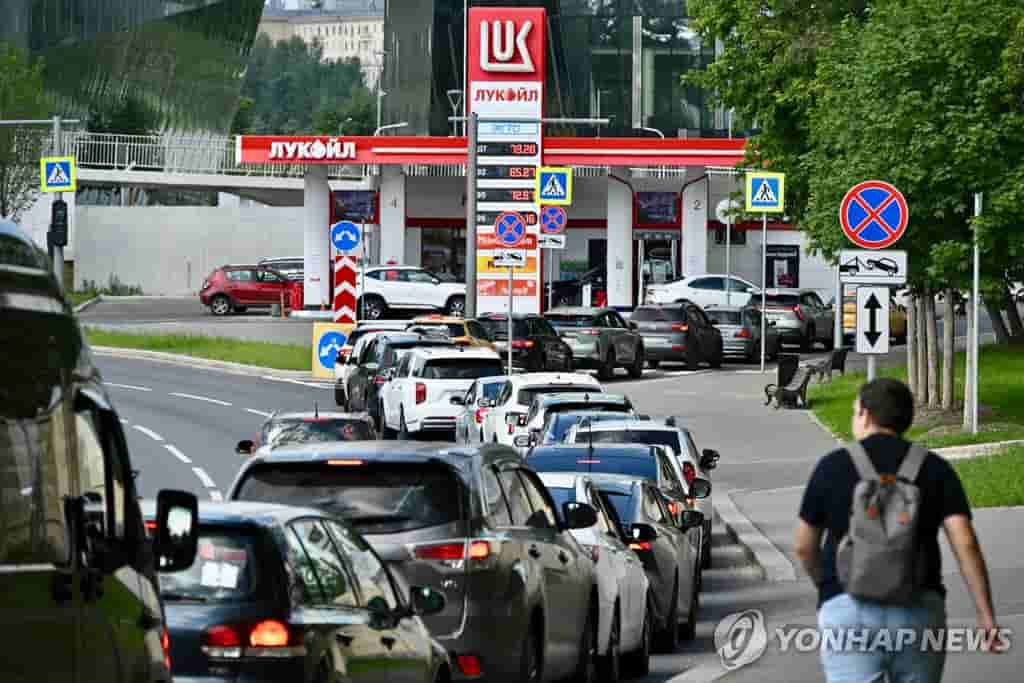
South Korean refiners are becoming increasingly significant players in the global diesel market following Russia's imposition of a temporary ban on diesel exports. The ban, enacted on July 8, was a response to disruptions at Russian refineries caused by repeated Ukrainian drone attacks, which also led to domestic fuel shortages.
This development has exacerbated already tight global diesel supplies. Refining capacity in the Middle East has not fully recovered, and concerns about potential disruptions to shipping routes like the Strait of Hormuz are resurfacing. The impact on prices was immediate, with U.S. diesel crack spreads widening significantly from just over $60 per barrel in late June to more than $80 per barrel on the day of Russia's announcement.
South Korea, the world's fifth-largest refining nation with a capacity of approximately 3.2 million barrels per day, is well-positioned to benefit. Its refiners operate sophisticated, export-oriented facilities capable of rapidly increasing diesel shipments to meet demand in Asia and other markets. During the first five months of the year, South Korean refiners exported 188.01 million barrels of petroleum products, with diesel constituting 40.6 percent of this total.
The positive outlook has been reflected in the stock market, with shares of SK Innovation Co., the country's largest refiner, rising 7.09 percent and S-Oil gaining 5.6 percent on Monday, significantly outperforming the broader KOSPI index. Analysts anticipate that the reduced refining capacity in Russia and the export ban will support refining margins for an extended period.